Last updated: August 16, 2026
Weeks 8–9 of Navy OCS are packed with inspections and assessments during the Officer Candidate phase — rifle drill, the khaki inspection, the Officer Personnel Inspection (OPI), watchstanding, and the mid-program PFA. Here is a firsthand look at each. (For some classes, these events fall in Weeks 7–8.)
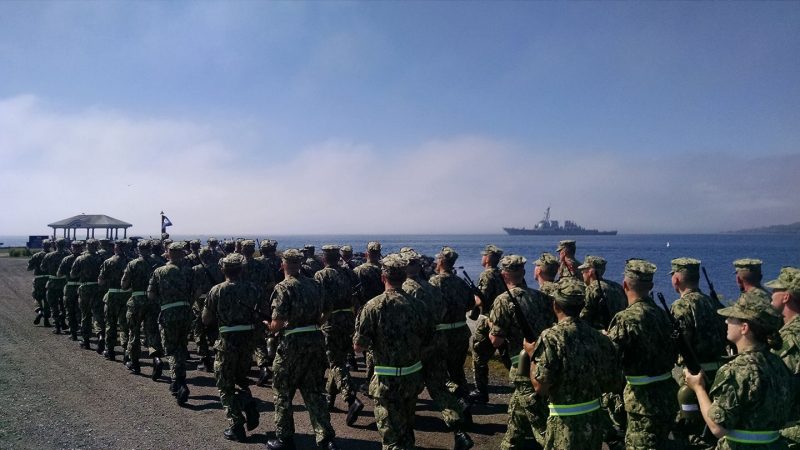
There were several exams and assessments during the final week of my Officer Candidate phase, and I also made some great new friends along the way. Drill, in short, means practicing various “actions” with the rifle many times a day. We were not as polished as the people you see on YouTube, but we learned.
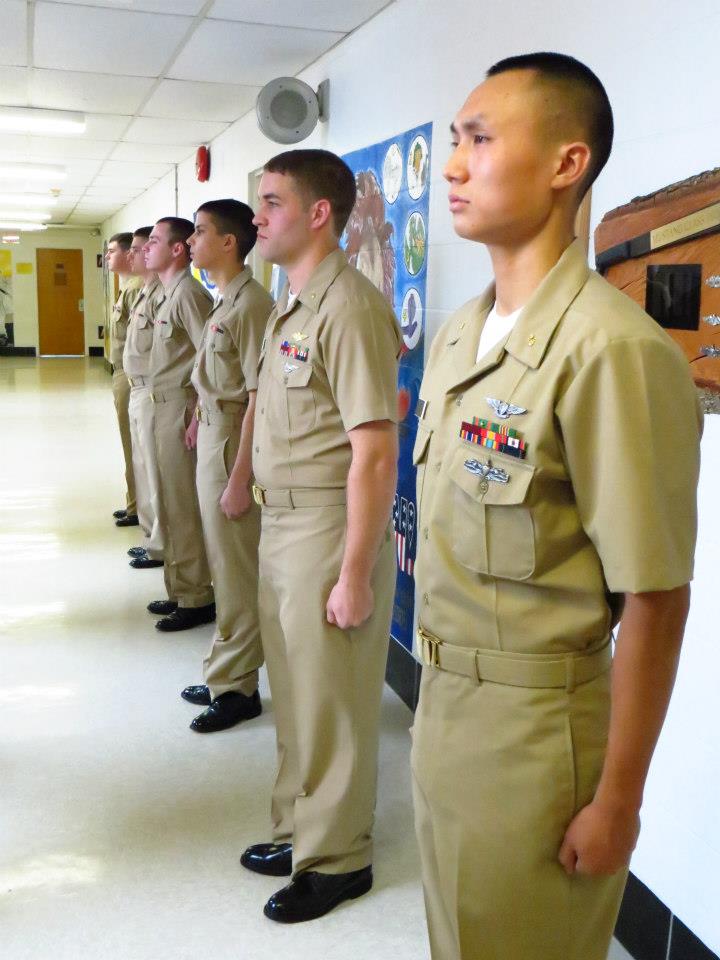
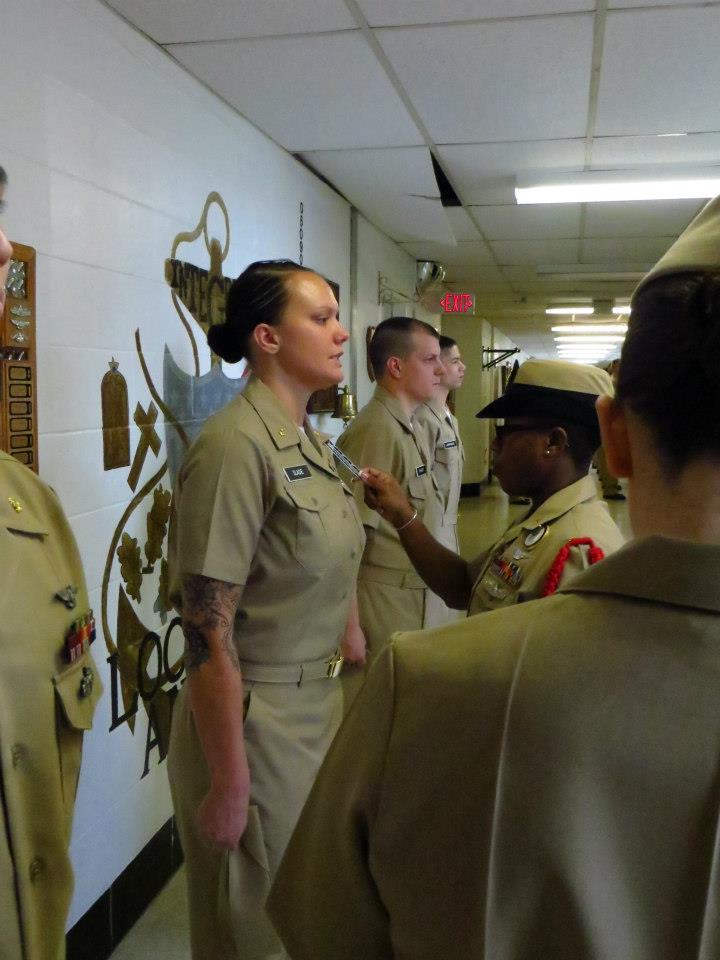
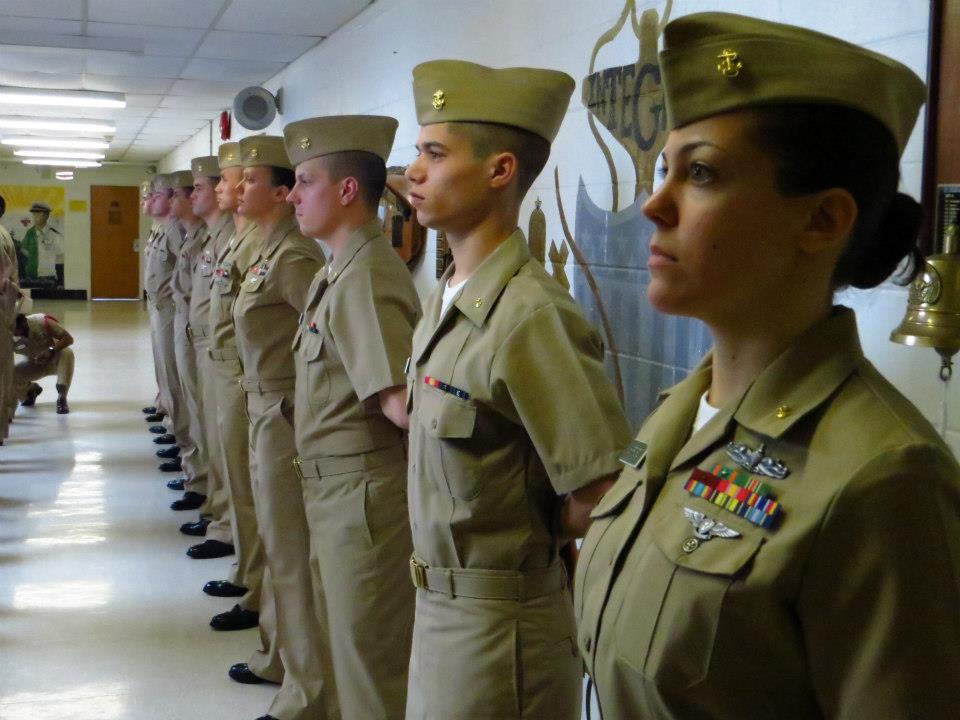
Khaki inspection
One of the uniform inspections we had to pass was the khaki inspection. It is quick and easy, but remember that we were at OCS — not at home — so even a minor crease or stain could earn a failing grade. Honestly, this is one event that no one failed.
(Picture gallery below — click an image to view more.)
Officer Personnel Inspection (OPI)
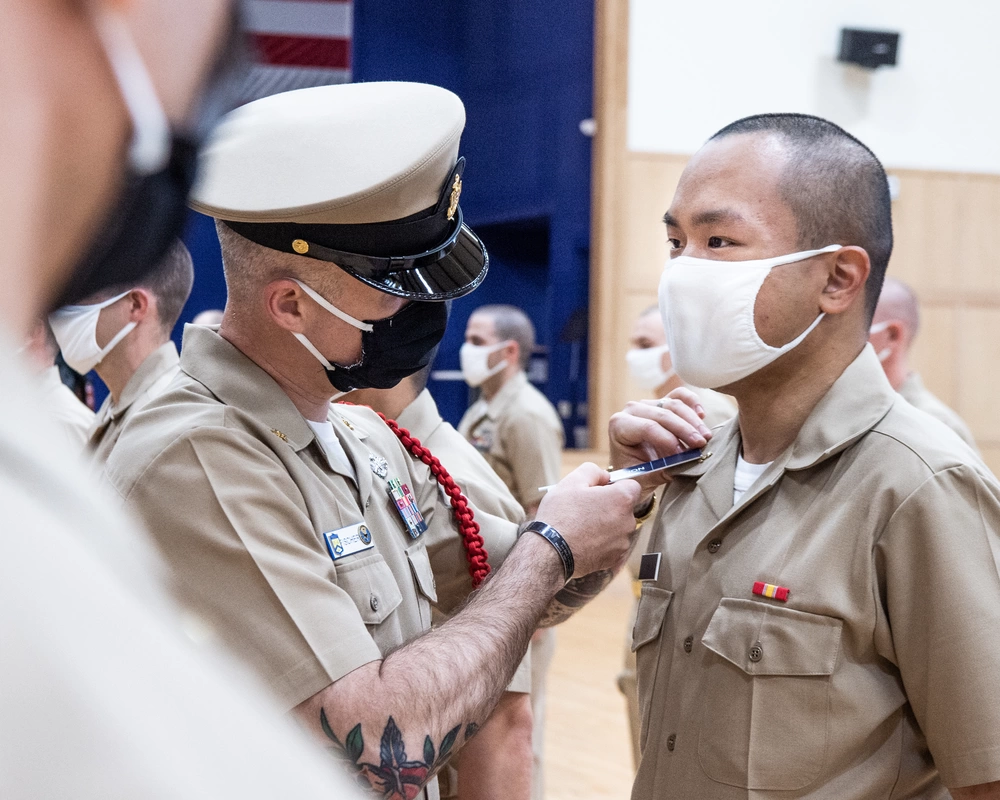
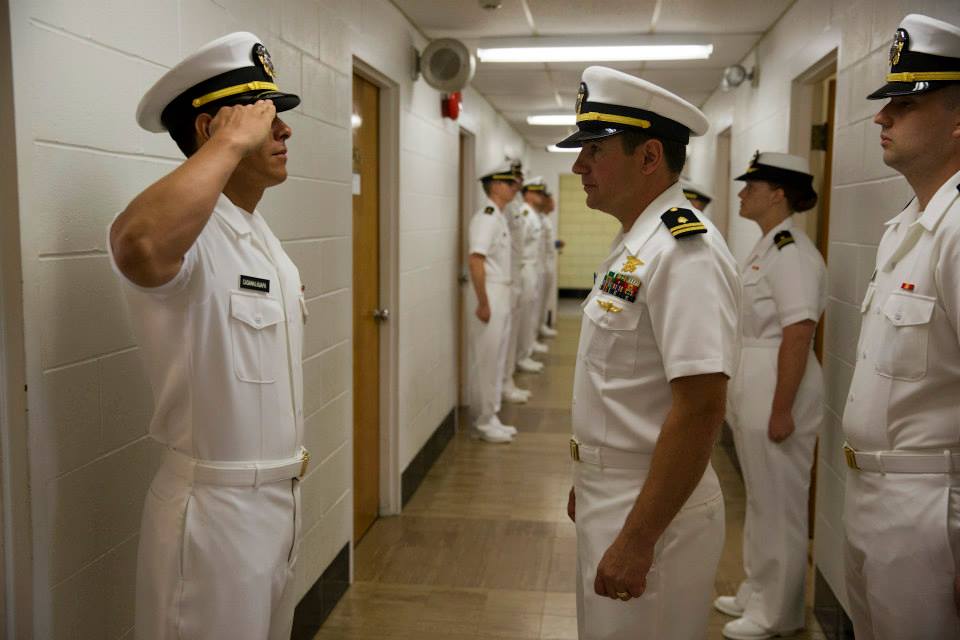
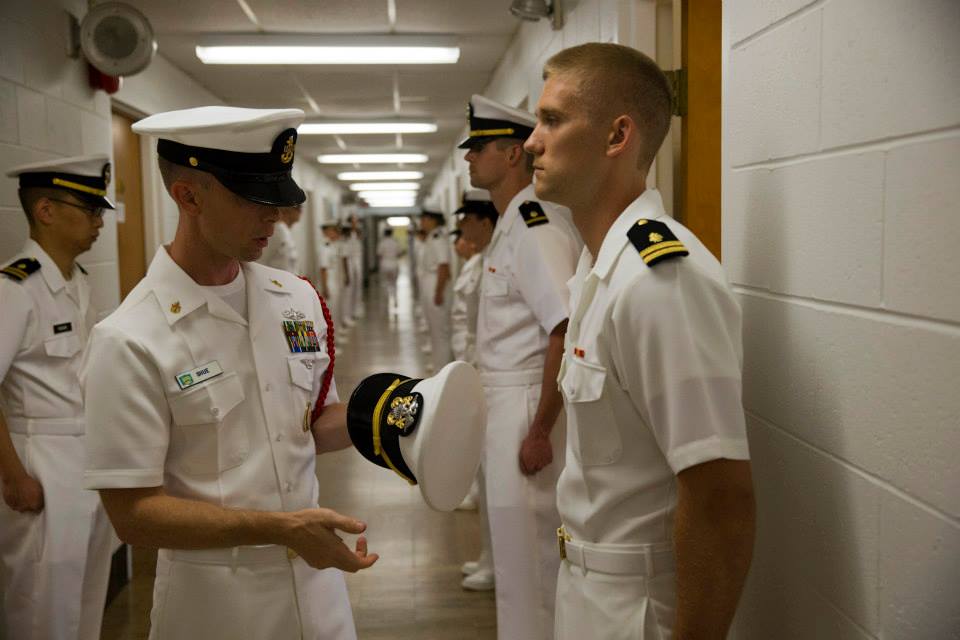
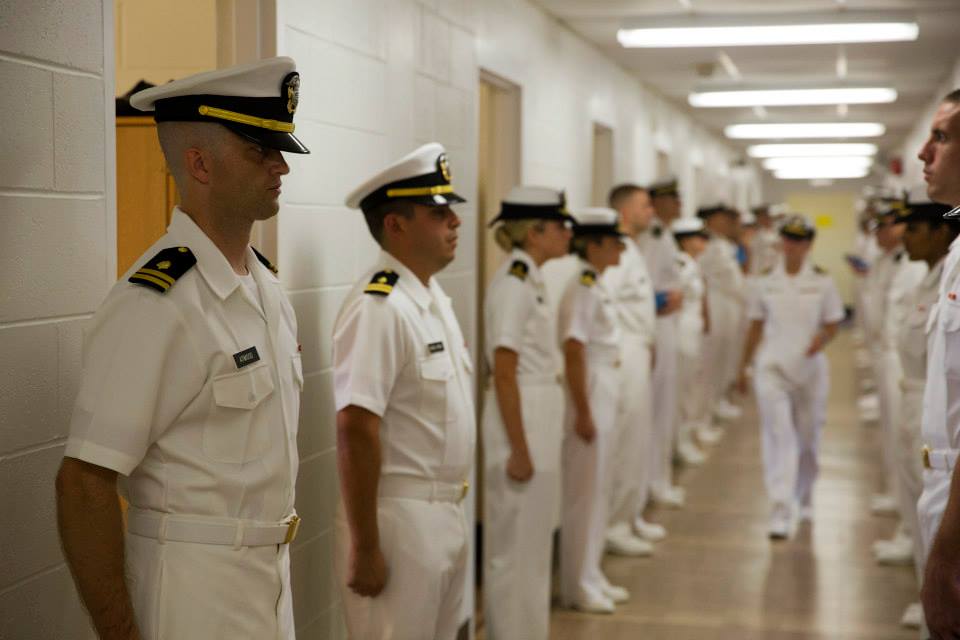
This is the same as RLP — also known as ORLP (Officer Room, Locker, Personnel inspection) — except there was no physical exercise during the examination. Our general knowledge, which we had been studying up to this point, was evaluated by oral tests during the inspection. The OPI tests your knowledge on any subject fair game for inspection and evaluates your confidence and competence while wearing the appropriate seasonal uniform. In short: attention to detail.
The interesting part is that I was graded by my shipmates — so, as I mentioned, making friends and acquaintances really helped. Anyone who failed could try again the following day, so almost no one failed.
(Picture gallery below — click an image to view more.)
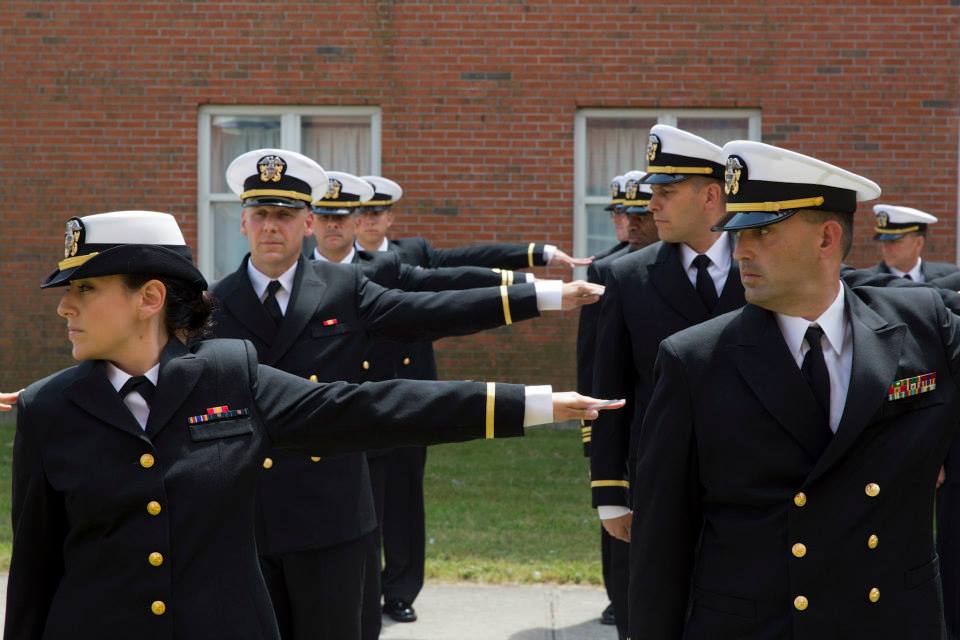
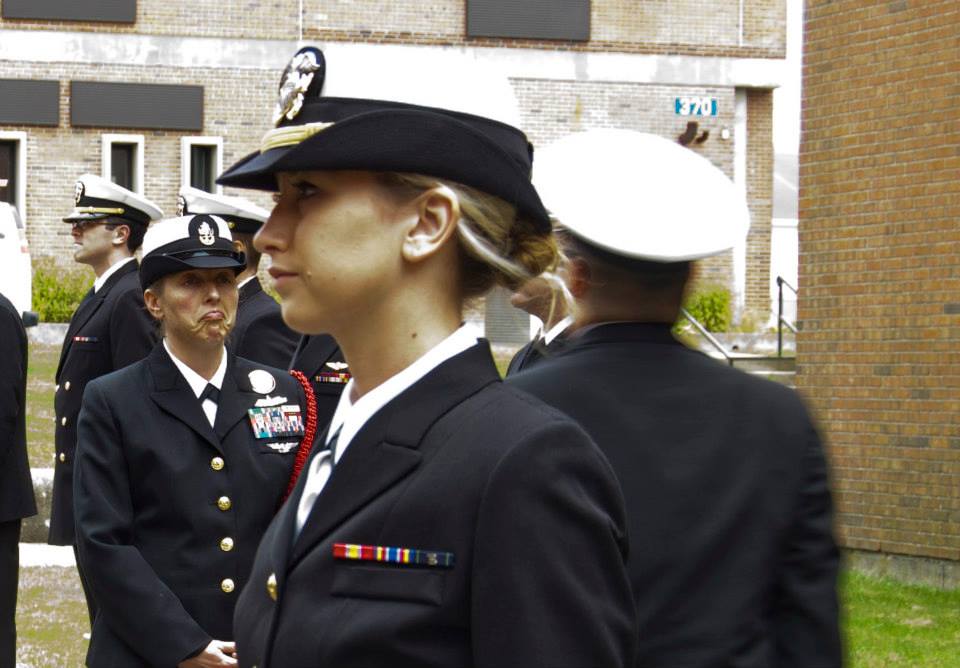
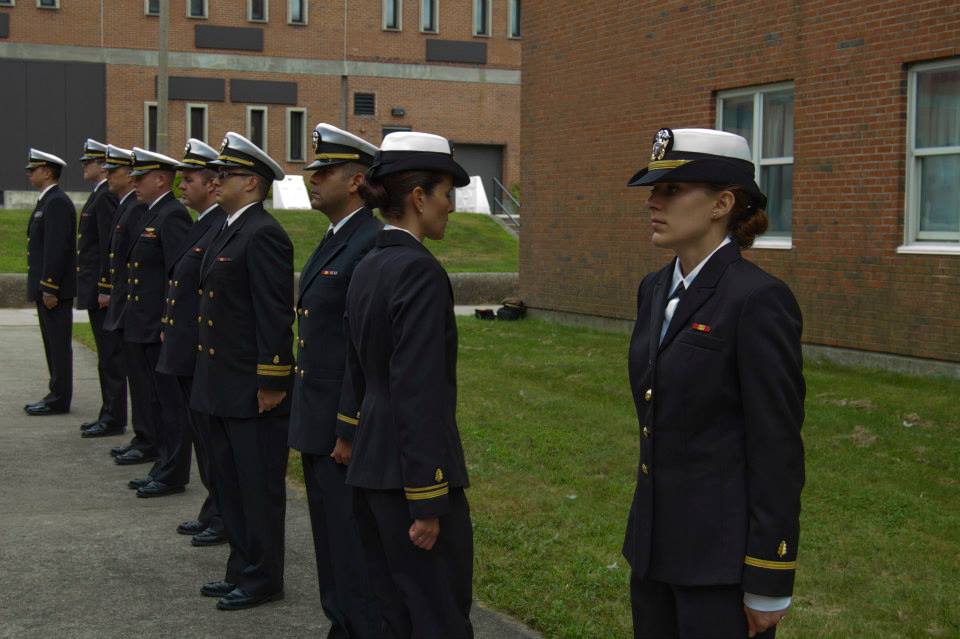
Service Dress Blue inspection
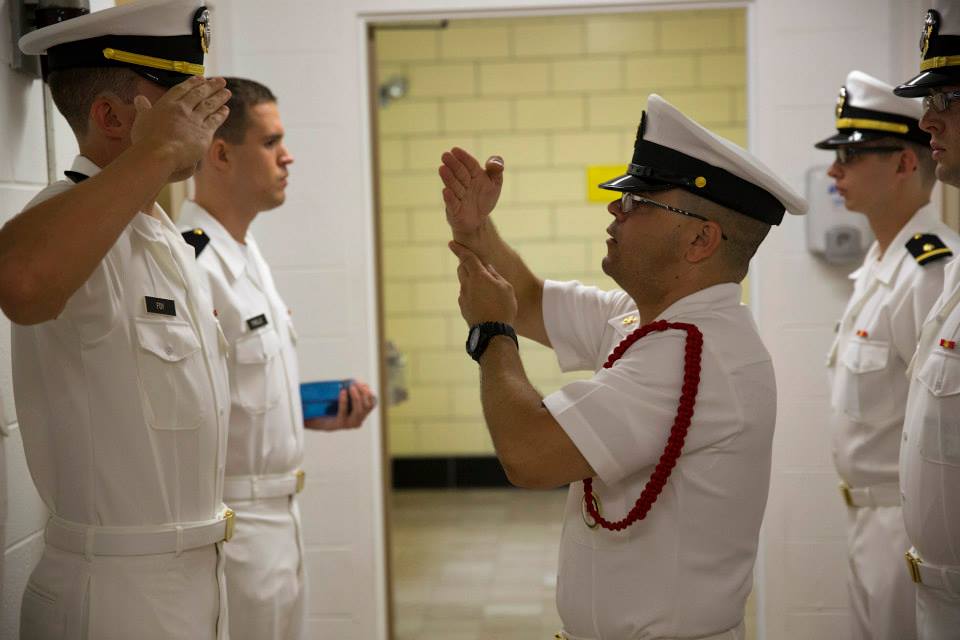
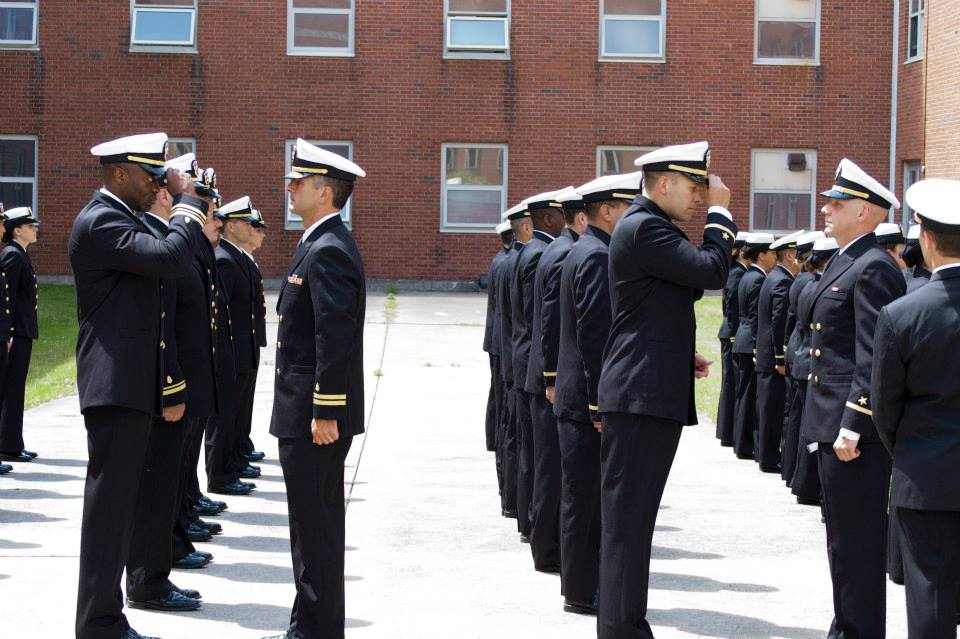
This is another uniform inspection, and it is optional — not for every class, but mostly for DCO (Direct Commission Officer) or NSI (New Student Indoctrination). Let me pause to explain: OCS is the program we were going through; DCO is a short, roughly two-week program for people who are already commissioned or enlisted; and NSI is for those who want to become officers while still in school.
(Picture gallery below — click an image to view more.)
Watchstanding (watchkeeping)
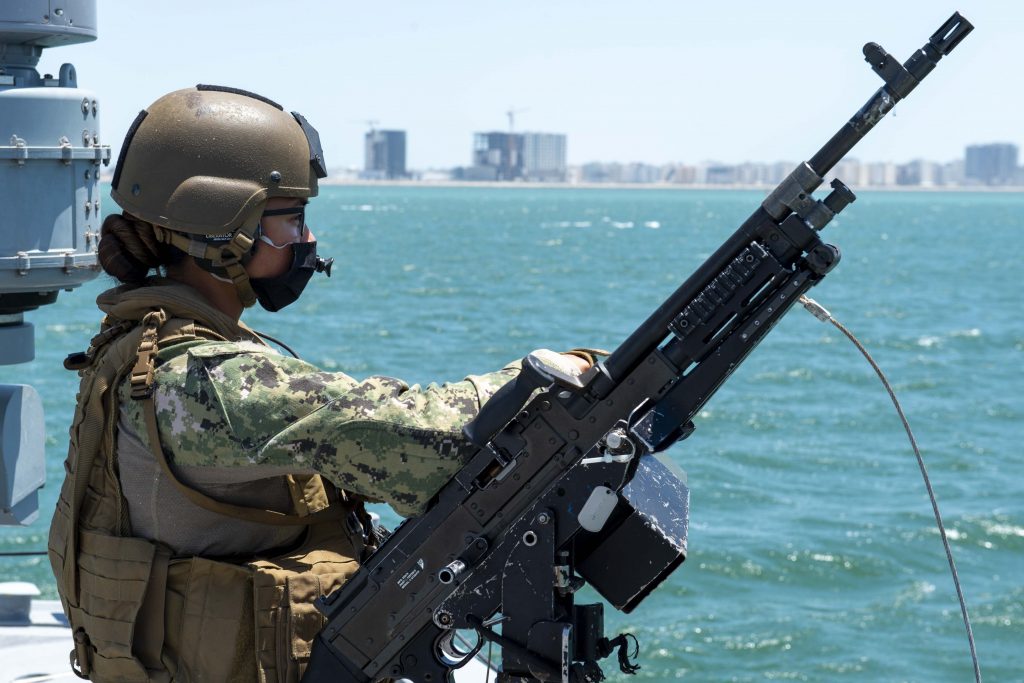
No kidding — one of our duties was to stand watch at various positions needed to keep the base running around the clock, just like we would aboard a ship. In my case, a few of us took turns standing guard at the entryways and inside the building.
Mid-PFA (Physical Fitness Assessment)
This is like the previous PRTs, but closer to the Navy’s recommended annual standard. For the mid-PFA (there are four during OCS), we needed a score of “Good Low.” Because of a childhood ankle injury, I never developed a love of running — my feet would ache after a while. I ran with that in mind, and I will be honest: I was aiming for a “passing” rating, nothing more. I did a lot of push-ups in college, so those were no sweat. Ab crunches were the hard part, so I always put in extra time. At first the soreness was so bad I could barely eat or sleep for a few days, but once my abs adjusted, I had no trouble at all.
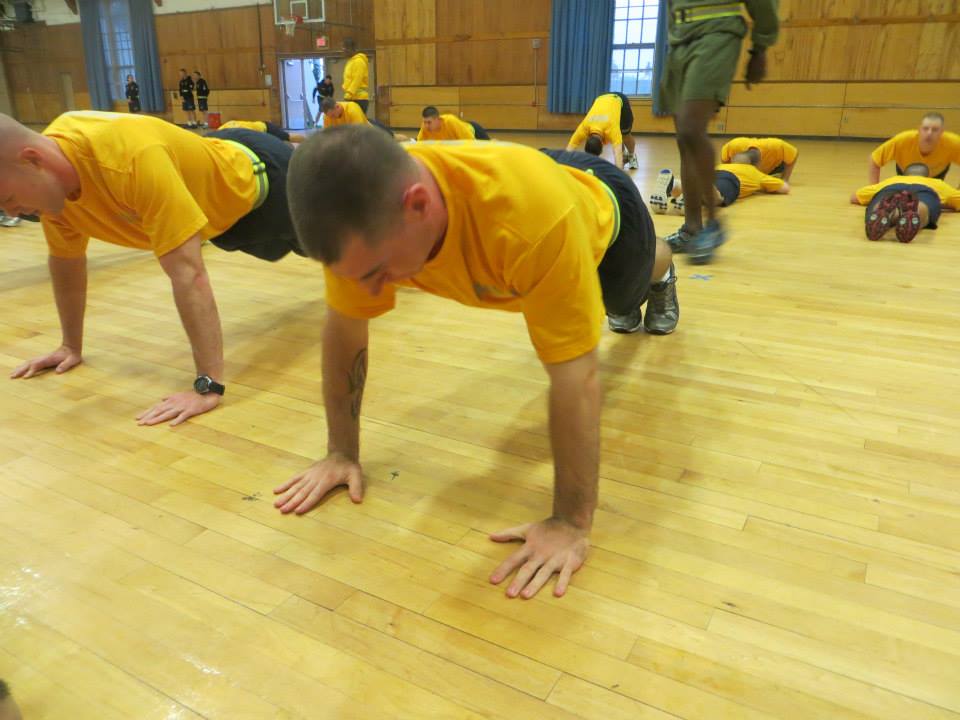
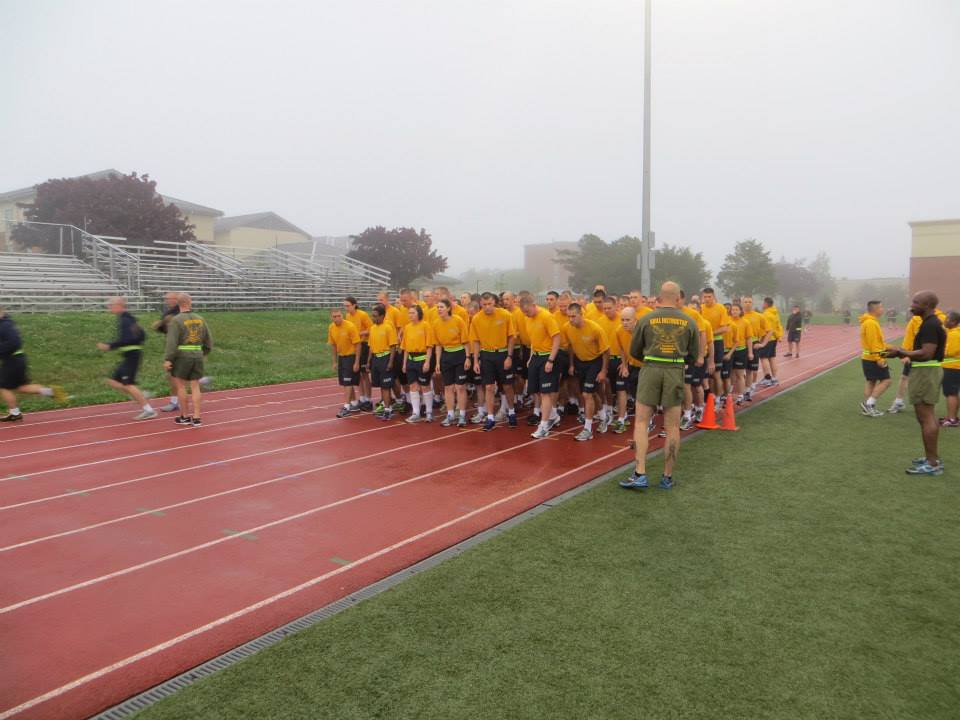
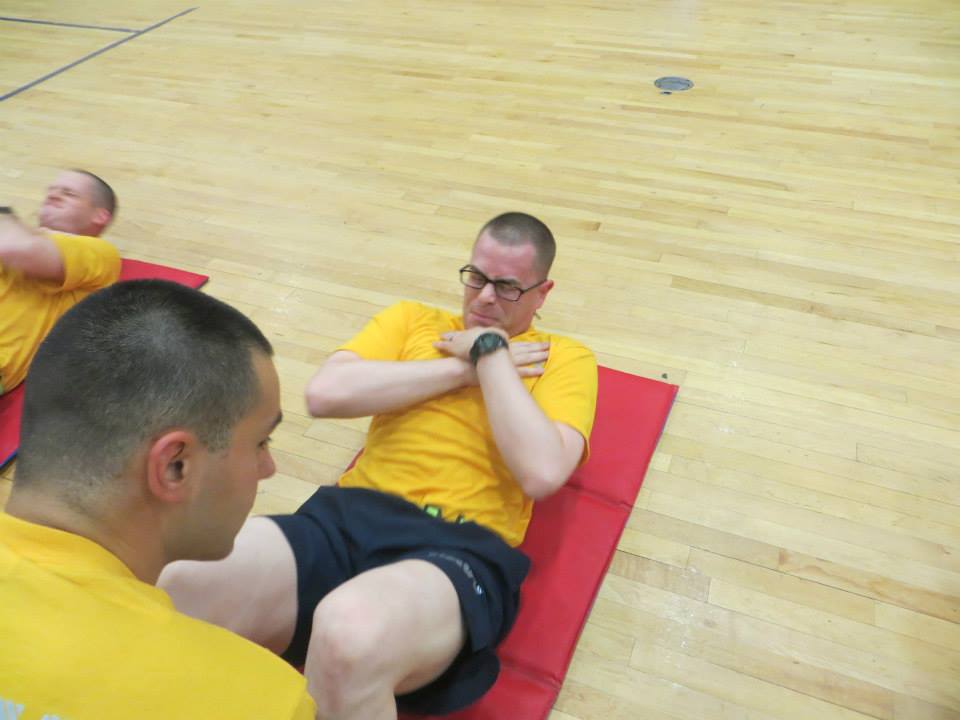
And that marks the end of my Officer Candidate phase, moving on to Candidate Officer (CandiO) training.
New here? I suggest starting with Part 1 of my Navy OCS series. Note: I went through OCS back in the 2010s, so some details may have changed since then — this is shared for educational purposes only. Photo credit: the Navy OCS page. (Candidates cannot use phones or electronic devices during OCS, so there is no way for a candidate to take photos there.)
This post is part of my full Navy OCS Journey series — follow it week by week from the start.
Navy OCS, week by week — Previous: Week 7: Officer Candidate · the whole series · Next: Weeks 10-12: Candidate Officer