Last updated: August 15, 2026
Weeks 5–6 of Navy OCS are heavy on memorization and academics. Now that RLP is behind us, you commit the 11 general orders, the code of conduct, the chain of command, ranks and insignia, the sailor’s creeds, and the Navy and Marine Corps songs to memory — while drill ramps up toward the Week 7 competition. Here is a rundown of the classes and events from this phase.
So RLP has concluded, but the story continues. To become a candidate officer, we still have a great deal to study and prove. Right now I need to commit all of these things to memory and respond without hesitation: the 11 general orders, the 6 articles of the code of conduct, the chain of command, ranks and insignia, the sailor’s creeds, and the service songs of the Navy and Marine Corps. We are expected to shout the answers at all times. Below, I will sum up and highlight the activities and events from this phase.
Everyone’s program and experience will vary. As for the timetable, OCS may make changes based on factors such as the H-class, the number of applicants, and the weather, so my weekday routine may differ from the norm.
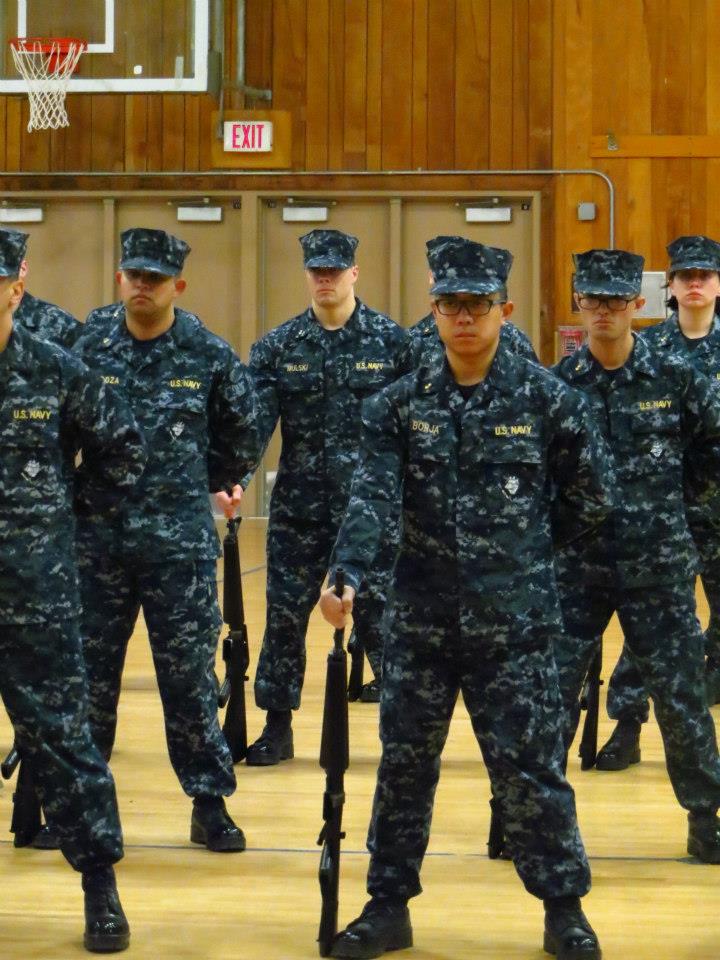
During this period you will still focus mostly on your studies, but as the Drill Competition in Week 7 approaches, drill takes on greater significance — it basically becomes your lifeblood. As a result, your Drill Instructor eases up: at this stage the goal is no longer “weeding” but teaching. Academics were not heavy at first, so I spent most of my time drilling with others, since that was where I felt least confident.
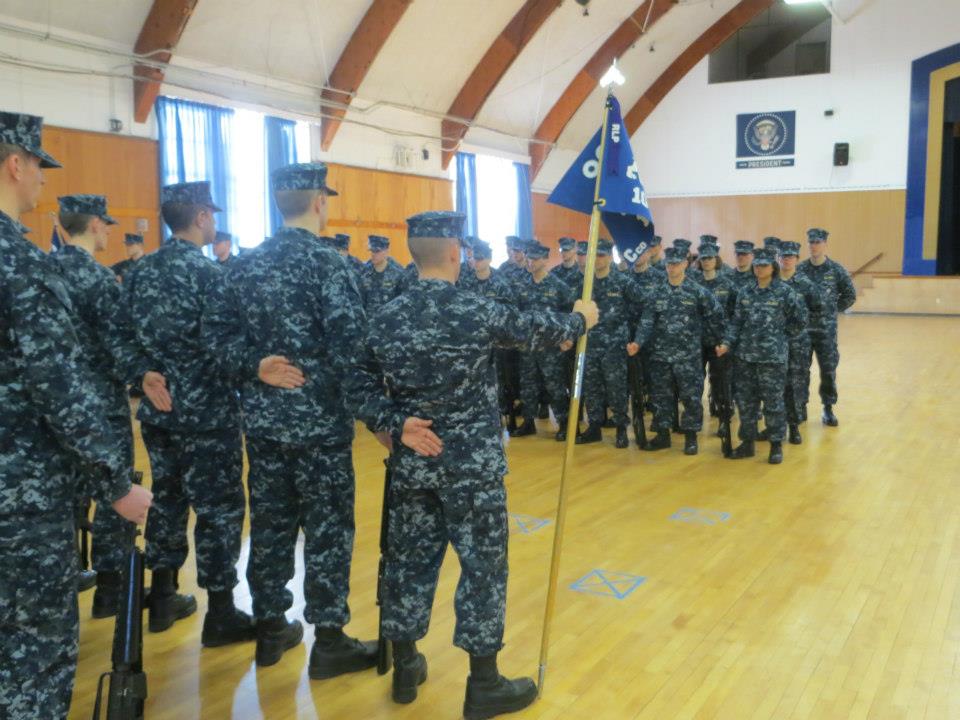
Seapower class
If you hated history in college, you will not be fond of this class. It is interesting, though — in the end I was tested on the timeline and a lot of figures. Now that it is all over, I sometimes revisit the knowledge from the book and this class, and I find it fascinating. Let me try to sum up the class in a paragraph.
Seapower is how a nation’s military power can be applied at sea. In terms of a country’s ability to use the seas to beat rivals and competitors, it includes combat ships and weapons, support ships, commercial shipping, bases, and trained people. Even when they operate from a land base, aircraft that control seaborne transportation are part of sea power. Aircraft operating from carriers are an extension of sea power, even when they strike targets far inland. It has been that way since the First World War, and it will not change.
Naval Engineering and Weapons class
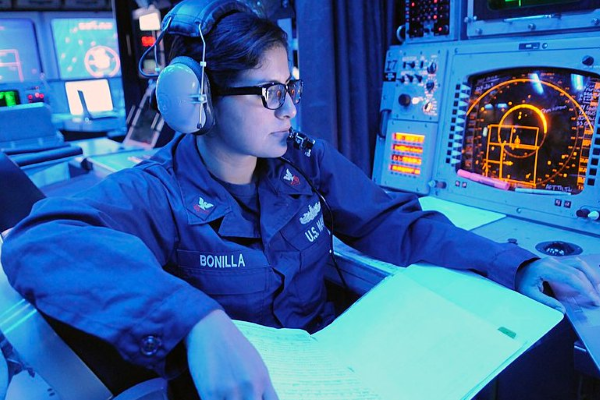
I can tell you right off the bat that if you have an engineering background like mine, you are going to enjoy this course. You will be exposed to the full range of naval systems and weaponry — communications, radar, electro-magnetics and optics, sonar, and all of the ballistic and destruction systems, both on the surface and underwater.
Firearms and Safety class
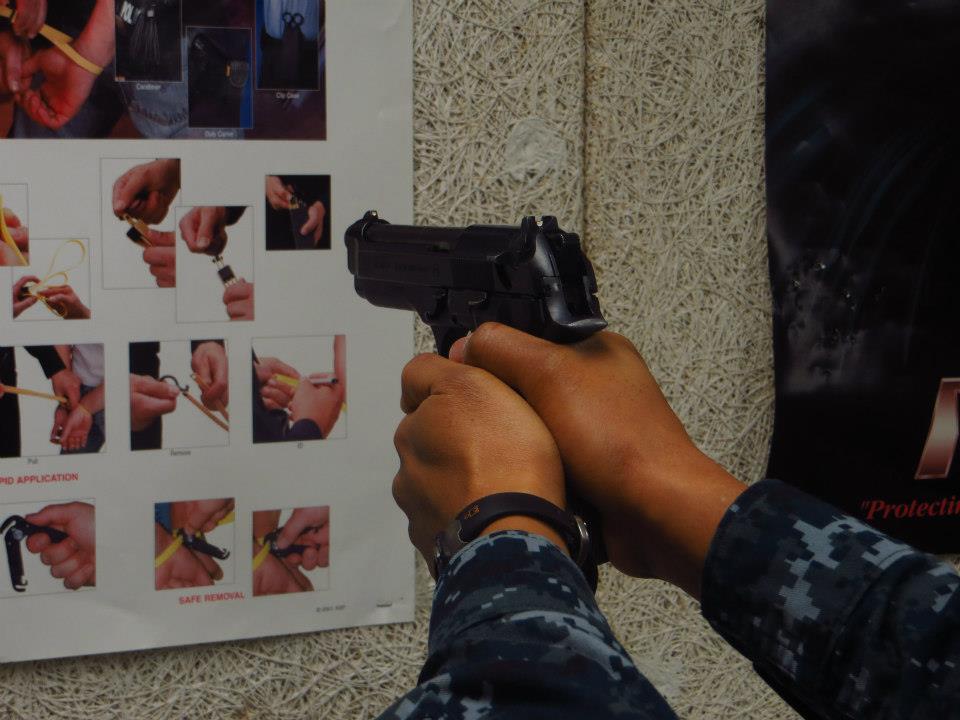
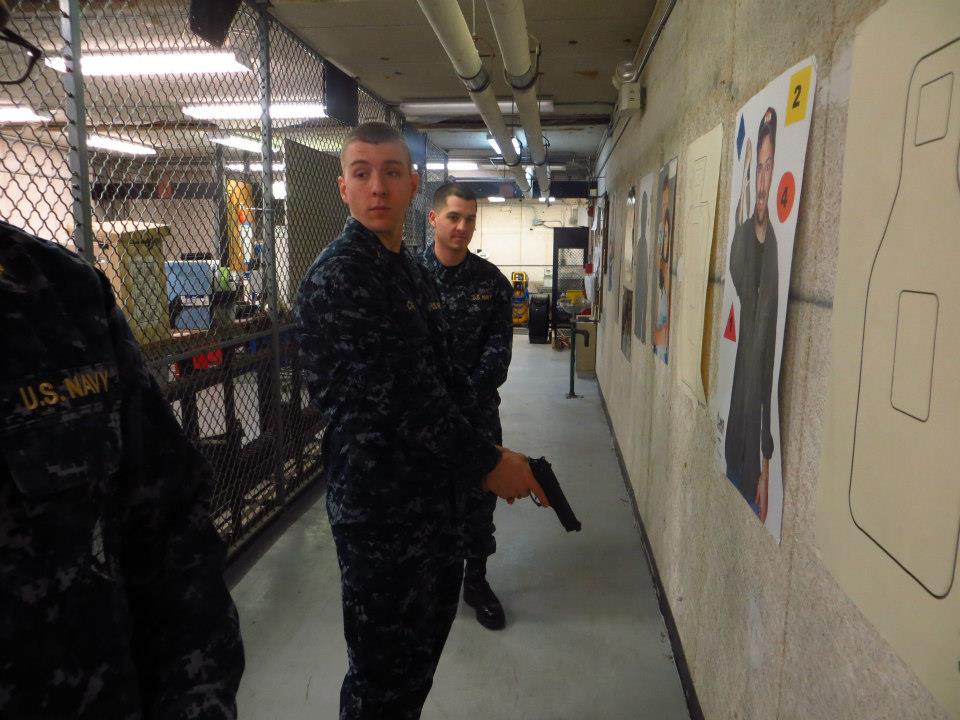
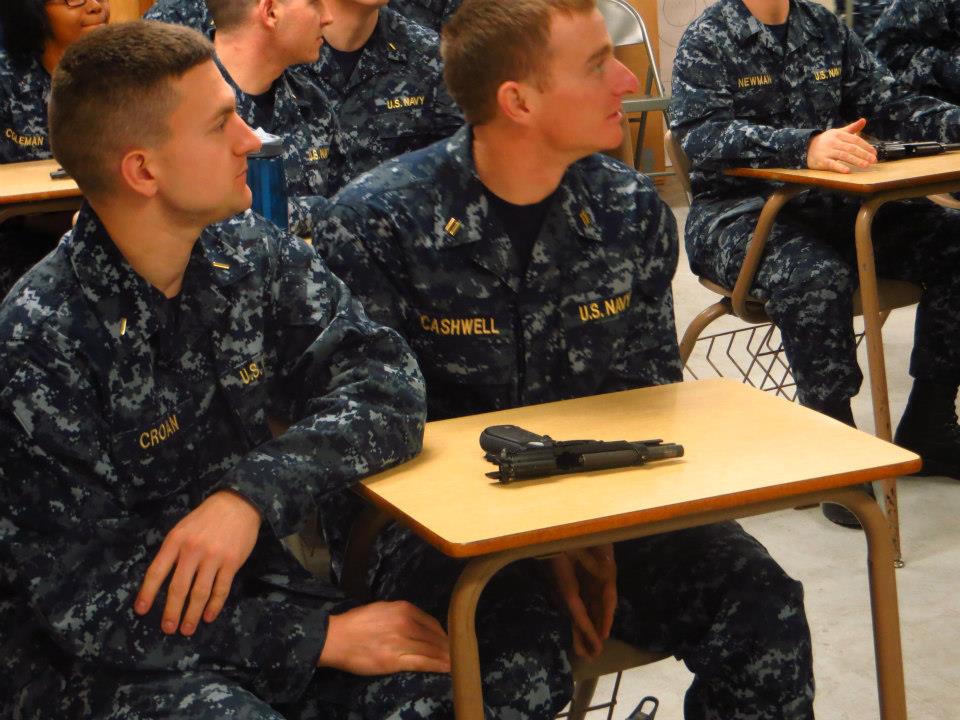
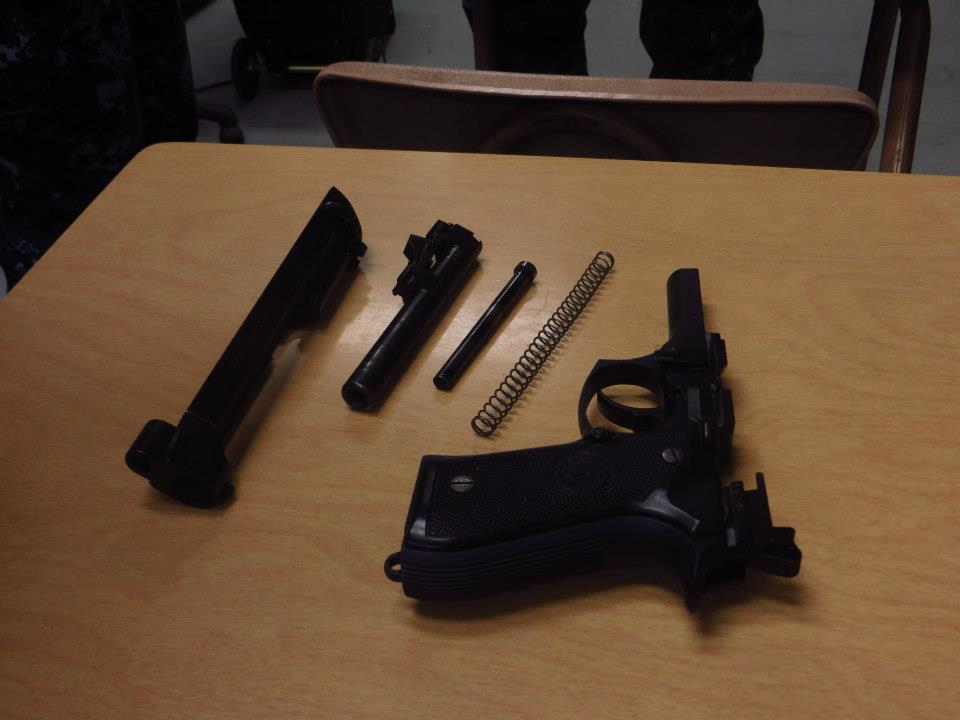
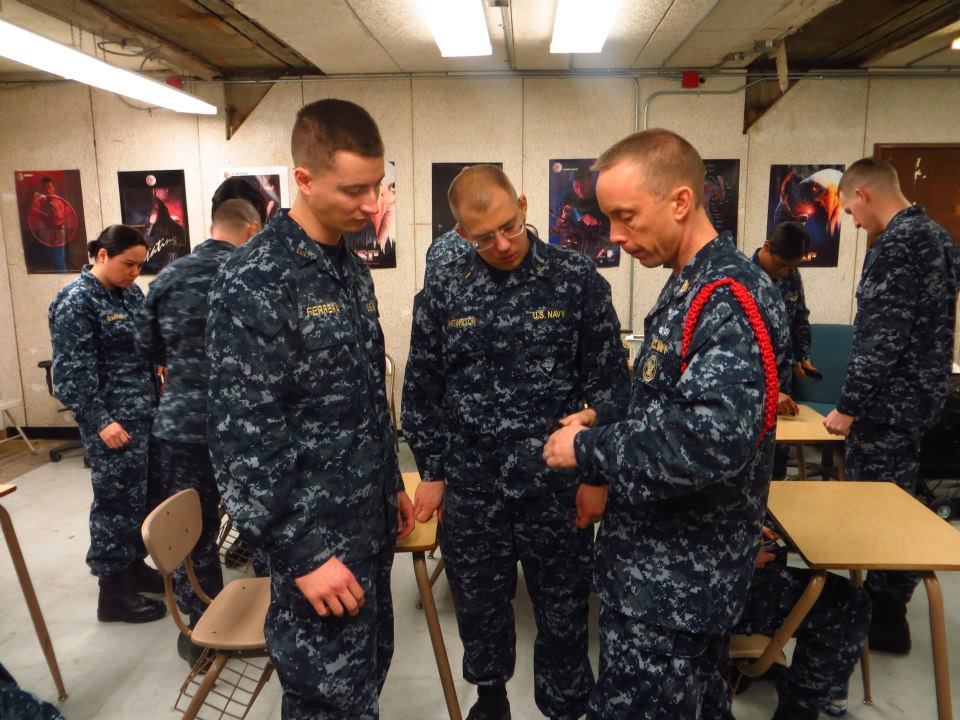
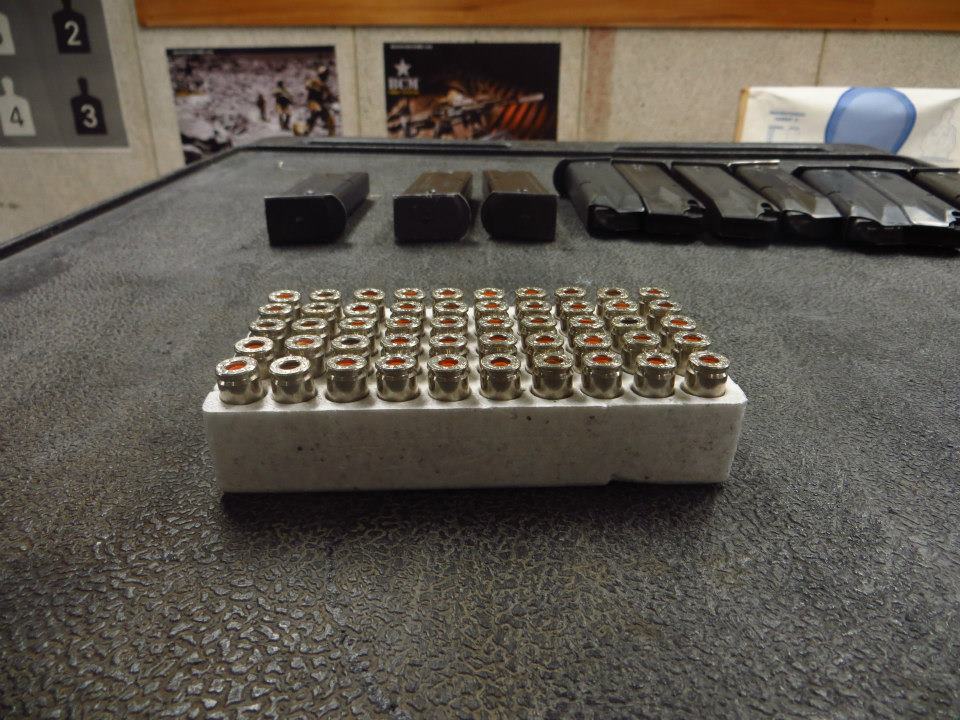
It is extremely dangerous to fire an automatic weapon inside a ship, so you will not get the chance to shoot an M16 rifle during OCS. Instead, you qualify with the M9 pistol and the Mossberg 500 shotgun.
The Navy is the only service that gives you virtual practice with weapons before you handle the real thing, so you are nearly proficient with a real weapon by the time you get to it. These were very basic skills — and to be honest, I have not used any other firearms since.
Navigation class
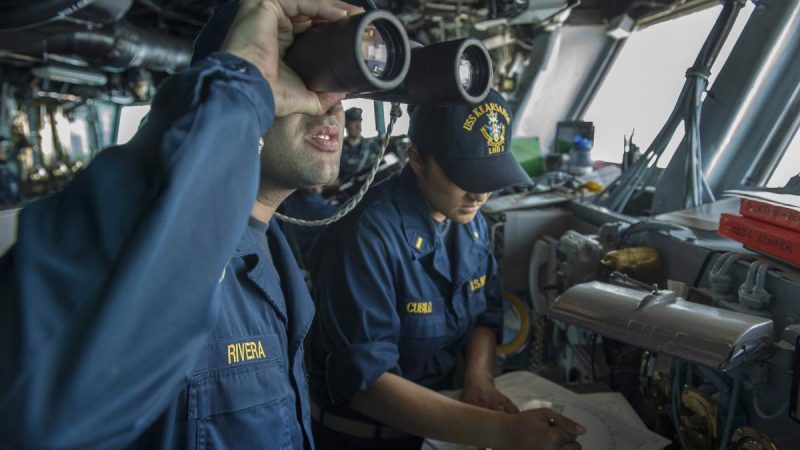
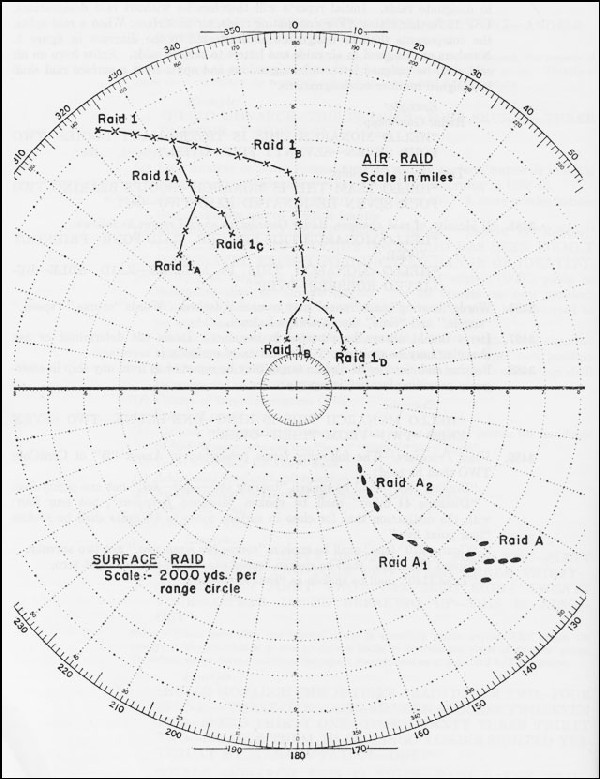
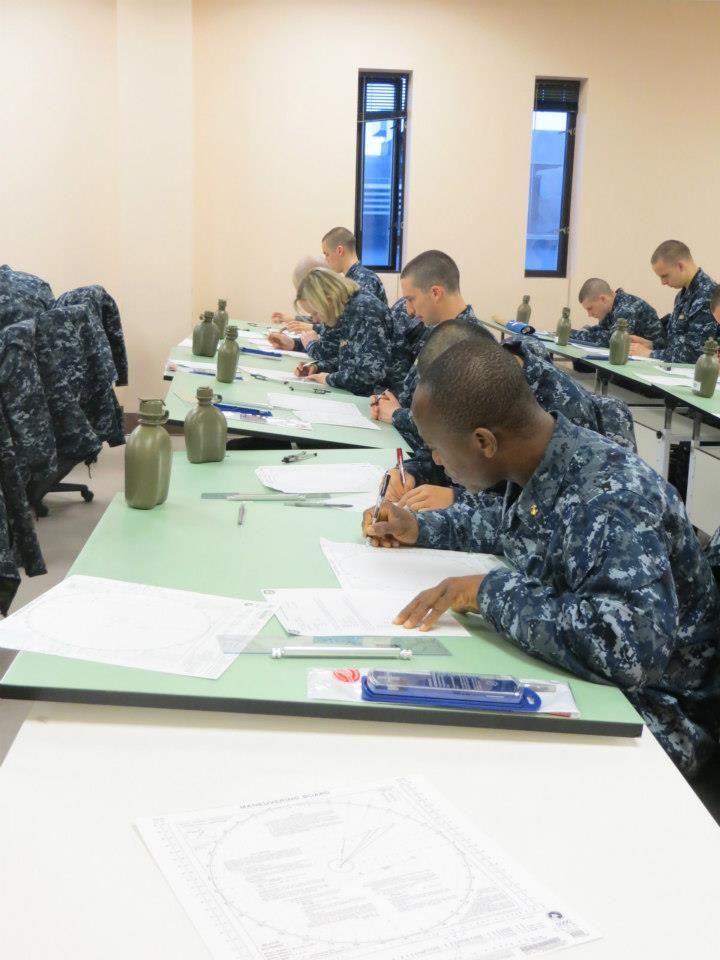
This is an in-depth tutorial on how to use maneuvering boards, plot courses, and keep track of contacts. The goal is to teach you how to use a nautical chart in real-world situations. By measuring and calculating distances, times, directions, and speeds, candidates learn the format, plotting tools, and procedures used in nautical charting. For me, this was one of the hardest — I did not know the terminology and struggled with anything that had a nautical prefix.
Naval Operations and Seamanship class
This seminar explores relative motion, formation tactics, and ship employment in more depth. Topics range from the basics of naval operations and analysis to more advanced subjects like ship handling, communications at sea, command and control, different types of naval warfare, and combined or joint operations. Case studies involving moral, ethical, and leadership challenges related to these topics are also reviewed and discussed.
To put it in plain English, this course and the navigation class above taught us how to navigate practically, using an MO (maneuvering) board. Have you ever played Battleship on paper, plotting your ships and your enemy’s ships on a grid? This is exactly the same — except everything is moving with a velocity, an acceleration, and sometimes a delay. Those two classes were the hardest.
New here? I suggest starting with Part 1 of my Navy OCS series. Note: I went through OCS back in the 2010s, so some details may have changed since then — this is shared for educational purposes only. Photo credit: the Navy OCS page. (Candidates cannot use phones or electronic devices during OCS, so there is no way for a candidate to take photos there.)
This post is part of my full Navy OCS Journey series — follow it week by week from the start.
Navy OCS, week by week — Previous: Week 4: Officer Candidate · the whole series · Next: Week 7: Officer Candidate