Last updated: August 15, 2026
Week 7 of Navy OCS leans into damage control and confidence-building: the Personnel Inspection (PI), firefighting and Damage Control class, the “Buttercup” wet trainer, and the high ropes course. Here are the highlights from this stretch of my Officer Candidate phase — and remember, if you fail an exam, you simply retake it the following Monday.
If you receive a failing grade during this period, you get to retake the course the following Monday, so there is no need to panic if you did poorly on a test. If you flunk an exam, study hard for the next one and ace it. The two things every candidate should focus on right now are their studies and their drills.
During these weeks there is an RLP-like event called PI (Personnel Inspection), plus an engaging Damage Control class. I will also cover a few more highlights from the final stretch of my Officer Candidate phase.
Different uniforms
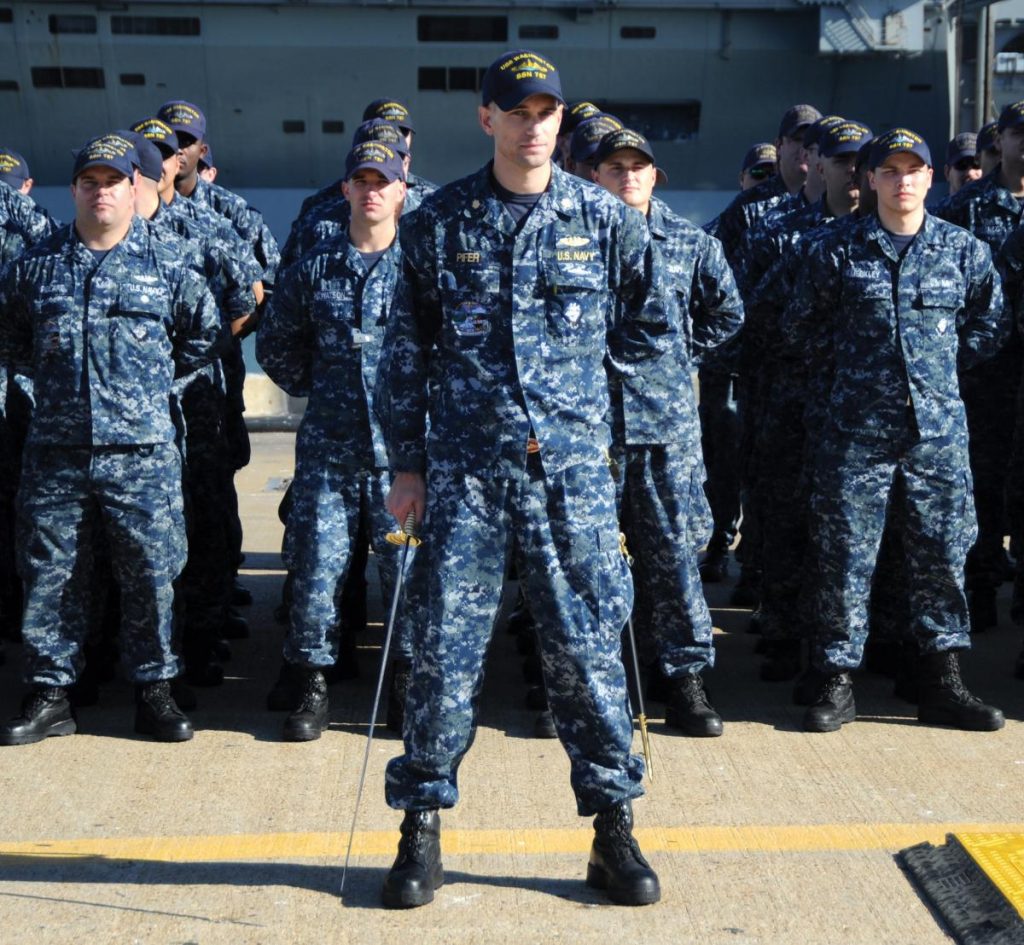
After Week 4, as far as I can remember, everyone should have every type of uniform. Photos from my Navy service show that we wore the Type I Navy Working Uniform (NWU-I). In August 2016 the U.S. Navy announced that the NWU Type I would be phased out in favor of the NWU Type III, which became mandatory on October 1, 2019, as the standard working uniform for shore duty. The change to Type III began rolling out in October 2017, and the Navy now officially uses Type III, a coyote-brown pattern. Everyone had to get used to wearing the right uniform for each occasion, and keeping it neat and clean was a must — the smallest stain could earn you twenty push-ups.
Uniforms were crucial because we faced a second round of inspections during our second phase, and failing could lead to a roll-over to H-Class.
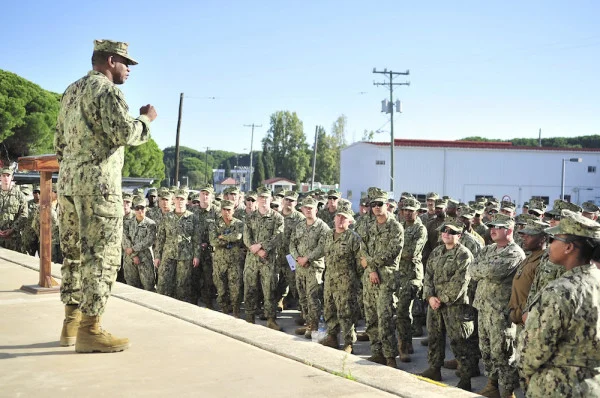
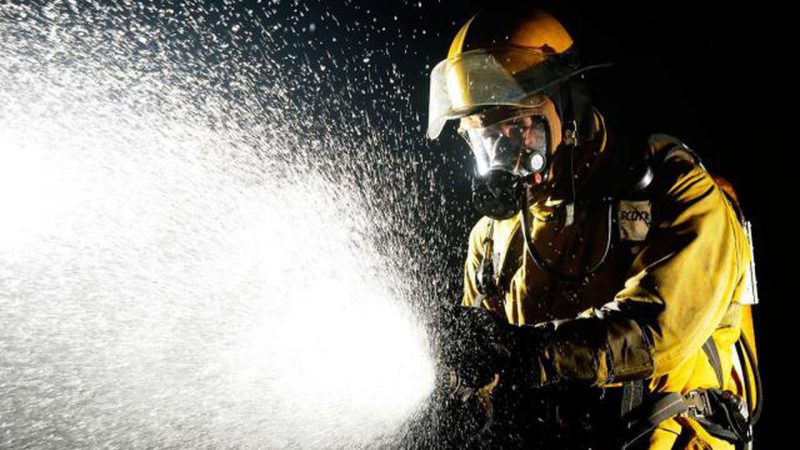
Firefighter and Damage Control training class
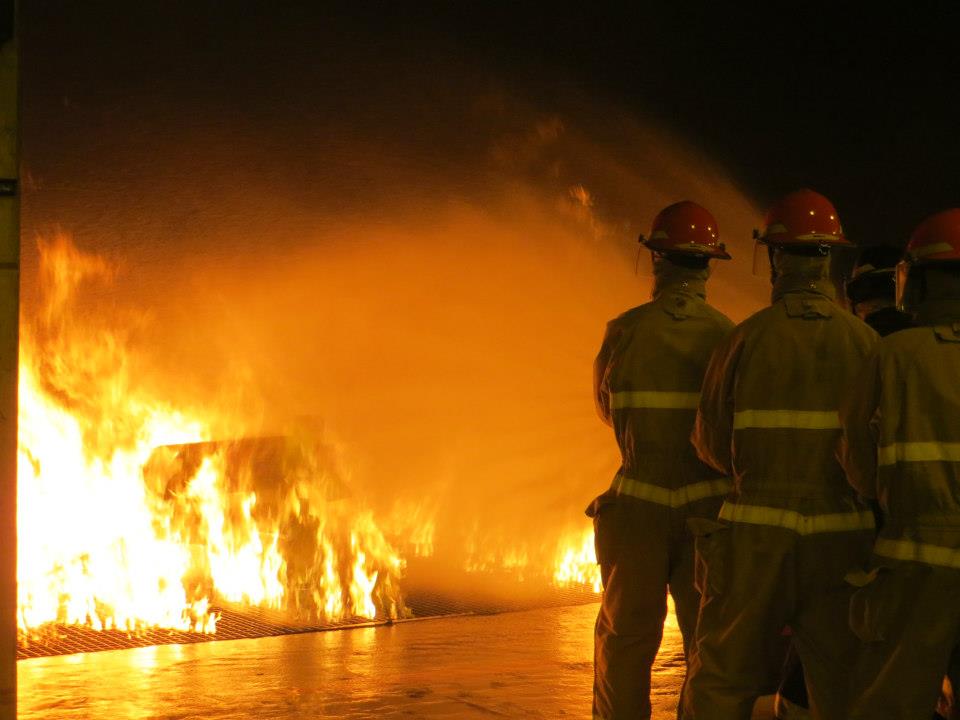
The purpose of this training is to qualify officers and enlisted personnel to handle a ship’s damage-control situations. The class taught the basics of how to deal with a fire aboard a ship.
We trained in a firefighter building — a large structure with replicas of a ship’s engine room, boiler room, supply rooms, CIC, washroom, electrical closet, berthing area, and kitchen. The simulator creates Class Alpha, Bravo, and Charlie fires so we can practice protecting ourselves in dangerous maritime environments. There is also a 15-by-15-foot fire pit used to train people to use fire hoses safely and confidently in extreme heat. What is it for, exactly? You may be surprised, but a lot of people are afraid of fire, and this pit helps build their confidence around it — sometimes just by having them stand near it.
(Picture gallery below — click an image to view more.)
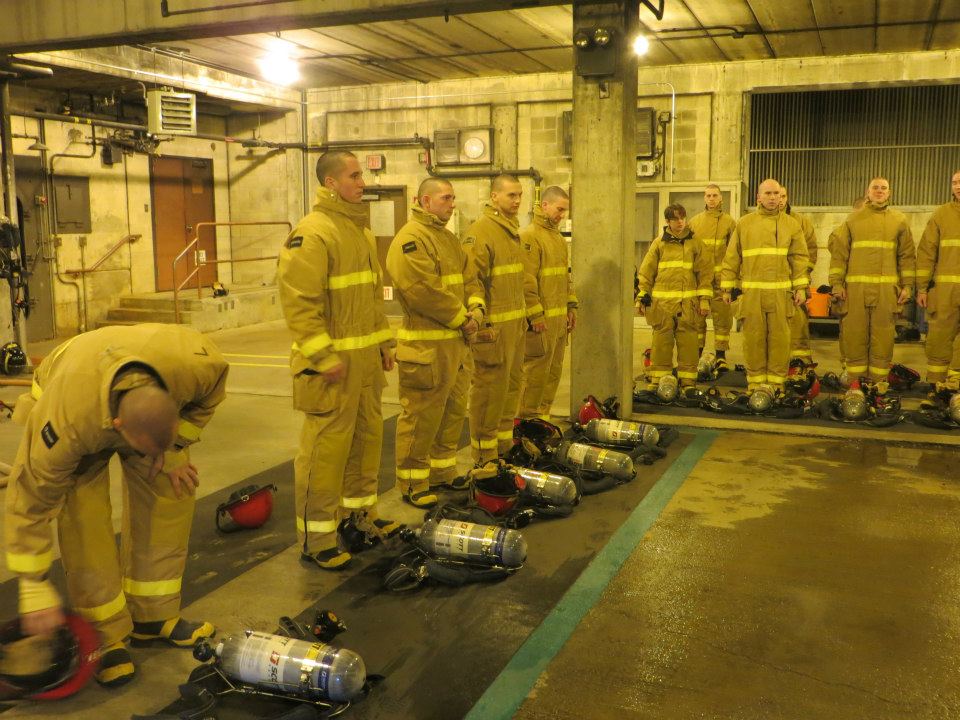
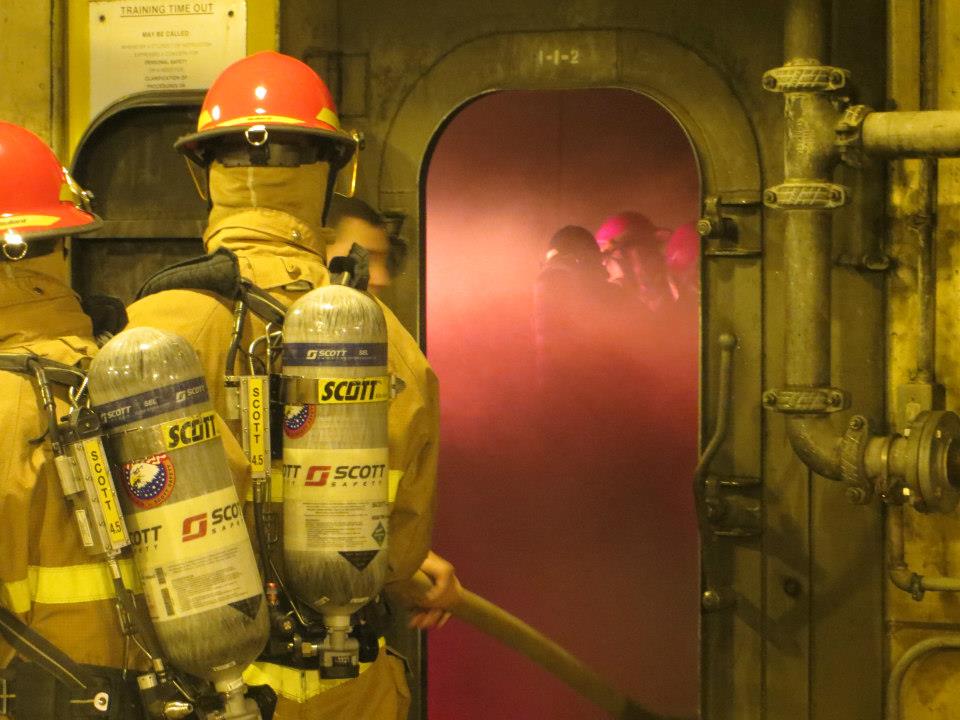
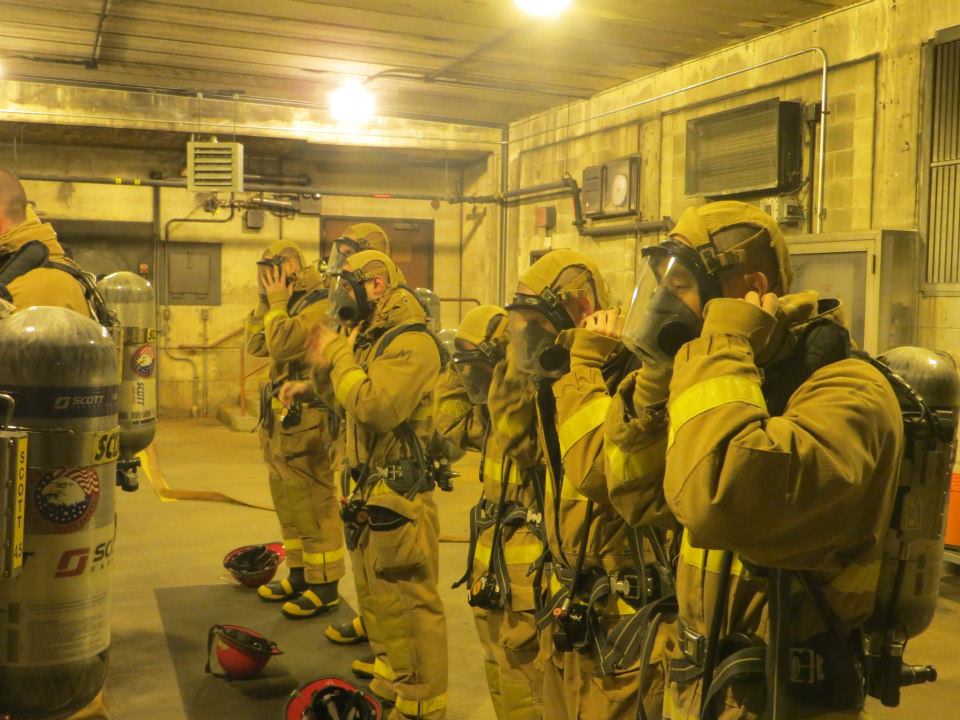
Wet trainer and Damage Control training class
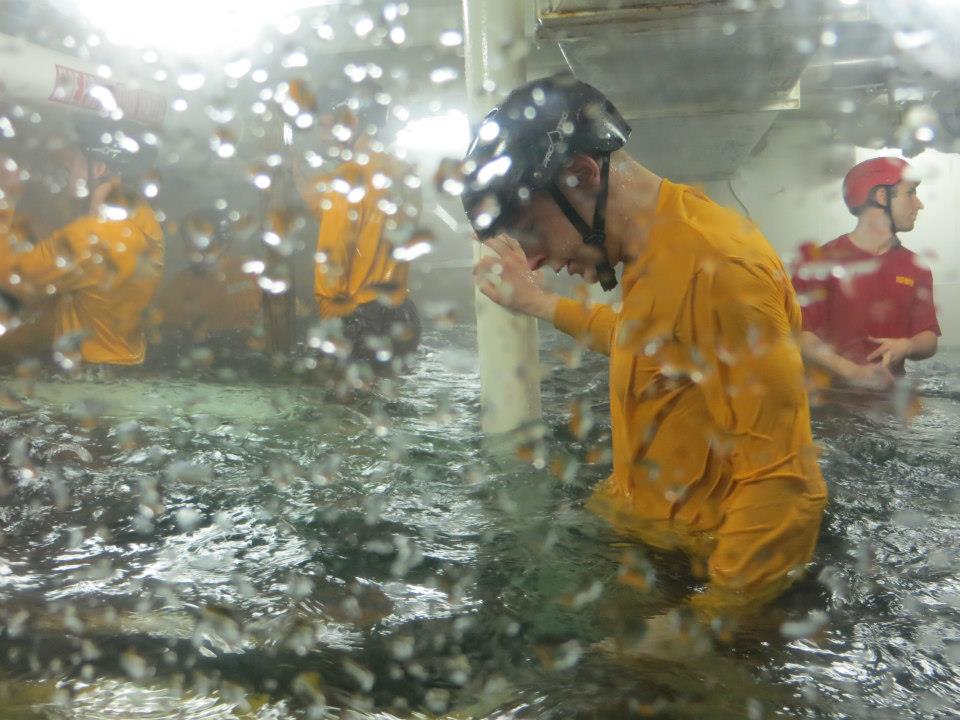
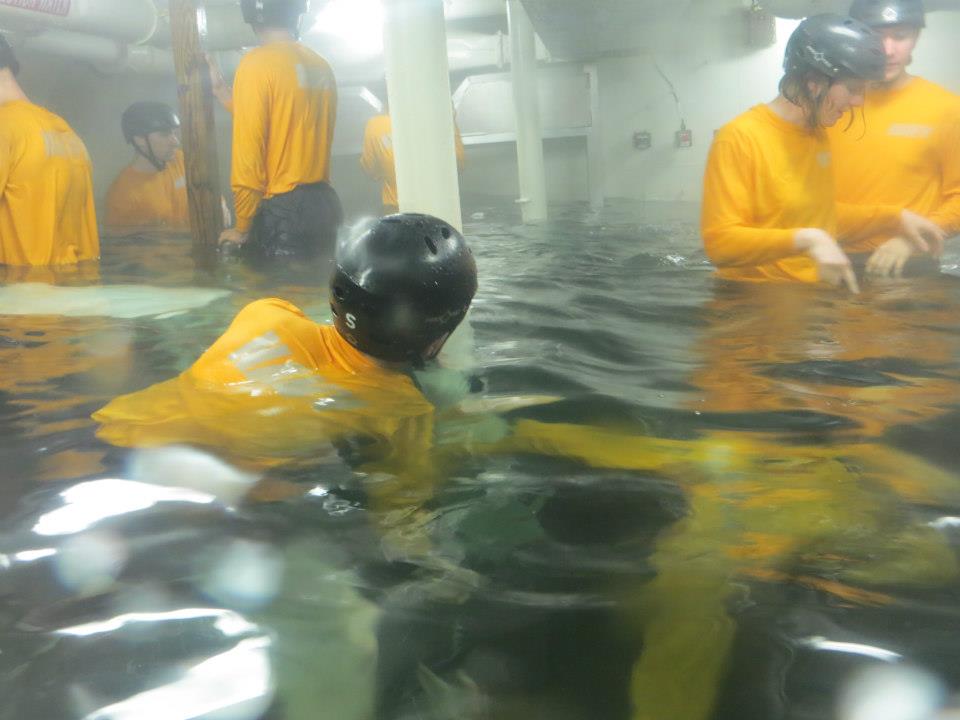
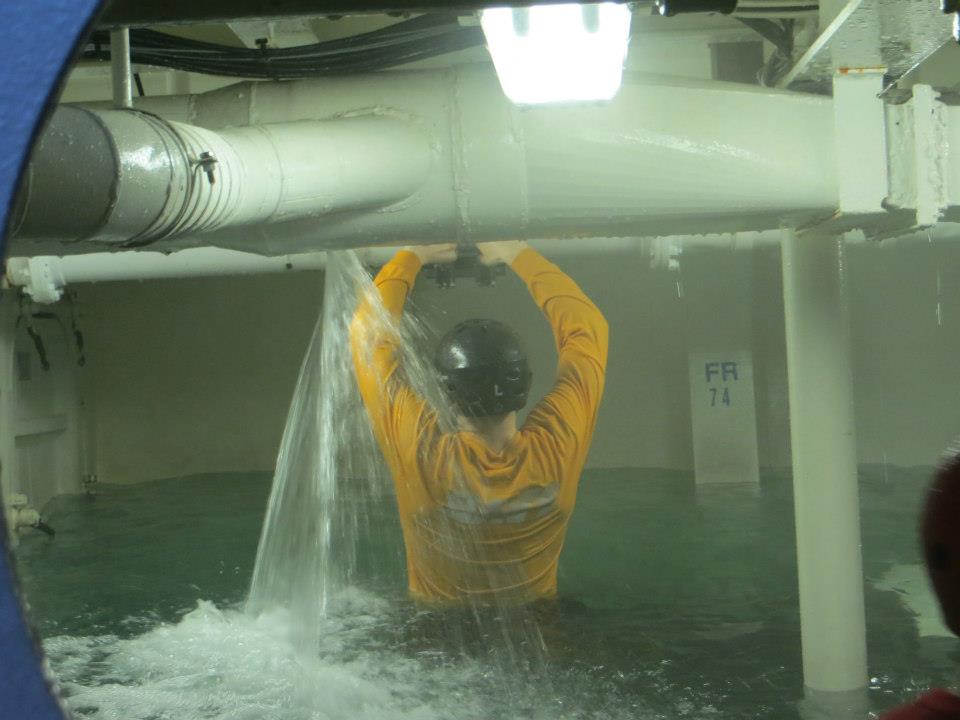
This is the Buttercup, or Damage Control Wet Trainer — a large pool shaped like a sunken ship. The pool is only 5 feet deep on the starboard side and 8 feet deep on the port side, which makes the trainer list severely. There are eight rooms in total, including a fan room, a control center, a repair station, storage areas, and a sleeping area. The storage and docking areas are flooded on purpose.
In a nutshell, we were taught what to do in the event of a flood or an impending shipwreck. The water was not very deep, but having it constantly splashing in your face while you do mechanical work was not pleasant.
(Photo gallery below — click an image to view more.)
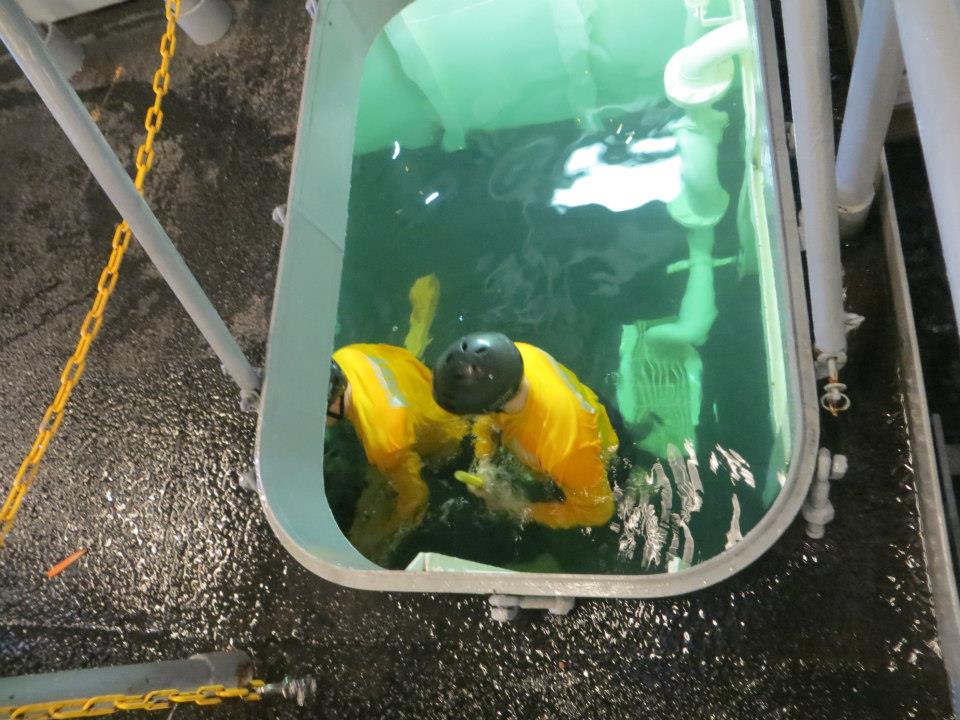
High ropes course
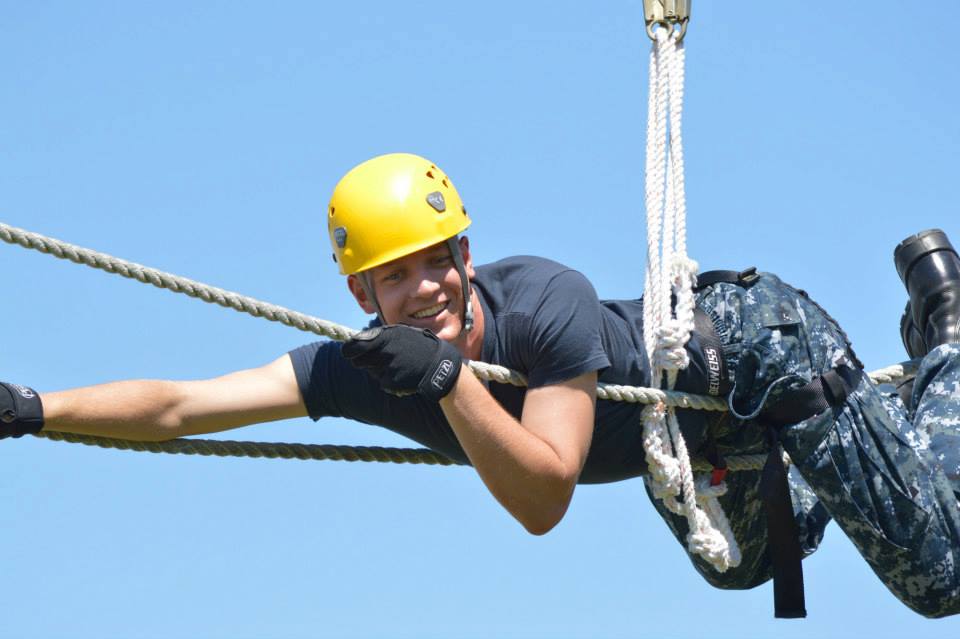
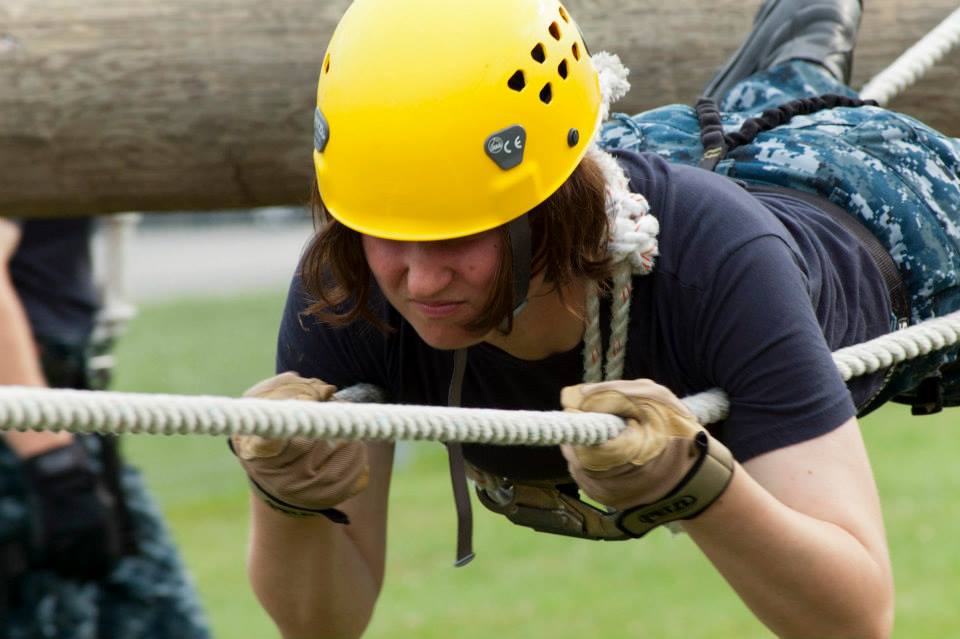
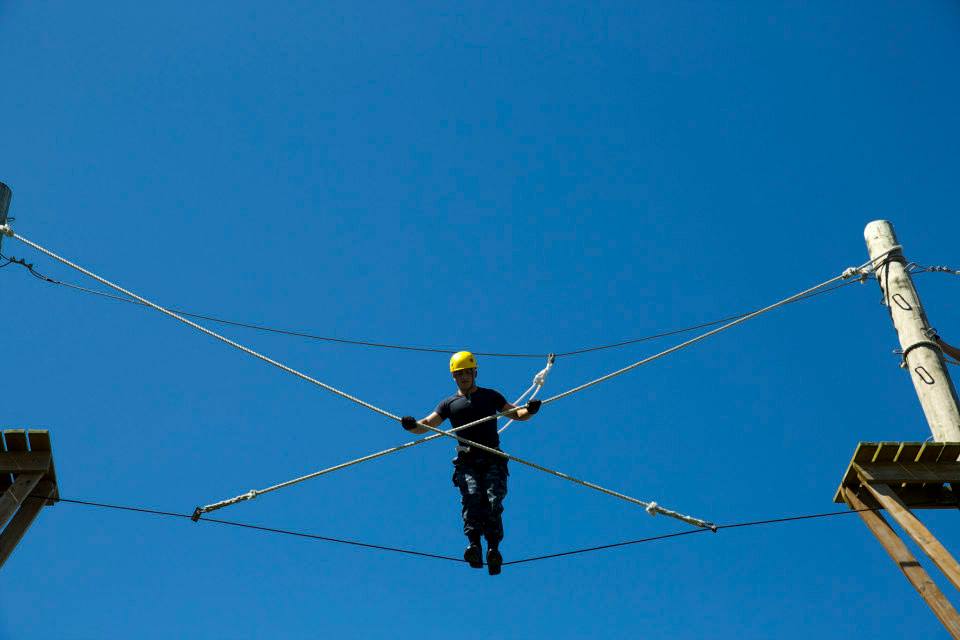
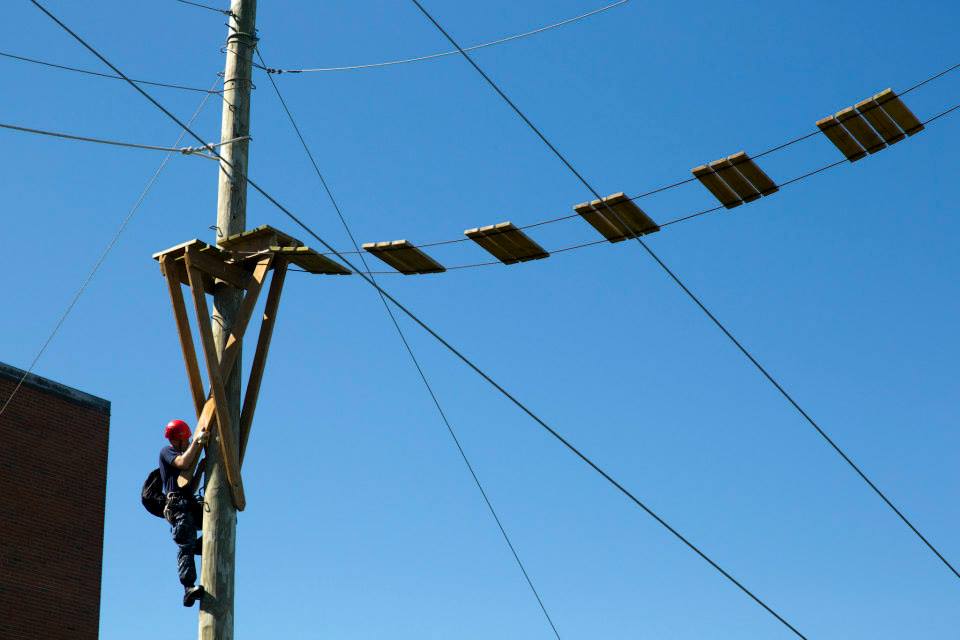
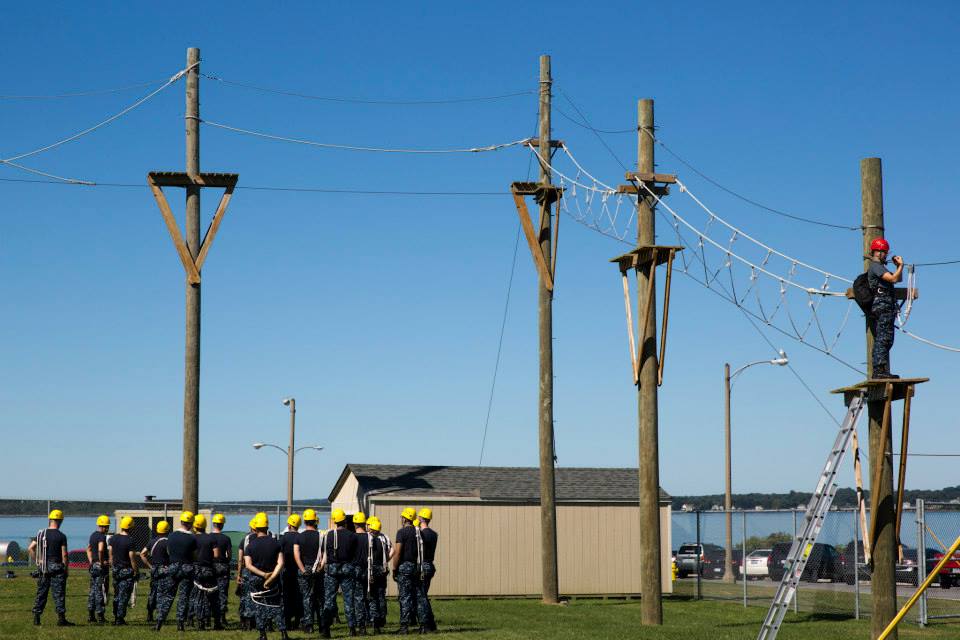
This one was not fun for me. To be honest, I have a severe fear of heights and found this course extremely challenging — there was no way to slow my pulse or calm my breathing. The course involved climbing to great heights, crawling to the next pole (like a ship’s mast), walking the line, and finally zipping down. What helped me get through it was learning to keep my head up no matter what, with my eyes level to the horizon at all times. I once misstepped and thought it was the last step of my life — until I realized my body was attached to a secure line and I was just left hanging in mid-air.
New here? I suggest starting with Part 1 of my Navy OCS series. Note: I went through OCS back in the 2010s, so some details may have changed since then — this is shared for educational purposes only. Photo credit: the Navy OCS page. (Candidates cannot use phones or electronic devices during OCS, so there is no way for a candidate to take photos there.)
This post is part of my full Navy OCS Journey series — follow it week by week from the start.
Navy OCS, week by week — Previous: Weeks 5-6: Officer Candidate · the whole series · Next: Weeks 8-9: Officer Candidate