
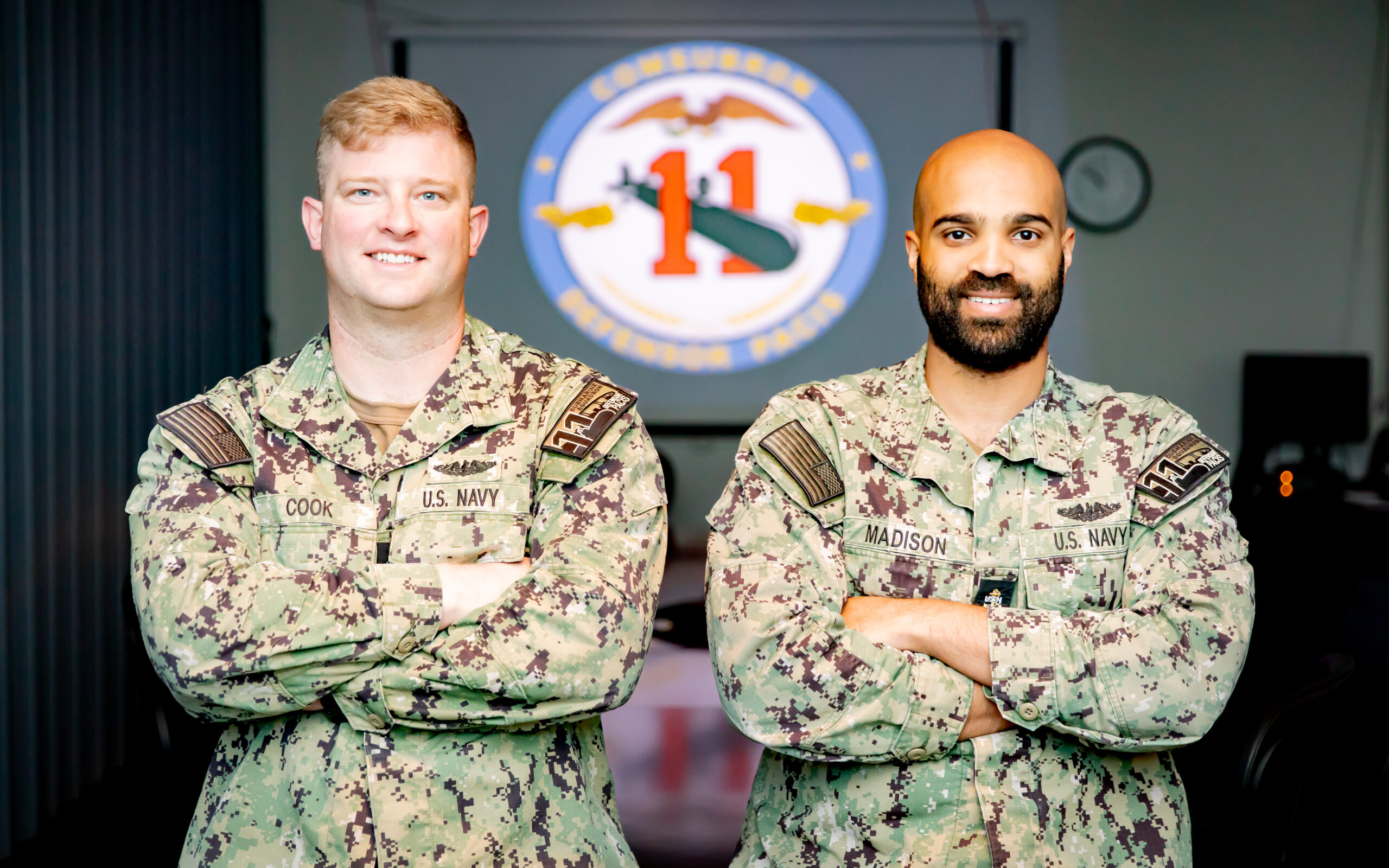
To prepare for a Navy OCS application as a college sophomore, the first move is a phone call to a local officer recruiter, not an email to your school’s NROTC (Naval Reserve Officers Training Corps) office. Those are two different doors. NROTC staff manage their unit’s midshipmen. Officer recruiters work for Navy Recruiting Command and own the OCS (Officer Candidate School) pipeline. I went through OCS in Newport, Rhode Island, and later served as a Cryptologic Warfare Officer, and I can tell you the candidates who showed up squared away were the ones who started this paperwork early and kept their grades up while they did it.
Getting turned down for NROTC stings. It also doesn’t close anything. Plenty of fine officers came in through OCS after a college scholarship didn’t pan out, and the commissioning is the same gold bar either way.
Start With the Officer Recruiter, Not the NROTC Office
Search “Navy officer recruiter” plus your city, or call the recruiting district and ask for the officer programs phone number. Enlisted recruiters and officer recruiters are not the same shop, and you want the officer side. Tell them you’re a sophomore, you want to commission through OCS, and you want to know what programs you’re eligible for right now.
One thing to know up front: an officer recruiter can’t lock you into an OCS board two years out. What they can do is tell you which program fits your timeline, walk you through the application components, and get you into the medical and paperwork pipeline at the right moment. That first conversation is reconnaissance. Ask what the current package looks like, what the board weighs, and when you should come back.
Your GPA Is the Loudest Number in the Package
Every OCS package includes transcripts, and your college GPA (Grade Point Average) gets looked at hard. Sophomore year is the gift here. You still have four or five semesters to move that number, and an upward trend reads well on a transcript. A 2.9 that climbs to a 3.4 tells a better story than a flat 3.2.
Practical moves: drop the class you’re going to gut out a C-minus in, retake anything with a W or a D if your school allows grade replacement, and protect your science and math grades if you’re aiming at a technical designator. Minimum GPAs and preferred GPAs vary by designator and by board, so get the current standard from your recruiter rather than from a forum post.
Leadership and Extracurriculars Carry Real Weight
OCS selection boards are picking future division officers, so they want evidence you can lead adults. Not just belong to things — run them.
- Take an officer position in a club, fraternity, or student government, not just a membership card.
- Captainship of a club or intramural team counts. So does organizing something that didn’t exist before you started it.
- Volunteer work is fine, but a role where you’re responsible for other people’s schedules and results is better.
- If you can hold a part-time job with real responsibility while carrying a full course load, that’s leadership experience too.
Keep a running list. When it’s time to write your application, you’ll want the dates, the titles, and the names of people who can speak to what you did.
BDCP and Other Programs That Can Hold Your Slot
Ask your recruiter about BDCP, the Baccalaureate Degree Completion Program. The idea is straightforward: if you qualify, you can secure an officer slot while you’re still in school, draw some pay and benefits, and finish your degree before you ship to OCS. It’s a way to stop the clock on your anxiety about selection while you’re still taking finals.
Eligibility, quotas, and whether BDCP is even open to your designator change from year to year. This is exactly the kind of thing to confirm with your recruiter or the latest NAVADMIN (the Navy’s official message traffic), not with a Reddit thread from three years ago. The nrotc to ocs path also has a few variations worth asking about, including whether any transfer or reapplication options exist at your school.
Timing, the Merchant Marine Question, and the Long Wait
The OCS application pipeline runs long — from first serious conversation to shipping out can easily eat the better part of a year, sometimes more, depending on board schedules and how fast your medical and security paperwork moves. That’s normal. Plan around it.
On the merchant marine question: sailing commercially while you wait is a real option some candidates explore, and sea time can be genuinely useful experience. It can also complicate things. Long absences make it harder to hit appointments, get documents notarized, or show up for a board interview on short notice. If you’re considering merchant marine time before OCS, put it in front of your recruiter early and ask how it interacts with your package. Don’t sign a nine-month contract and then mention it.
If you want the broader picture of what the pipeline looks like end to end, spend an evening on our Navy OCS Journey hub before you call the recruiter. You’ll ask better questions.
What a Sophomore Should Do This Semester
Call the officer recruiter. Raise your GPA one grade at a time. Take a leadership role and keep notes on it. Stay physically fit so you’re not starting from zero when the PRB (Physical Readiness Test) shows up. And keep your record clean — a background check is part of this.
Missing NROTC doesn’t mean missing the commission. It means taking a different road to the same gold bar, and you’ve got two years to build the record that gets you there. Get after it.