
Last updated: August 15, 2026
Can a Low GPA OCS Application Really Compete?
If you’re staring at a 2.6 GPA and wondering whether a low GPA OCS application can work, you’re not alone. I heard that same question from candidates during my time as an officer, and I’ve seen the scuttlebutt (rumor mill) run wild about who “gets in” and who doesn’t. Here’s the honest gouge: the Navy’s official minimum GPA for Officer Candidate School is typically 2.8 or higher. A 2.6 puts you below that bar, so a direct application will face serious hurdles. But “unlikely” doesn’t mean “impossible,” and your GPA is only one piece of a much bigger picture.
When I went through OCS in Newport, my class had people from all sorts of academic backgrounds. Some had graduate degrees; a few had scraped by with GPAs south of 3.0. The Navy looks at the whole person—your OAR/ASTB scores, leadership experience, letters of recommendation, and your story. A 2.6 GPA isn’t an automatic disqualifier, but it means the rest of your package has to be strong enough to offset it. And even then, you may need a waiver, and waivers get harder to justify in competitive years.

What Else Matters Besides Your GPA?
If you’re set on a commission and your GPA is below the line, don’t give up yet. Your applicant package is a mosaic, and the Navy weighs several factors alongside your transcript:
- OAR/ASTB scores – A strong score on the Officer Aptitude Rating or Aviation Selection Test Battery can help balance a lower GPA.
- Leadership experience – Demonstrated leadership in college, work, or athletics tells the board you have what it takes to lead sailors.
- Letters of recommendation – A glowing rec from a former boss, professor, or military officer carries weight.
- Your personal statement – Explain the circumstances behind the GPA. If you overcame adversity, say so. If you just didn’t study, own it and show how you’ve changed.
- Age and experience – The Navy generally accepts OCS applicants up to their early 30s, so if you’ve been out of school and built a career, that maturity can count for something.
I’ve seen candidates with perfect GPAs get turned down because their essays read like dry memos, and I’ve seen a few with less-than-stellar transcripts earn a spot because their leadership story was undeniable. The board wants officers who can think on their feet, not just students who aced exams.
The Enlistment Alternative: A Path to a Commission
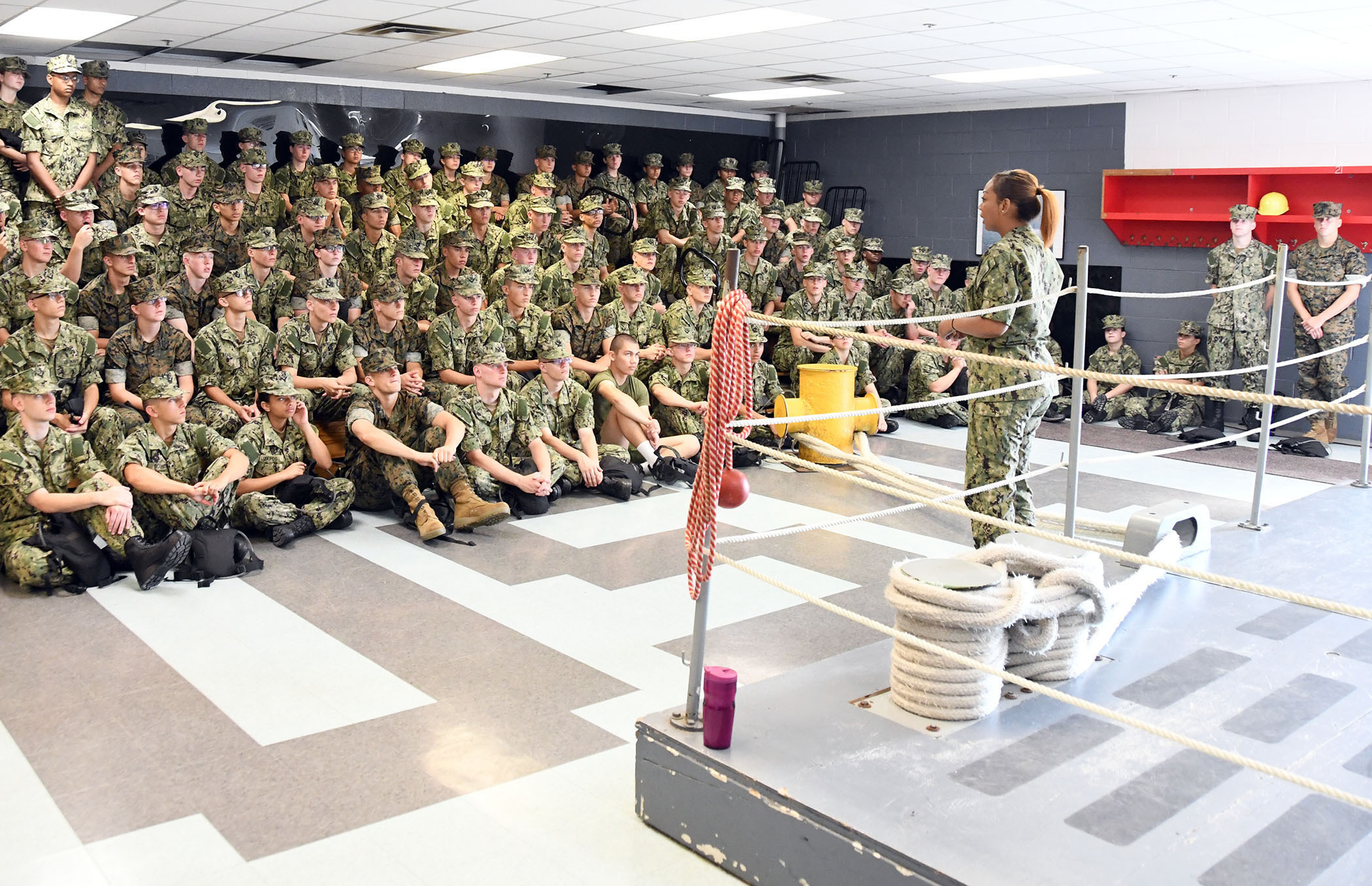
Now, let’s talk about the most realistic route for a 2.6 GPA: enlisting first. I know that’s not what you want to hear if you have your heart set on OCS, but hear me out. I had a shipmate in the cryptologic community who enlisted with a bachelor’s degree and a so-so GPA. After a couple of years of solid performance, he applied for the Seaman to Admiral program and earned his commission. Another friend did the same through the Naval Academy’s enlisted commissioning program. These paths exist precisely for candidates who need to prove themselves beyond a transcript.
Enlisting doesn’t mean giving up on being an officer—it means taking the long way around. You’ll get leadership experience, a security clearance, and a track record of performance that speaks louder than any GPA. Plus, the Navy offers tuition assistance while you’re on active duty, so you can earn a master’s degree or raise your undergraduate GPA through additional coursework if needed. Then you can apply for OCS as an internal candidate, and the age limit OCS sets (typically early 30s) still gives you plenty of room.
Some folks on the forums will tell you to just try the Army or another branch, and that’s not terrible advice—every service has its own rules. But if you want the Navy specifically, the enlisted path is a well-worn road to a commission. I watched it work multiple times, and those officers often end up more respected because they earned it from the deckplates up.
What You Can Do Right Now
If you’re still set on applying to OCS directly with a 2.6 GPA, here’s my practical advice:
- Talk to an officer recruiter. They know the current waiver climate and can tell you if your package is worth submitting. Don’t rely on a regular enlisted recruiter; find the officer accessions shop.
- Boost your OAR score. This is the one thing you can improve quickly. Study hard and aim for a score well above the average.
- Get leadership experience now. Volunteer for team leadership roles in your job, community, or military reserve if you join.
- Consider a post-bacc or master’s. A few graduate-level courses with strong grades can show the board you’re not the same student you were at 20.
- Build relationships for recommendations. Ask people who’ve seen you lead under pressure, not just old professors.
Above all, be honest with yourself. The Navy OCS selection process is competitive, and a low GPA puts you behind the pack. But the journey to a commission isn’t a single door—it’s a corridor with several entrances. I’ve seen too many good officers take the longer route to say otherwise. If you want it badly enough, you’ll find a path.

My Final Encouragement
Don’t let one number define your potential. Every officer I’ve known has had strengths and weaknesses, and the Navy values character and perseverance as much as academic pedigree. If a low GPA OCS application seems out of reach today, start building the story that makes tomorrow’s application impossible to ignore. Whether you go direct or through the enlisted ranks, the officer corps needs people who are determined, adaptable, and ready to serve. That’s what the boards are really looking for—and that’s something no GPA can measure.
For more guidance on the full journey, check out the Navy OCS Journey hub. And remember: your path to the fleet doesn’t have to be a straight line. It just has to get you there.
This post is part of Applying to Navy OCS — the full path from eligibility through the board, in reading order.