
Teacher to Officer: Your First Steps Toward Navy Intel
Teacher to officer is a leap I’ve seen more than a few people make, and it’s one worth taking seriously. You’re 27, you’ve got a BS in Education, and you’re wondering if the Navy has a place for you in intelligence. The short answer: yes. Age isn’t the barrier you might think it is, and your degree isn’t the dead end some civilian career counselors imagine. What matters is how you approach the process, and the first move is simpler than you’d guess: find an officer recruiter and take the OAR.
The OAR, or Officer Aptitude Rating, is a standardized test that measures verbal, math, and mechanical comprehension. It’s your ticket into the officer applicant pool. I took it back in the day, and I remember the nerves. But it’s not the MCAT. It’s a baseline. Your score, along with your GPA, your background, and your performance in the interview, tells the Navy what kind of officer you might be.
When I went through OCS in Newport, there were candidates in their late twenties and early thirties. One guy in my class had been a high school history teacher. He was a plankowner (a member of the original crew) in our class, and he did fine. The Navy values maturity and life experience, especially in communities like intelligence where you’re dealing with ambiguous problems, not just following a script.
Why Your Education Degree Isn’t a Hurdle
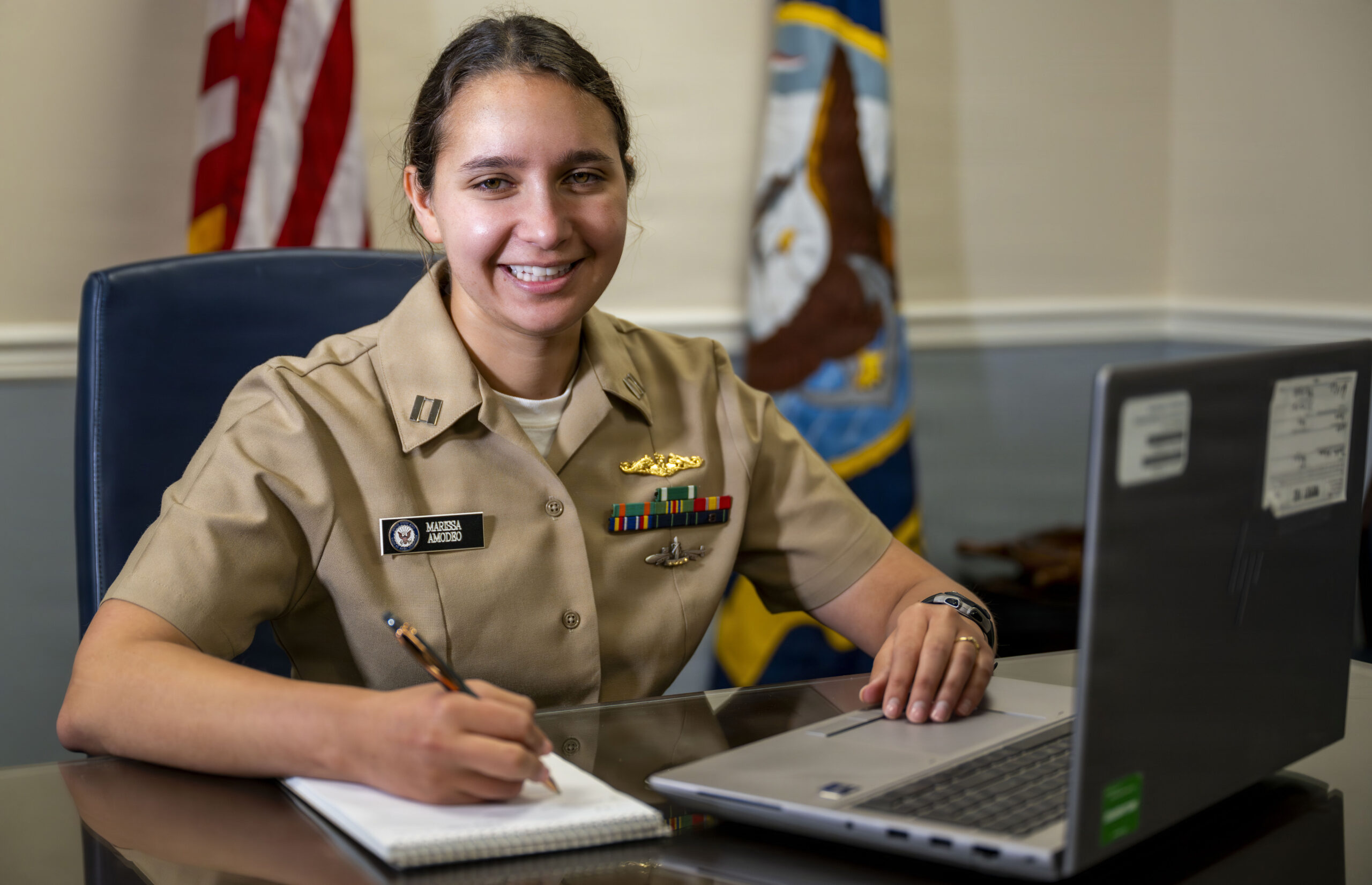
Let’s tackle the elephant in the room: your BS in Education. It’s not a technical degree, and you might worry that Intel officers all have political science or engineering backgrounds. Not true. The intelligence community, which includes the Navy’s intelligence officer designator (1630), and the broader Information Warfare community (1810, which is my own designator as a Cryptologic Warfare officer), needs people who can think critically, write clearly, and connect dots. Teaching actually hones those skills. You’ve spent years breaking down complex topics for different audiences, managing a room, and adapting on the fly. That’s more relevant than you think.
What the Navy looks for in an intelligence officer is analytical aptitude. That’s measured by your OAR score, but also by your ability to communicate in the interview and your overall record. So don’t sell your degree short. It’s a foundation, not a limitation.
That said, you’ll need to research the specific designators (job codes) you’re interested in. The best resource is My Navy HR, the Navy’s official personnel website. You can search for officer programs, read the qualification standards, and see what each community values. For intelligence, you’ll find prerequisites like a minimum OAR score and often a requirement for a secret clearance. Start there.
Your First Step: Talk to an Officer Recruiter
Your next move is to contact a Navy officer recruiter. Not an enlisted recruiter—officer recruiting is a separate track. You can find one through the Navy’s website or by calling the local recruiting district. When you call, say you’re a college graduate interested in an intelligence officer commission. They’ll set up a meeting, and you’ll discuss your background, your goals, and the next steps.
Don’t be surprised if the recruiter asks about your age. It’s a standard question, but here’s the gouge (insider tips): the Navy has age waivers for many programs, and at 27, you’re likely within the standard limit for most designators. For example, the intelligence officer program typically requires you to be commissioned before age 35, though that can vary by year. Your recruiter will give you the current numbers. Just be upfront and don’t let age anxiety hold you back.
Once you’re in the recruiter’s office, you’ll likely take the OAR right there or schedule it soon after. The OAR is a computer-based test, and you can take it up to three times. Prepare for it. There are study guides online, and your recruiter can point you to official practice materials. A good score opens doors.
How Teaching Experience Helps in the Navy
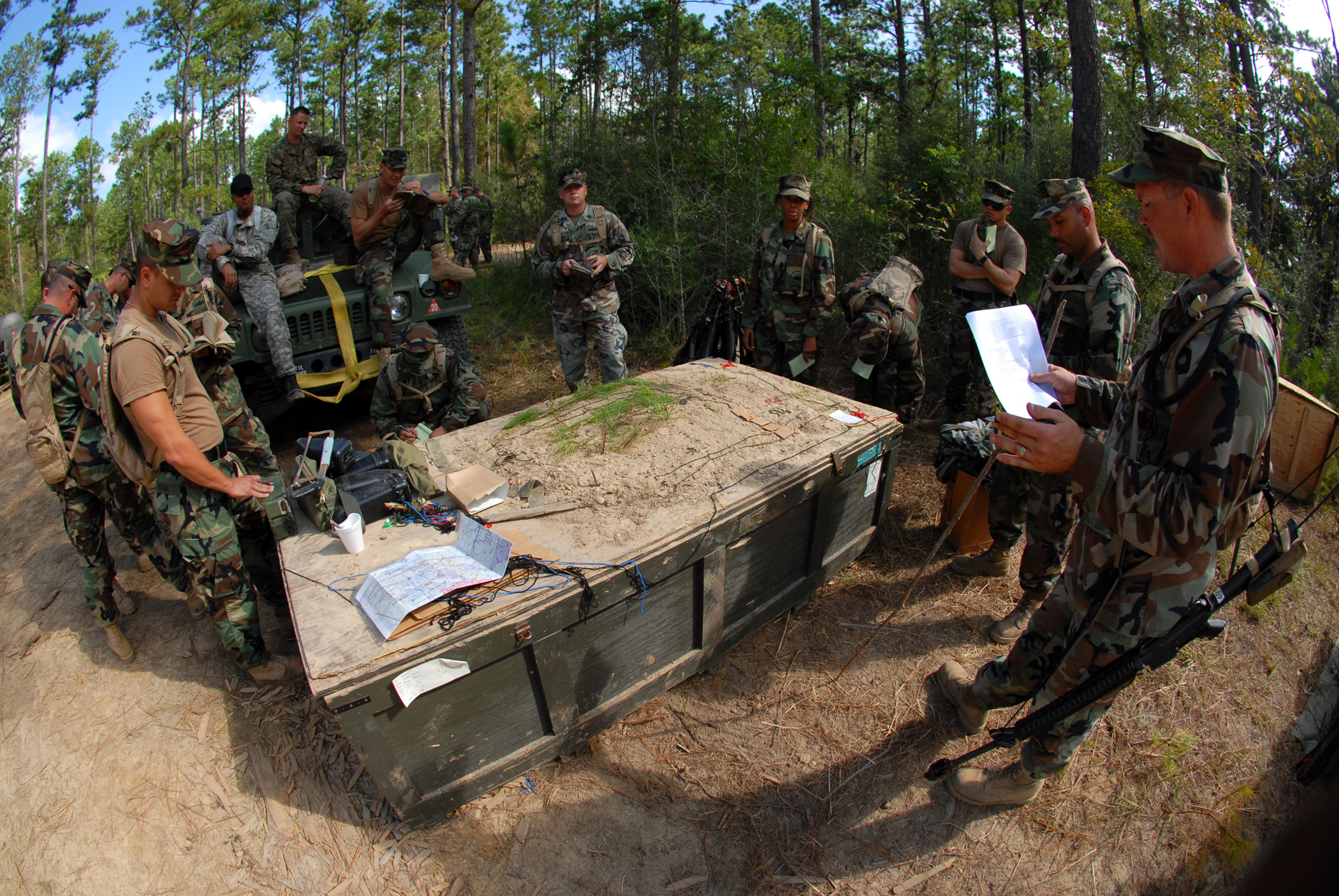
Your teaching background isn’t just a checkbox. It can be a genuine asset. For one, many officers end up in training or instruction roles. In my own career, I spent time as a division officer, and a chunk of that was teaching my sailors—running training sessions, explaining technical concepts, and mentoring. Your ability to break things down and keep people engaged will serve you well.
In intelligence, you’ll also be writing briefs and giving presentations to senior officers. Teachers know how to hold an audience. You’ve got that skill already. The Navy will teach you the operational side, but the communication piece is something you bring with you.
That said, don’t expect your teaching experience to fast-track you. Everyone starts as an officer candidate, then an ensign (O-1), and you’ll learn the fleet from the ground up. But the maturity and organizational habits you’ve built will help you stand out, especially in the early years.
One thing to keep in mind: the Navy is a team sport. Your classroom was your domain, but on a ship or in a command, you’re part of a larger mission. Be ready to listen and learn from enlisted sailors who’ve been doing the job for years. They’ll be your greatest teachers.
Putting It All Together
So here’s your roadmap: research officer designators on My Navy HR, contact an officer recruiter, take the OAR, and start your application. The process takes months, so patience is key. You’ll need to pass a physical, gather letters of recommendation, and write a personal statement. Your recruiter will guide you through each step.
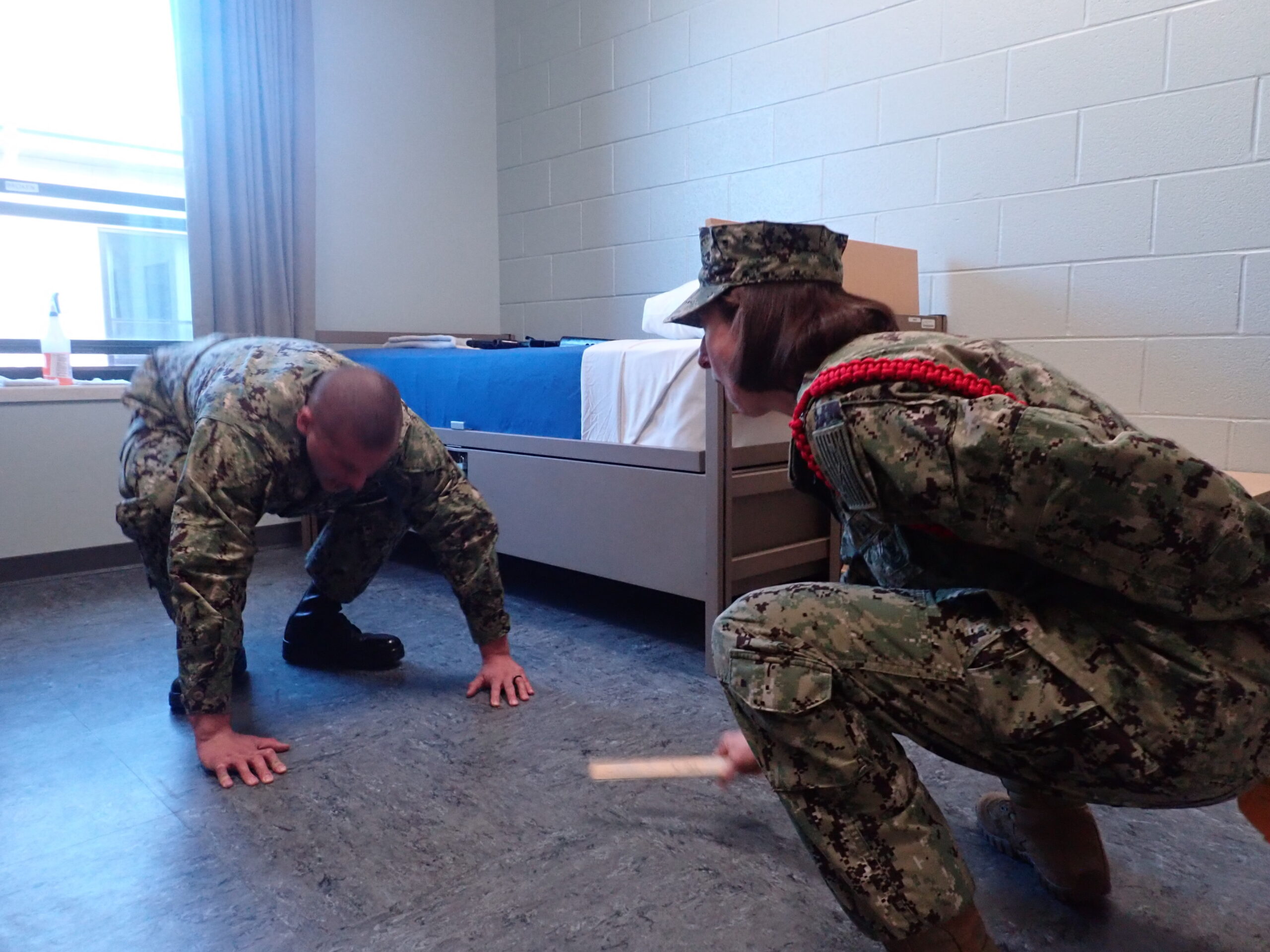
If you’re selected, you’ll head to Officer Candidate School in Newport, Rhode Island—13 weeks of intense training that will push you physically and mentally. I won’t sugarcoat it: OCS is tough. But you’ll come out the other side as a Navy officer, ready to lead sailors.
The journey from teacher to officer is one of the most rewarding transitions I can imagine. You’ll trade lesson plans for intelligence reports, but the core of the work is the same: making sense of information and helping others understand it. If you’re ready for that challenge, start today. Talk to a recruiter. Take the OAR. You’ve got this.
For more stories and guidance on the road to a commission, check out the Navy OCS Journey hub. Fair winds and following seas.