Last updated: August 16, 2026
Navy Pilot Requirements: More Than an Engineering Degree
Navy pilot requirements are often misunderstood. Many applicants assume you need an engineering degree to fly for the Navy. That’s not true. When I went through OCS, my class had a mix of degrees—from history to biology to engineering. The Navy cares more about your aptitude and drive than your major. If you’re coming from a pre-med background with a life science degree, you can absolutely become a naval aviator.
Your path starts with the ASTB—the Aviation Selection Test Battery—and a conversation with an officer recruiter. Let’s break down what you need to know.
Why the ASTB Is Your Golden Ticket
The ASTB is the most important factor in your Navy pilot application. It’s a standardized test that measures your academic skills, aviation knowledge, and spatial awareness. A strong ASTB score can outweigh a non-engineering degree. In fact, scoring 7s or higher across all sections can lead to immediate select status—meaning you get picked up for a pilot slot on the spot.
I’ve seen candidates with perfect GPAs get passed over because of weak ASTB scores, and others with average GPAs get selected because they aced the ASTB. The test is your chance to prove you have the right stuff.
Prep is key. Many applicants swear by the Alex Hastings app for practice questions, and Jantzen’s simulator on Air Warriors for the flight and spatial sections. Quizlet sets for aviation and nautical knowledge are also gold. Just remember, the app might not cover every math question, so supplement with additional study.
Your Degree: Non-Engineering Is Fine
If you’re worried that a pre-med background won’t cut it, let me put that to rest. The Navy accepts candidates from any accredited university, and a life science degree is perfectly acceptable. What matters is your GPA (generally 3.0 or higher) and how you perform on the ASTB.
One of my buddies in the fleet was a philosophy major. He flew P-3s (maritime patrol aircraft) and later became a test pilot. Your degree is just a starting point—your performance in flight school and as a junior officer is what really counts.

Contact an Officer Recruiter Early
Your first step should be to contact an officer recruiter. They can guide you through the application process, explain current requirements, and help you schedule the ASTB. Don’t wait until you’re ready to apply—reach out now to get the gouge (insider tips) on what the board is looking for.
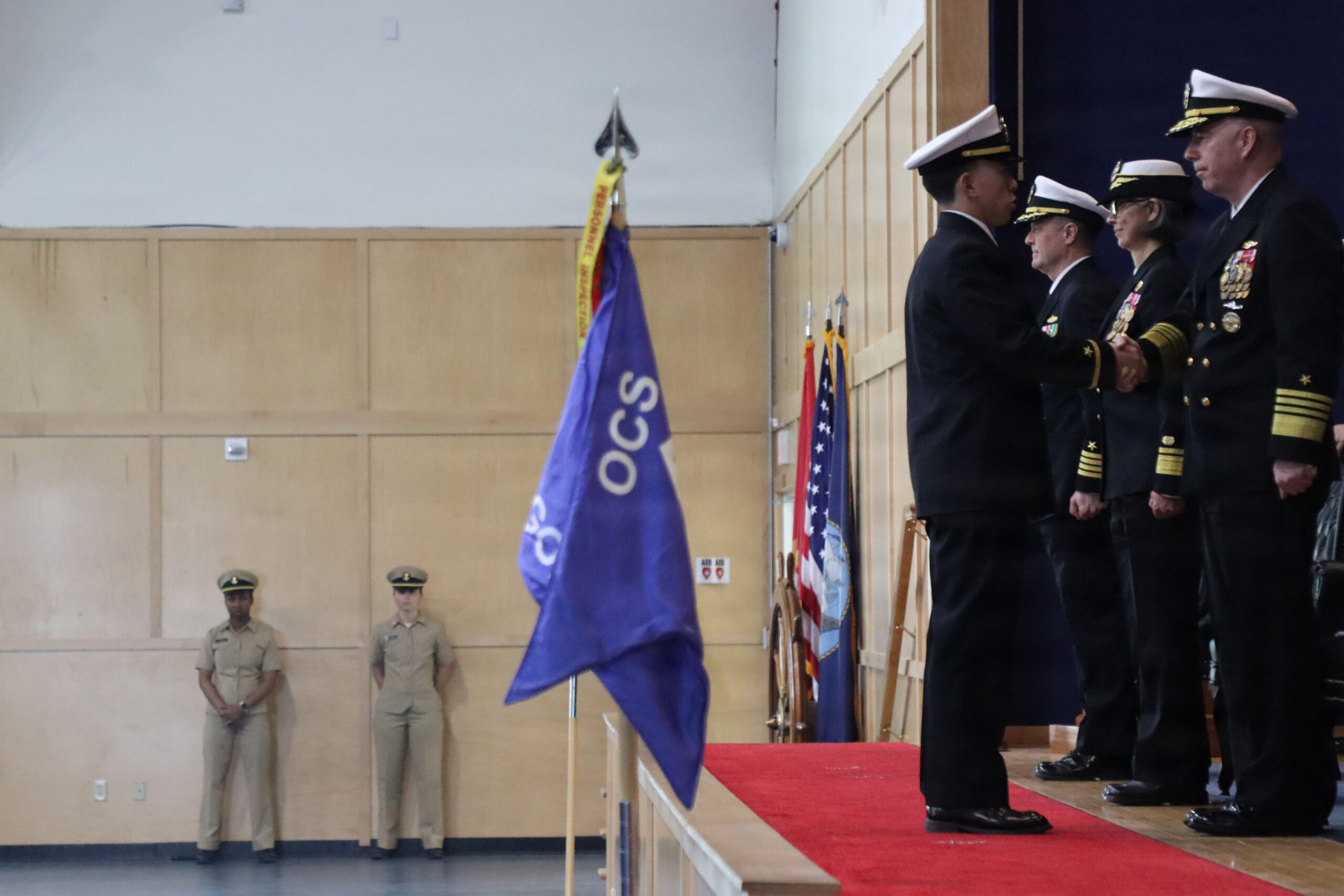
Recruiters can also tell you about the whole Navy OCS journey, from the application to the dog box (the holding area at OCS) and beyond. They’ll help you build a package that stands out.
From Naval Aviator to Test Pilot: The Long Game
Becoming a test pilot is a distant goal, but it’s achievable. First, you need to earn your wings and excel as a naval aviator. Test pilot school is highly competitive—they look for officers with exceptional flying skills, strong academic backgrounds, and the ability to analyze data. It’s not something you apply to right out of flight school; you’ll need several years of operational experience.
In the cryptologic community, we had a saying: ‘You have to walk before you can run.’ The same applies here. Focus on becoming the best pilot you can be, and test pilot school will be a natural next step if you’re selected.
Final Thoughts
Don’t let a non-engineering degree hold you back. Navy pilot requirements are about aptitude, not major. Study hard for the ASTB, talk to a recruiter, and start your journey. For more insights on the entire process, check out the Navy OCS Journey hub. You’ve got this—see you in the cockpit.
This post is part of Navy Officer Designators and Career Paths — what each community is actually like, and what its board wants.