
Last updated: August 15, 2026
Navy Officer vs Enlisted Cyber: A Personal Perspective from a Retired CWO
When I hear from a candidate deciding between the navy officer vs enlisted cyber path, especially with an IT background and family concerns, it takes me back to my own crossroads. I had technical skills but ultimately chose the officer route as a Cryptologic Warfare Officer (CWO). That decision shaped my entire career—and my family life. Let me break down what I’ve seen and learned, so you can make an informed call for your situation.
First, understand the core difference: as an officer, you’re a leader and manager. As an enlisted Cyber Warfare Technician (CWT), you’re the hands-on keyboard expert. Neither is better—it’s about what fits your goals, your family, and your medical history.
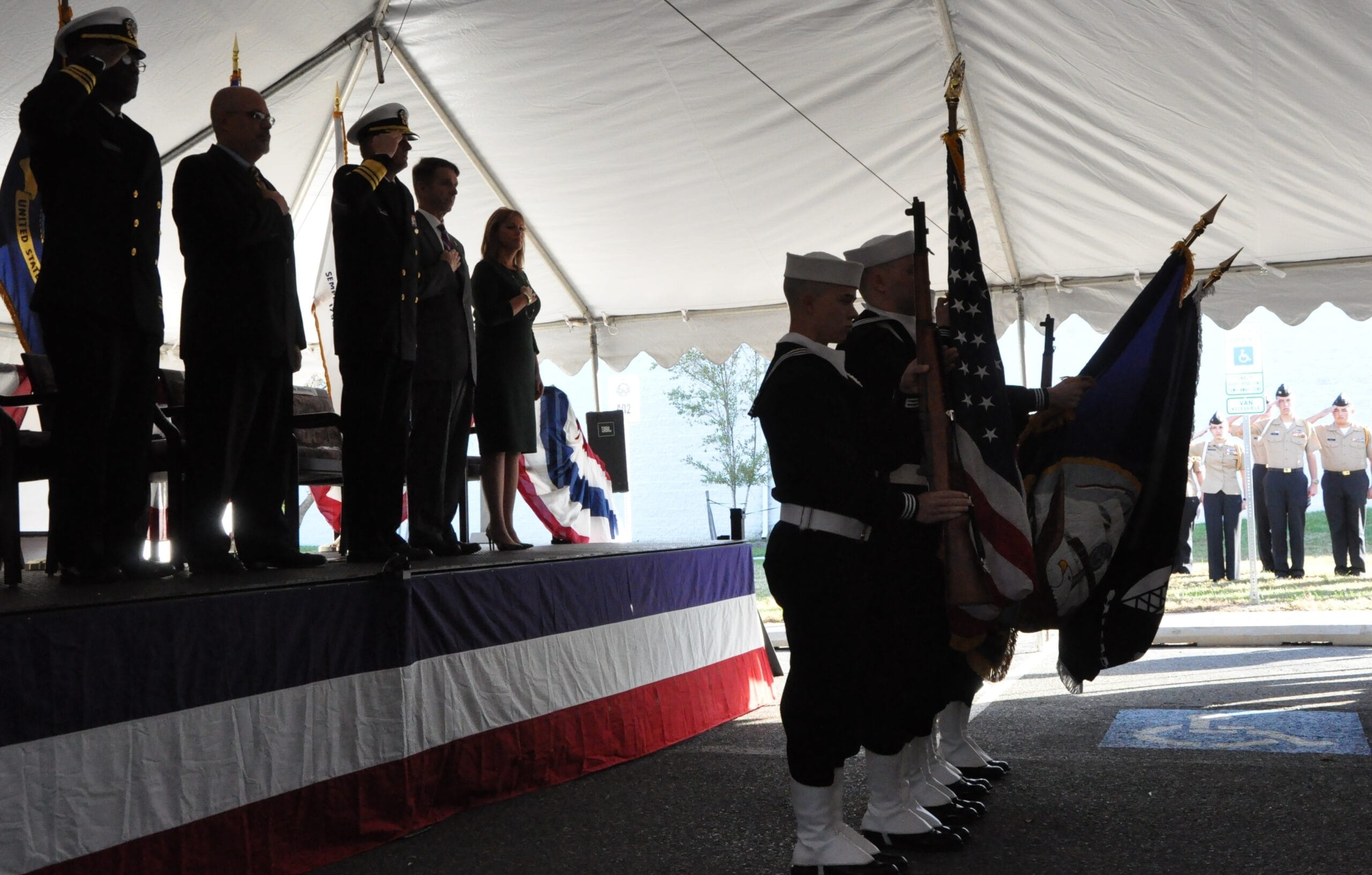
Understanding the Officer Path (Information Warfare Community)
As an officer in the Information Warfare (IW) community, you might serve as an Information Professional (IP) or a Cryptologic Warfare Officer (CWO). The navy officer vs enlisted cyber debate often centers on technical depth versus breadth. In my time, officers did less coding and more policy, planning, and management. A shipmate of mine, an IP, spent his days overseeing network security for a carrier strike group—he didn’t write scripts, but he made sure the right people and tools were in place.
If you love building firewalls and writing Python, the enlisted CWT rating might scratch that itch better. But if you want to shape strategy, lead teams, and eventually run a department, officer is the way. Pay and housing allowances are also significantly better for officers, which matters when you have a family.
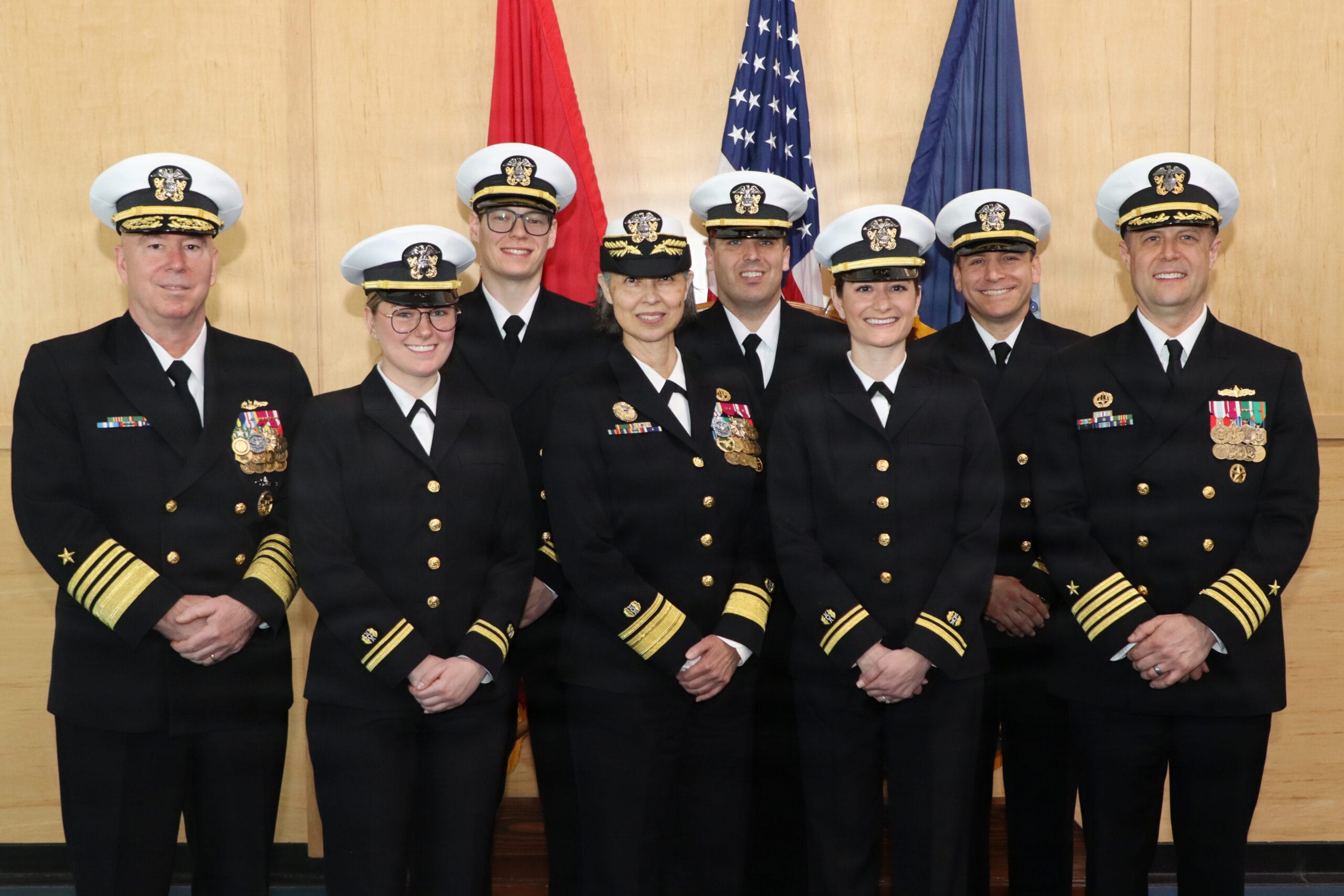
The Enlisted Cyber Route (CWT)
Enlisted Cyber Warfare Technicians (CWT) are the Navy’s cyber operators and analysts. They attend technical schools like JCAC (Joint Cyber Analysis Course) and get deep into intrusion detection, vulnerability assessment, and even offensive operations. The training is world-class, and many CWTs earn certifications like CompTIA Security+ and ITIL (Information Technology Infrastructure Library) early on.
For someone with an IT background who wants to stay technical, the CWT rating can be a fantastic career. However, the trade-off is lower pay and more frequent moves—especially early on. The typical boot camp timeline is about two months, then you head to Pensacola for training that can last a year or more. Your family might plant roots there, only to PCS (Permanent Change of Station) soon after.
Family Life and Stability: Officer vs Enlisted
This is where the navy officer vs enlisted cyber choice really hits home. Officers generally have more predictable schedules and better housing options. As a junior officer, I had my own room on the ship—a luxury compared to many enlisted berthings. Deployments are also similar for both, but officers often have more shore duty opportunities. For cyber communities, both officer (IW) and enlisted (CWT) enjoy more shore assignments than traditional seagoing ratings, but sea duty still exists, especially early on.
For family stability, officer life tends to be easier. The pay is solid enough that a spouse can stay home if needed, and BAH (Basic Allowance for Housing) covers decent off-base housing. That said, I’ve known CWTs with families who managed well—it just required tighter budgeting and more flexibility.
Medical Waivers: What to Expect After Bariatric Surgery
On the medical waiver side, I’ll give you the straight dope—though I’m not a doctor, I’ve seen the process. Bariatric surgery is considered a significant medical history for the Navy. The service generally requires a stable weight for at least one year post-surgery, plus documentation showing no complications (like malabsorption or hernia). Waivers are possible but not guaranteed. In my observation, the Navy tends to be more conservative than the Army or Air Force for such waivers. If you’re set on the Navy, be prepared for a longer wait and gather all medical records, including a letter from your surgeon attesting to your fitness.
For officer programs, waivers are scrutinized at a higher level because OCS requires a commissioning physical. Enlisted can sometimes get waivers more readily, but don’t assume—talk to a recruiter who handles medical waivers specifically. And remember, the Navy OCS Journey has its own medical screening steps, so start early.
Direct Commission Options: CWE and Others
One more option: direct commissioning as a Cyber Warfare Engineer (CWE). This is a rare program for advanced technical experts—typically requiring a STEM degree and deep programming skills. Based on what I know, the CWE assessment is tough and the community is small. The community feedback suggested you likely lack the programming background for that track, but it’s worth verifying with the current CWE program manager.
Alternatively, you could consider the Army or Air Force for cyber roles if the Navy’s medical waiver process becomes a roadblock. Both branches actively recruit for cyber, and their waiver policies can differ.
Final Thoughts: Aligning Your Choice with Your Priorities
At the end of the day, the navy officer vs enlisted cyber decision comes down to what you value most. If technical hands-on work is your passion and you can accept the pay and PCS tempo, enlist as a CWT—it’s a solid career with great training. If you want better family stability, higher pay, and a management track that leverages your IT background, go officer. For your medical waiver needs, be upfront with a recruiter, drive the paperwork, and have a backup plan.
I’ve walked this path and worked alongside both communities. Whichever you choose, the Navy will challenge you, reward you, and teach you lessons you’ll carry for life. Take your time, talk to people in both roles, and make the call that fits your family’s future. Fair winds and following seas.
This post is part of Navy Officer Designators and Career Paths — what each community is actually like, and what its board wants.