
Enlist vs Commission Pilot: The Fork in the Road
Enlist vs commission pilot is a question I get from a lot of young folks who want to fly for the Navy. They’re staring at a mountain of student loan debt, or they don’t have the money for college, and someone told them they can enlist as an AIRR (Aviation Rescue Swimmer) or maybe even a SEAL, use the GI Bill later, and then come back as an officer and fly. It sounds like a plan. It’s not a bad one, but it’s got some serious potholes. Let me walk you through what I’ve seen over the years.
When I was an officer at OCS (Officer Candidate School) in Newport, we had prior enlisted guys in my class. They were squared away, no doubt. But they’d taken the long way around. Most of them had spent four to six years enlisted before they even got to OCS. That’s time you could have spent as a junior officer, building flight hours and leadership experience. The key is to understand what you’re really signing up for.
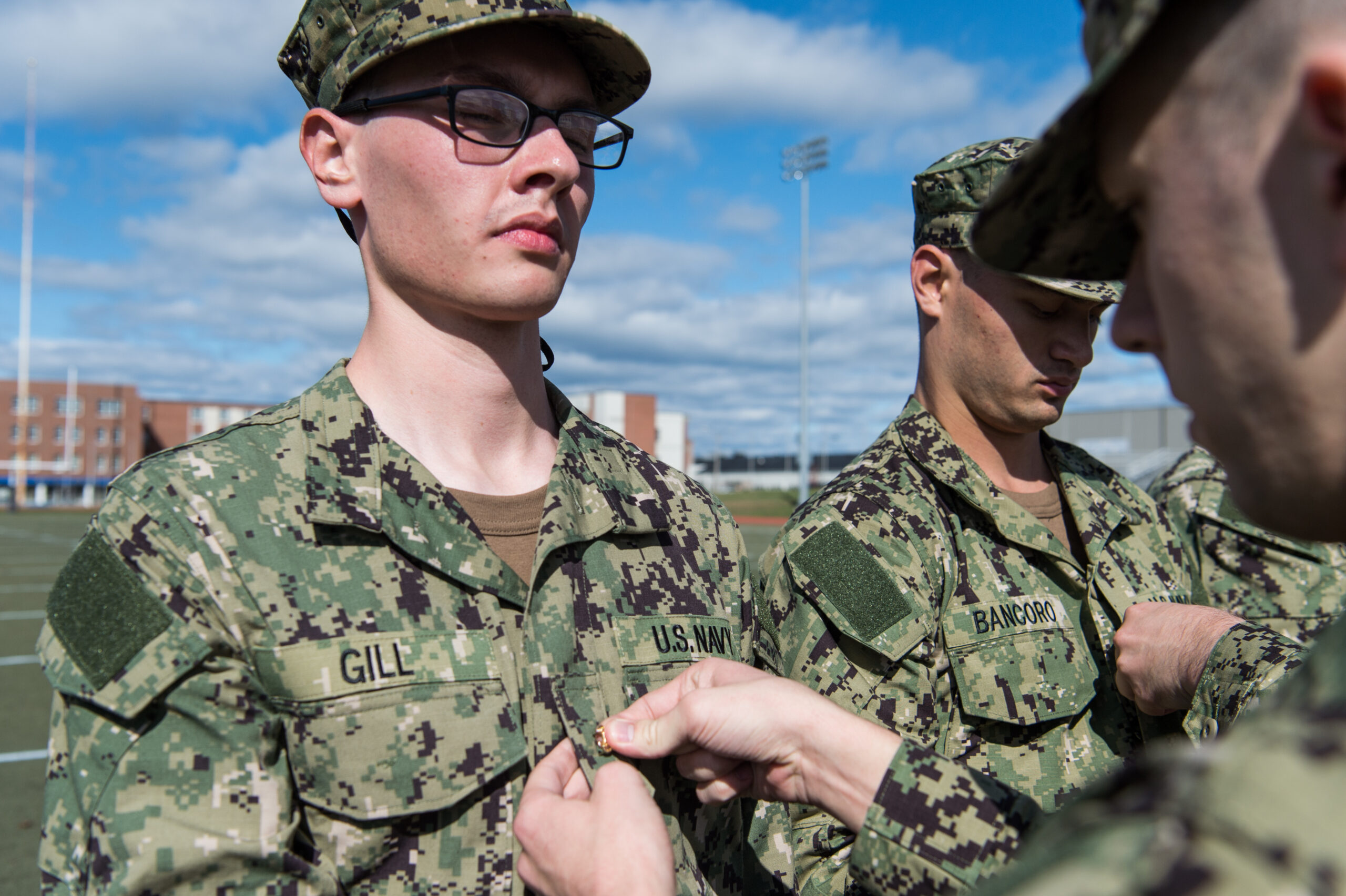
Why Enlisting as a Spec War Rate to Get to Pilot Is a Gamble
Here’s the thing about enlisting into a special warfare rate like AIRR or going for a SEAL contract: the attrition rate is brutal. BUD/S (Basic Underwater Demolition/SEAL training) washes out a huge percentage of candidates. AIRR school isn’t quite as tough, but it’s still spec war (special warfare) – high physical standards, high drop rate. If you wash out, you don’t get to pick a cushy rate. The Navy reclassifies you based on its needs. You could end up as a boatswain’s mate or a cook, and your dream of being a pilot is gone, at least for a while.
Even if you make it through, you’re not guaranteed a commission later. The Navy has programs like STA-21 (Seaman to Admiral) that send enlisted folks to college and then to OCS, but they’re competitive. You’re competing with every other sailor who wants to be an officer, and your performance as an enlisted sailor matters, but it’s not a golden ticket. I’ve seen stellar sailors get passed over because the board needed more nukes that year. It’s not personal; it’s just the needs of the Navy.
And here’s the kicker: even if you do get accepted to OCS, you’re not guaranteed a pilot slot. Your designator (job specialty) is assigned based on your performance at OCS and the needs of the Navy. You could end up as a surface warfare officer or a cryptologic warfare officer like me. That’s a great career, but it’s not flying.
So, enlisting as a spec war rate with the sole goal of becoming a pilot is like buying a lottery ticket. You might win, but the odds are against you.
The Straight Path: Finish Your Degree and Apply for OCS
If your goal is to be a naval officer and a pilot, the most direct route is to finish your bachelor’s degree and apply for OCS. You’ll need to be competitive – good GPA, good ASTB (Aviation Selection Test Battery) scores, and physically fit. The application process takes months, so start early. But once you’re accepted, you go to OCS, and if you’re selected for aviation, you’ll go to flight school. That’s the pipeline.
I remember a kid in my division at OCS who was a prior enlisted nuke. He’d spent six years in the Navy before he got his commission. He was a great guy, but he was ten years older than the rest of us. He’d taken the long way. Meanwhile, I had a friend who came straight out of college, went to OCS, and was flying P-3s by the time he was 25. The direct path gets you there faster.
Now, I get it – college is expensive. But there are ways to pay for it without enlisting. The Navy offers the Loan Repayment Program (LRP) for certain enlisted rates, but that’s for enlisted, not officer. For officers, you can use the GI Bill after you serve, but that doesn’t help you pay for college upfront. However, there are ROTC scholarships and the Naval Academy, which are competitive but can cover your tuition. And if you’re already in college, you can apply for OCS as a civilian – you don’t need prior service.
Financially, enlisting might give you a bonus and pay for college later, but you’re trading years of your life. As an officer, your starting pay is higher, and you’ll be eligible for flight pay once you’re winged. Over a twenty-year career, the difference is significant. Plus, you’ll be doing the job you want from day one, not hoping to get there later.
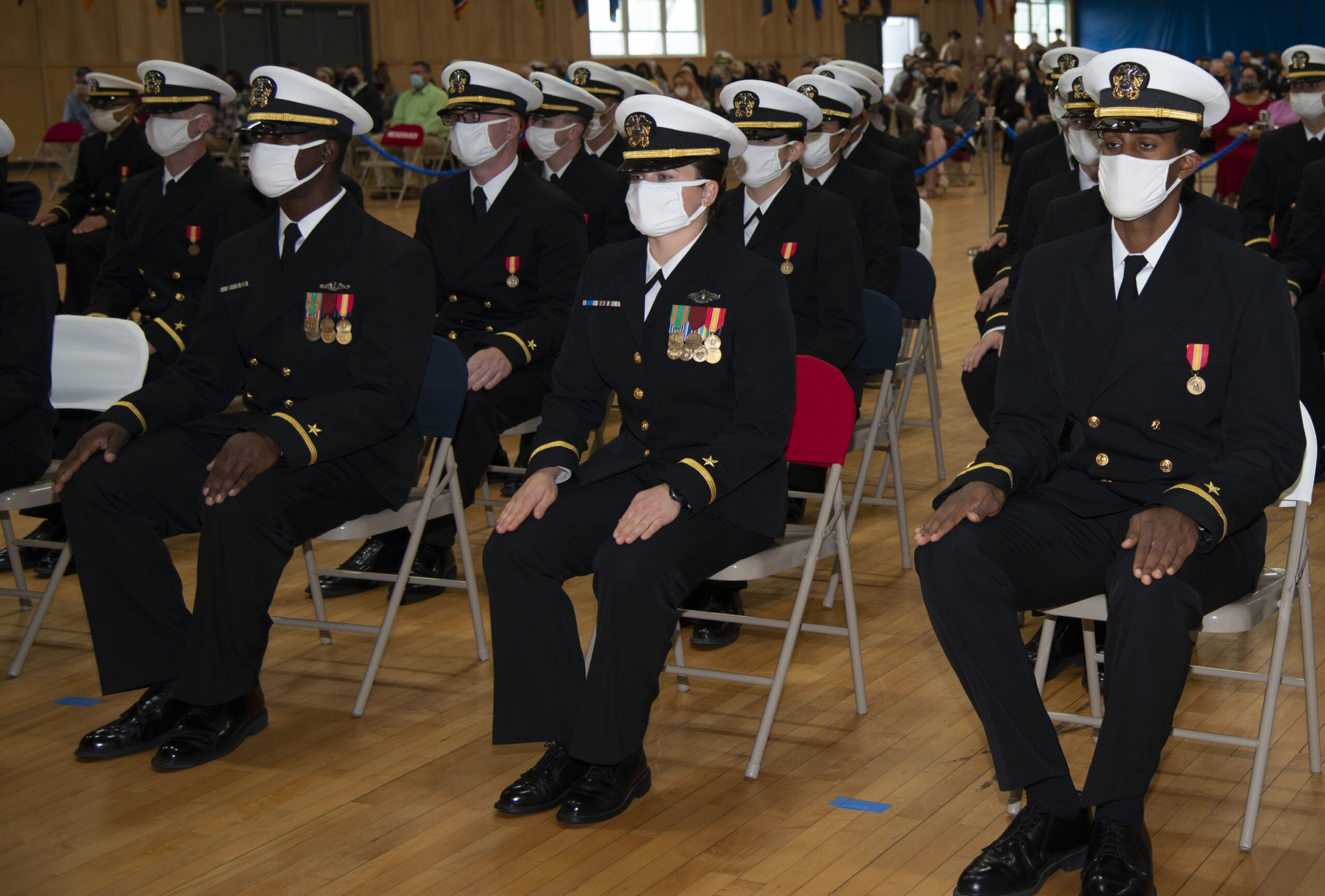
Medical and Lasik: The Hidden Hurdle
One thing that trips up a lot of applicants is vision. If you have less than perfect vision, you might need lasik to qualify for a pilot slot. Here’s the deal: the Navy will pay for lasik if you’re already in the service, but only under certain conditions, and it’s not guaranteed. If you’re a civilian applying for OCS, you have to pay for lasik yourself. That’s a few thousand dollars out of pocket. And you have to wait a certain period after surgery before you can apply for a flight physical.
I’ve seen candidates get their heart set on flying, only to find out they don’t meet the medical standards and can’t afford the surgery. So, if you’re considering this path, start saving now. And don’t think you can hide a medical issue – the Navy will find it, and it’s better to be upfront.
Also, remember that medical waivers are possible, but they’re not guaranteed. The Navy’s needs change, and what was waiverable last year might not be this year. Check the latest guidance from NAMI (Naval Aerospace Medical Institute) or talk to a recruiter who specializes in officer programs.

Making the Call
So, should you enlist as an AIRR to pay for college and then become a pilot? My honest advice: finish your degree first. Apply for OCS directly. If you want to serve and fly, that’s the straightest line. The enlisted path is honorable, but it’s a detour, and it might not get you where you want to go.
That said, if you’re dead set on enlisting for other reasons – like wanting to be a SEAL or a rescue swimmer for the job itself – then go for it. But don’t do it as a backdoor to a commission. It’s a long shot, and you’ll be disappointed if it doesn’t work out.
I’ve seen too many young sailors get stuck in a rate they didn’t want, dreaming of a commission that never came. Don’t be one of them. Do your research, talk to an officer recruiter (not just an enlisted one), and make an informed decision. And if you want more detail on the whole OCS journey, check out the Navy OCS Journey hub on this site – it’s got everything from application to graduation.
Whatever you decide, serving your country is a noble calling. Just make sure you’re on the path that gets you where you want to go. Fair winds.