Last updated: August 16, 2026
From Corpsman to SWO: Navigating the HM to SWO Transition
Transitioning from HM to SWO is a significant career change that many enlisted Hospital Corpsmen consider. When I served as a Cryptologic Warfare Officer, I saw several HMs make the leap to surface warfare officer, and it’s a path with unique challenges and rewards. Whether you’re at the start of your enlisted career or a seasoned HM looking to commission, understanding what lies ahead will help you prepare. Let me break down the key aspects of this transition based on what I observed and learned from shipmates who walked that path.
Understanding the HM to SWO Transition
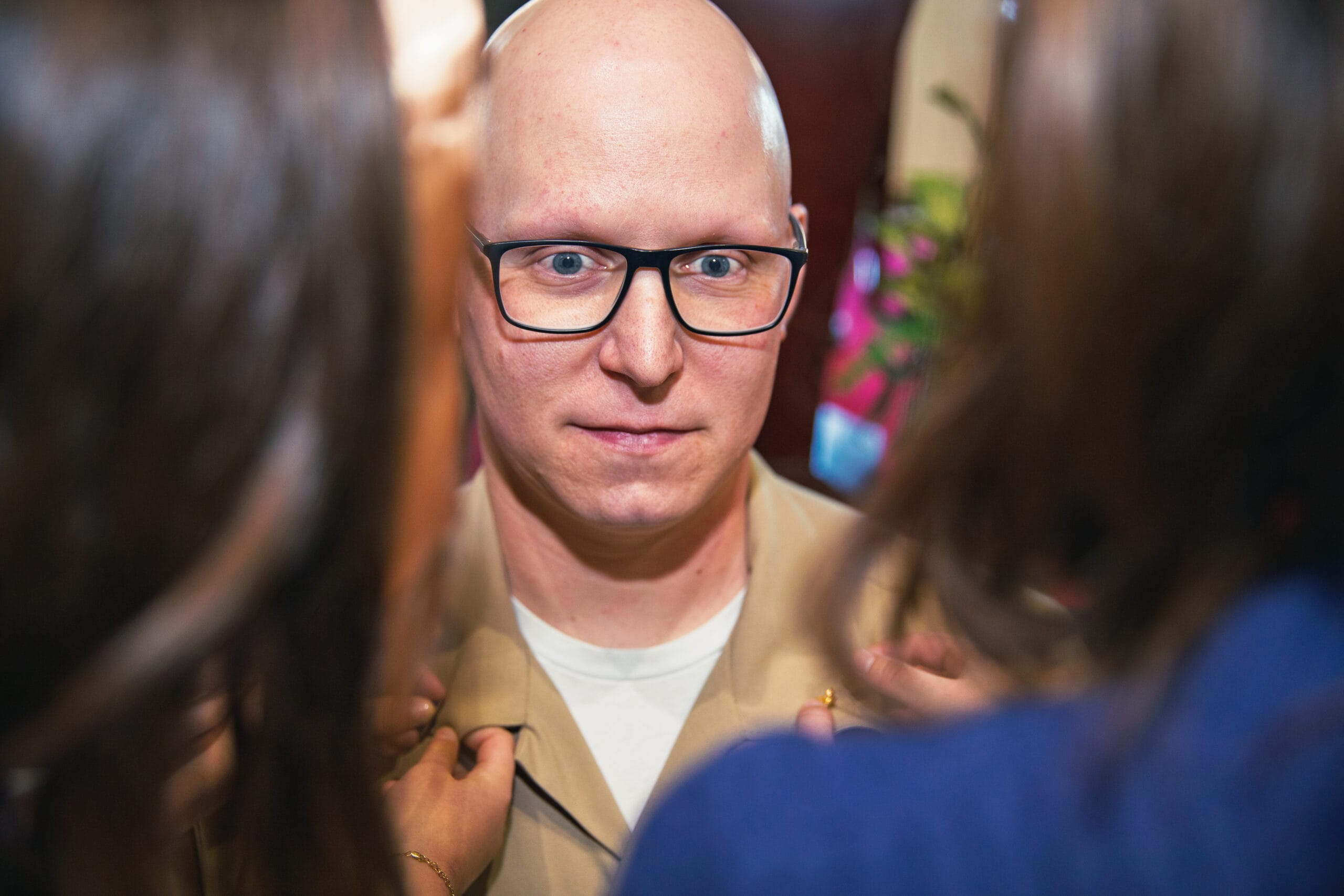
First, the basics: SWO stands for Surface Warfare Officer, an Unrestricted Line (URL) officer who serves on surface ships. As an HM, you’ve learned medicine, compassion, and teamwork in a variety of settings—including with the Fleet Marine Force (FMF). But as a SWO, your primary role shifts to warfighting, ship handling, and leadership of divisions. The transition is jarring. One HM-turned-SWO told me, “In the Corpsman world, you’re saving lives; in the SWO world, you’re managing weapons systems and standing watches. It’s a different kind of pressure.”
Expect a steep learning curve. Your first tour as a SWO will be demanding, with long hours at sea, intense qualification requirements, and a culture that values ship-driving and tactical competence above all. Prior HM experience gives you maturity and leadership skills, but it doesn’t exempt you from earning the surface warfare pin.
- Consult your Command Career Counselor (CCC) early. They can help you navigate the Officer Candidate School (OCS) application process and waivers for age or prior service.
- Find an officer mentor—preferably a SWO—to give you honest advice about the lifestyle and expectations.
- Be prepared for a culture shift: as an officer, you’ll have fewer “sea stories” traditions and more emphasis on professional development and administrative duties.
Culture Shift: Enlisted to Officer
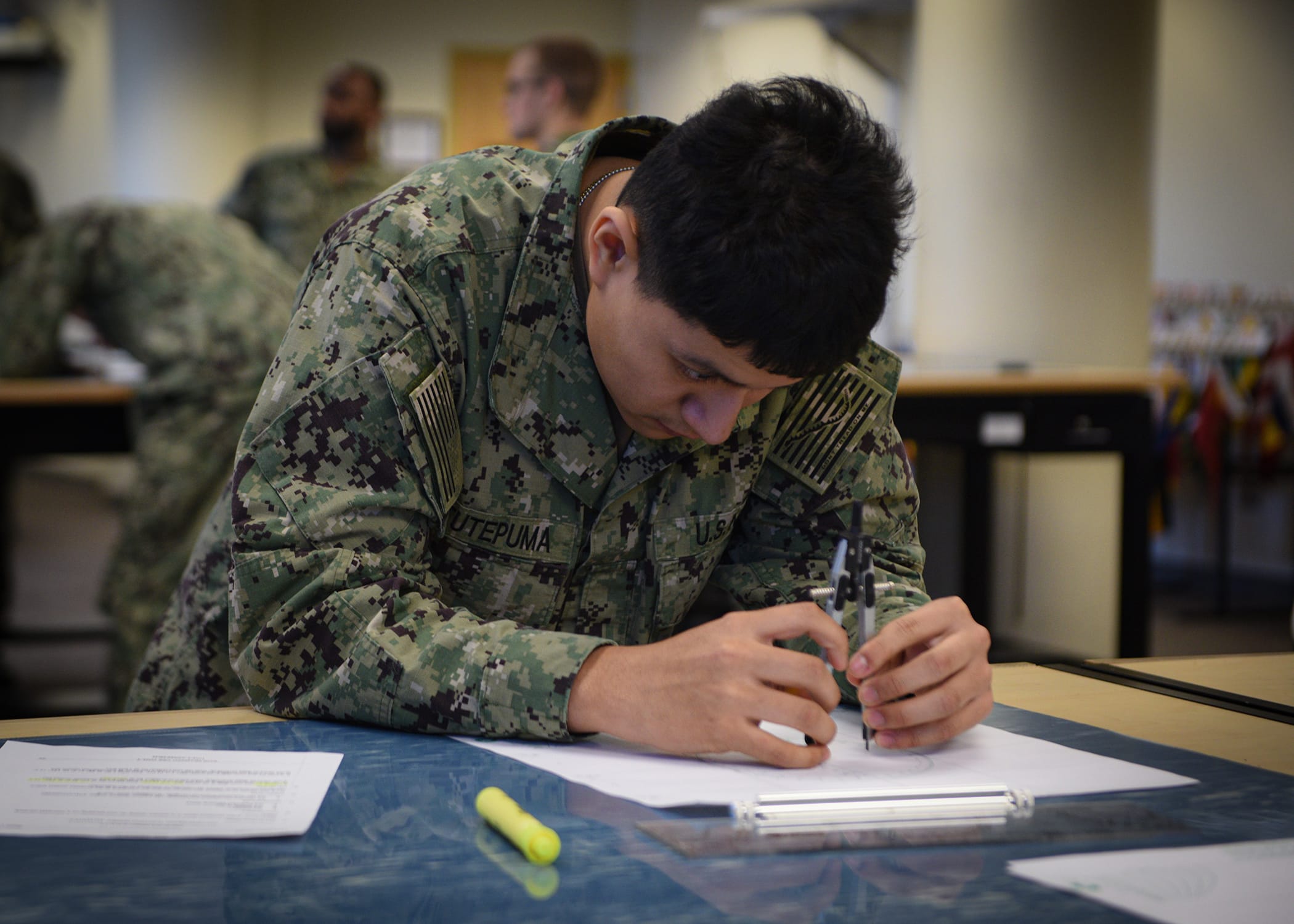
The biggest difference I saw among prior-enlisted officers was the change in camaraderie. Enlisted culture is built on shared hardship and a tight-knit community. As an officer—especially a SWO—you’ll be expected to maintain professional distance. Officer camaraderie exists, but it’s different: more formal, more focused on career networking. One former HM who commissioned as a SWO said, “I missed the closeness of the chief’s mess and the wardroom felt sterile at first.” But he also noted that the respect from junior sailors, knowing you’ve been in their shoes, is invaluable.
Work-life balance takes a hit. Surface warfare officers often deploy for months at a time, with limited communication. If you have a family, discuss the impact openly. Many SWOs—prior enlisted or not—struggle with the tempo. However, your medical background can be an asset in emergency situations onboard, and it earns you trust with the crew.
The Surface Pin is Non-Negotiable
This is crucial: regardless of your FMF pin or any other enlisted qualification, you must earn the surface warfare officer pin (often called the “SWO pin”). It’s a demanding process that involves qualifying in engineering, operations, deck, and combat systems. I’ve seen prior HMs assume their medical experience would give them a leg up, but the board doesn’t care. You’ll stand watches, study for boards, and prove you can fight the ship. Expect two years of intense effort to get that pin. Many officers fail or are disenrolled if they can’t complete it in time.
Platform Options and Career Path
As a prior-enlisted SWO, you may have some input on your first platform—destroyers, cruisers, amphibious ships, or even coastal patrol. But ultimately, the Navy assigns based on needs. Your HM background might steer you toward a ship with a strong medical department, but don’t count on it. The SWO career path is well-defined: division officer, department head, then executive officer and command. Prior service gives you a head start on leadership maturity, but the competition is fierce.
One piece of advice I always give: read up on the SWO community and talk to as many officers as you can. The Navy OCS Journey hub has more details on the application process and what life is like after commissioning. It’s a tough road, but if you’re committed to leading sailors and mastering the surface warfare profession, it’s worth it.
In the end, your HM background gives you a unique perspective. You’ve already learned to handle stress, care for others, and adapt to any environment. Those traits will serve you well as a SWO. Just remember: the transition is a marathon, not a sprint. Stay humble, ask questions, and never forget where you came from. Fair winds and following seas.
This post is part of Navy Officer Designators and Career Paths — what each community is actually like, and what its board wants.