Last updated: August 16, 2026
Navy Commissioning Programs for Prior Enlisted Sailors
Navy commissioning programs offer prior enlisted Sailors a path to a commission, and as an LS2 (Logistics Specialist 2nd Class) with 10 years of service, you’re in a strong position. I’ve seen many Sailors make this leap—some straight from the deck plates, others after a decade or more. The key is understanding your options and timing your application right.
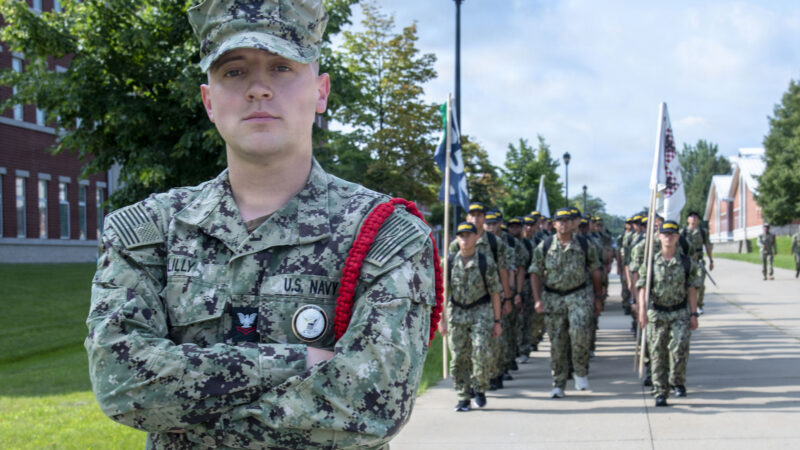
When I was at OCS (Officer Candidate School), there were a handful of prior enlisted in my class. They brought a level of maturity and fleet experience that the rest of us—fresh from college—didn’t have. They knew how to stand watch, how to lead Sailors, and how to navigate the Navy’s bureaucracy. That experience is gold, and the Navy knows it. That’s why programs like the Seaman to Admiral-21 (STA-21) and the Enlisted Commissioning Program (ECP) exist specifically for folks like you.
Choosing the Right Commissioning Program
There’s no one-size-fits-all answer, but here are the main routes you’ll hear about:
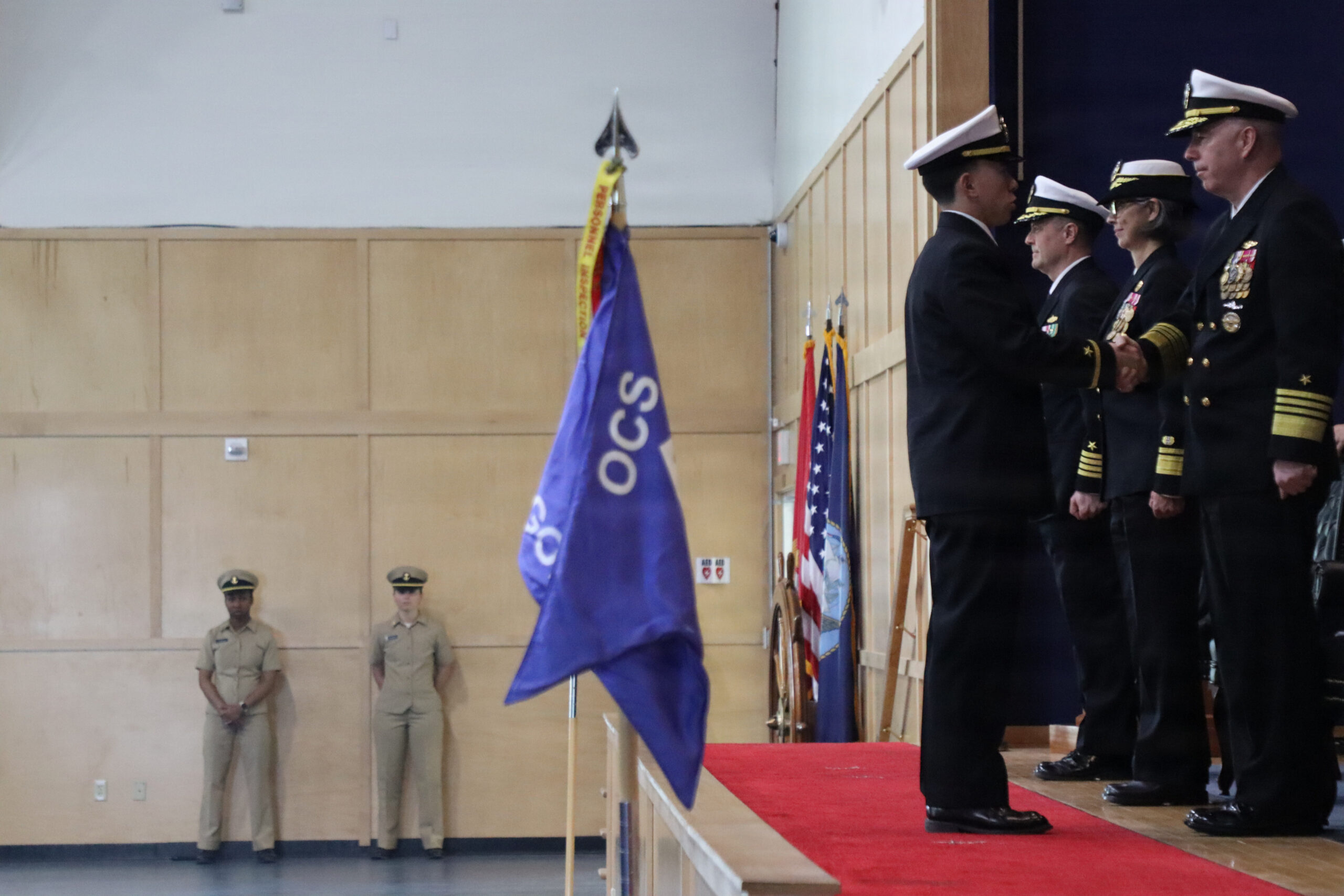
- OCS (Officer Candidate School): This is the most common path for college graduates. You attend 13 weeks of training in Newport, Rhode Island, then commission as an Ensign. If you already have a bachelor’s degree, this is likely your fastest route.
- STA-21 (Seaman to Admiral-21): This program lets you attend college full-time while on active duty, with tuition paid and your pay continuing. You must be accepted into a partner university and maintain good grades. It’s competitive, but it’s a great option if you still need your degree.
- ECP (Enlisted Commissioning Program): Similar to STA-21, but you attend college while still serving, often at a local university. You’ll be in a special status, and the Navy will cover your tuition.
- LDO/CWO (Limited Duty Officer/Chief Warrant Officer): If you want to stay in your technical field—like logistics—this might be a better fit. These programs require 8-14 years of service and a strong enlisted record. You commission as a Chief Warrant Officer or Limited Duty Officer, focusing on your specialty.
As an LS2 with 10 years in, you’re in the sweet spot for LDO/CWO if you want to stay in logistics. But if you’re looking to broaden your horizons, OCS or STA-21 might be the way to go. It really depends on your long-term goals.
Degree First or Apply Now?
This is the big question. In my experience, finishing your bachelor’s degree before applying to OCS is almost always the right move. Here’s why: OCS is designed for college graduates. The curriculum assumes you have that foundation, and the boards—the officers who select candidates—look for that degree as a sign of commitment and intellectual readiness. Plus, if you apply before finishing, you’re competing with a weaker package. I’ve seen Sailors get picked up with a degree in progress, but it’s rare.
That said, if you’re close to finishing—say, within a year—you might consider applying to STA-21 or ECP, which are specifically for degree completion. Those programs pay for your education and give you a guaranteed commission upon graduation. It’s a win-win if you can get selected.
Another thing to consider: your age and time in service. OCS has age waivers, but they’re not guaranteed. The longer you wait, the harder it might be to get a waiver. So if you’re serious about OCS, start working on that degree now. Every semester counts.
Mentorship and the Gouge
Before you do anything, find a commissioning program coordinator at your command. These are officers or senior enlisted who are trained to guide Sailors through the application process. They’ll have the latest gouge (insider tips and requirements) and can answer questions about quotas, deadlines, and waivers. I can’t stress this enough—don’t rely on the scuttlebutt (rumor mill). Get the facts from the source.
Also, read OPNAVINST 1420.1. This is the governing instruction for officer commissioning programs. It’s dense, but it’s the Bible on this topic. It covers eligibility, application procedures, and selection criteria. Your coordinator can walk you through it, but you should know it inside and out.
Finally, seek out mentors who’ve made the transition. I remember a Chief I served with who went LDO. He told me, ‘The hardest part isn’t the test—it’s the mindset shift.’ He was right. As an officer, you’re no longer just responsible for your own work; you’re responsible for the mission and the people. That’s a heavy weight.
Mental Health and Readiness
One thing the community mentioned that I want to echo: address any mental health concerns before you apply. Officer life brings different stressors—more responsibility, longer hours, and the pressure of leading Sailors. If you’re dealing with anxiety, depression, or ADHD, get it managed first. There’s no shame in seeking help; I’ve seen too many officers burn out because they ignored the signs.
Your 10 years of enlisted service have taught you resilience, but the officer track is a different beast. Make sure you’re physically, mentally, and emotionally ready for that leap. It’s not a sign of weakness to take care of yourself—it’s a sign of maturity.
In summary, start by reading OPNAVINST 1420.1, talk to your coordinator, and focus on finishing that degree. Whether you choose OCS or another program, the Navy needs leaders like you. I’ve walked this path, and I can tell you it’s worth it. Best of luck, shipmate.
For more guidance on the entire process, check out the Navy OCS Journey hub on VeteranWiki.
This post is part of Applying to Navy OCS — the full path from eligibility through the board, in reading order.