Last updated: August 15, 2026
Navy Funeral Honors: Honoring Your Veteran’s Service
Navy funeral honors are a time-honored way to show gratitude for your veteran’s sacrifice. When my time came to help a shipmate’s family, I learned that the process is straightforward but requires knowing who to call. This guide will walk you through the steps, from arranging the honors detail to ensuring ribbons and medals are displayed correctly.
Start with the Navy Reserve Center
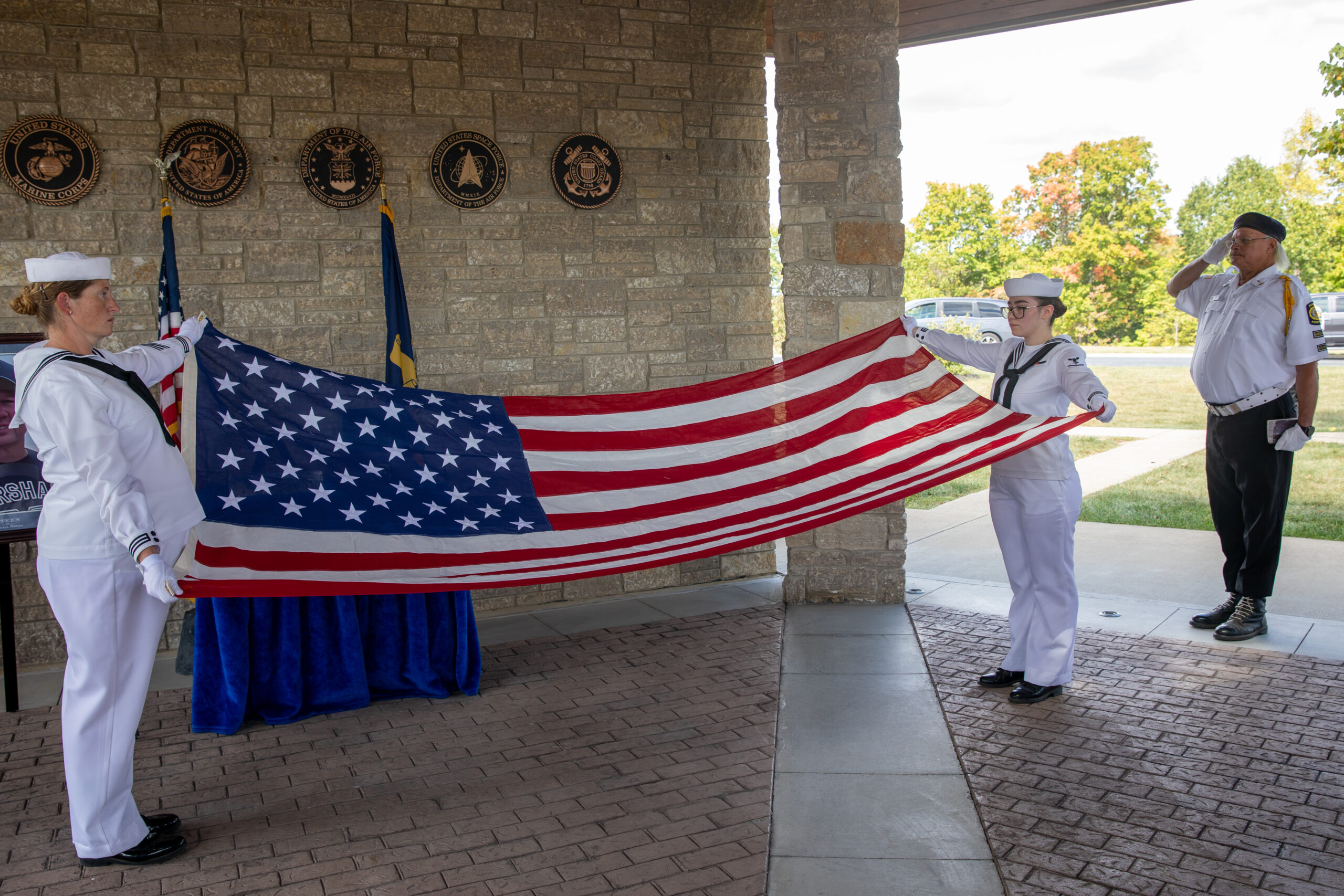
The first call should be to your nearest Navy Reserve Center. They coordinate the funeral honors detail—a team of Navy personnel who perform the ceremonial duties. This includes the playing of taps (often by a live bugler or a recording if a bugler isn’t available), the folding and presentation of the American flag, and a formal thank-you on behalf of the President and the Navy. This service is provided at no cost to the family.
When you call, have your husband’s service information ready: his full name, rank, service number (if available), dates of service, and discharge status. The coordinator will also ask about the date, time, and location of the service. It’s wise to call as early as possible—ideally a few weeks before the funeral—to ensure they can schedule personnel.
Check VA Burial Benefits
Next, contact the Department of Veterans Affairs (VA) to explore burial benefits. If your husband was a Vietnam veteran, he may be eligible for burial in a national veterans cemetery, a government headstone or marker, and a burial flag. If he received a Purple Heart, there are enhanced benefits, including possible burial in a VA cemetery with special recognition. The VA also provides a Presidential Memorial Certificate. Call the VA at 1-800-827-1000 or visit their website to start the process. You’ll need his DD-214 (discharge paperwork) to verify eligibility.
Seek Help from the VFW
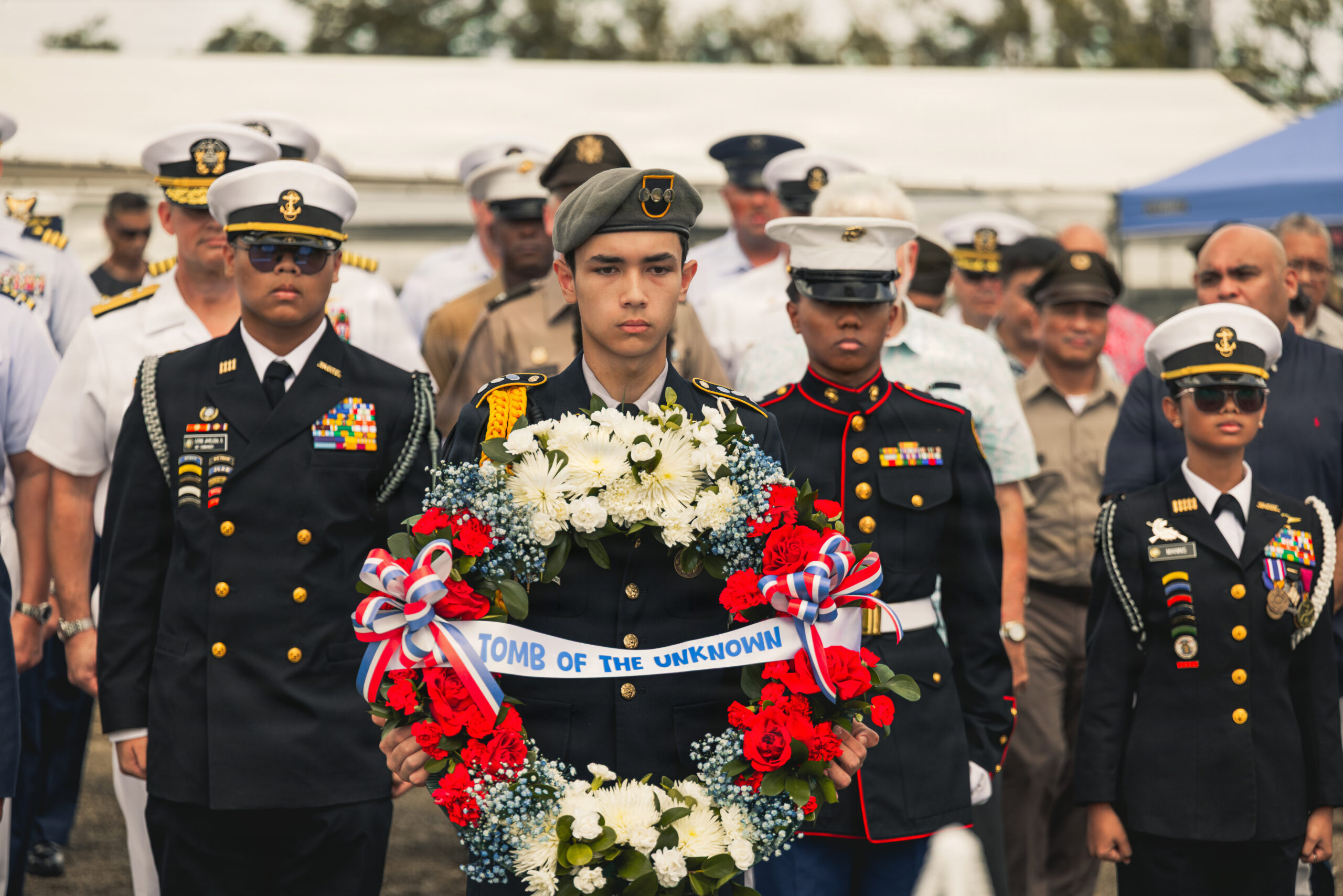
Your local Veterans of Foreign Wars (VFW) post is an invaluable resource. VFW members are veterans themselves and many have experience with funeral honors. They can help you prepare the uniform, ensure ribbons and medals are placed correctly, and even assist with coordinating the honors detail if you’re having trouble. They might also provide a color guard for the service. Don’t hesitate to reach out—they’re there to support veterans’ families.
Proper Ribbon and Medal Placement
When it comes to the uniform, ribbons and medals are worn in a specific order, known as the order of precedence. For a Navy uniform, the ribbons are mounted on a bar and worn above the left breast pocket. Medals are worn on the left side, suspended from a holding bar. The highest award is placed on the top row, farthest from the center of the body. If you’re unsure, a funeral director or VFW member can verify. Also, ensure the uniform is clean and pressed, and that all insignia are properly attached. Many families choose to have the veteran buried in their “dress blues” (the formal uniform), often referred to as burial blues.
For a Vietnam veteran, the Vietnam Service Medal and the Vietnam Campaign Medal are often worn. If he earned a Purple Heart, that takes precedence over most other medals. Remember, the uniform should reflect his service accurately, but don’t stress over perfection—the honor is in the gesture.
Additional Considerations
If your husband was a member of the Cryptologic Warfare community, as I was, you might find that his service was classified. Don’t be concerned—the funeral honors detail is trained to handle such situations with discretion. Also, if you’re planning a burial at sea, that’s a separate process coordinated through the Navy, but the funeral honors detail can still provide the flag and ceremony at the family’s request.
Finally, take care of yourself during this time. The process can feel overwhelming, but you’re not alone. Reach out to family, friends, and veteran organizations. The Navy community takes care of its own, and we’re honored to help you give your husband the send-off he deserves.
For more resources and personal stories, visit the Navy OCS Journey hub. You’ve got this, and we’re here for you.