Last updated: August 11, 2026
Navy OCS Competitiveness: What It Really Takes
Navy OCS competitiveness is a topic that comes up a lot from civilians thinking about applying. When I went through OCS in Newport, I remember a few guys who were convinced that a perfect score on the physical fitness test would guarantee them their dream designator. They were wrong. Here’s the gouge (insider knowledge) on how it actually works.
First, understand that Navy OCS is different from some other branches. You don’t apply to OCS as a generic officer candidate and then compete for a job slot once you’re there. Instead, you apply directly to a specific community—like intel, supply, or finance—and if you’re selected, you commission into that community as long as you pass OCS. That means your competitiveness is determined before you ever set foot in Newport.
So, how competitive are those designators? It varies by year and by community, but as a general rule, the more sought-after communities like intelligence (often called Intel) are more competitive than, say, supply or finance. But here’s the thing: meeting the minimum qualifications on the Program Authorization (the official document listing requirements) is usually enough to be considered. The Navy doesn’t rank candidates by PT score or GPA alone; they look at the whole package.
Let me clear up a myth: physical fitness scores on the Navy PRT (Physical Readiness Test) are not part of your application package. That means your push-ups, plank, and run times don’t make you more or less competitive for a designator. I know that sounds counterintuitive, but the Navy wants officers who are physically fit enough to pass OCS, not marathon runners. The test at OCS only grades three events: planks, push-ups, and a 1.5-mile run. No rucking, no obstacle courses, no crazy endurance events.
So what does that mean for your preparation? Don’t waste months on long-distance rucking or HIIT (High-Intensity Interval Training) that you think will give you an edge in selection. Instead, focus on meeting the standards and being in good enough shape to get through OCS without injury. When I was a candidate, we had a guy who could run a 5-minute mile but couldn’t do a single pull-up (not that pull-ups are even tested). He struggled more than the guy who just trained the actual events.
Now, let’s talk timeline. The application process typically takes about 4 months if you have no waivers needed. That includes putting together your package, taking the ASTB/OAR (the aptitude tests), getting medical clearance at MEPS, and waiting for the selection board. But if you need waivers—for medical issues, age, or certain background things—it can stretch out to 6 months, a year, or even 2 years. I’ve seen applicants get caught in the waiver process for months, so my advice is to start early and get everything squared away (organized) as soon as possible.
One more thing about competitiveness: the Navy is looking for officers who can lead, think critically, and represent the service well. Your college GPA, major, and any leadership experience matter more than your 5k time. For intel, they want people with strong analytical skills; for supply, they want logistics-minded folks; for finance, they want number-crunchers. But the common thread is that you need to be a well-rounded person who can pass OCS.
If you’re serious about applying, my best advice is to talk to a Navy officer recruiter early. They’ll give you the current gouge on which designators are hot and what the boards are looking for. And remember, the Navy OCS Journey is a marathon, not a sprint. Stay patient, stay fit, and keep your eye on the prize.
How Direct Community Selection Works
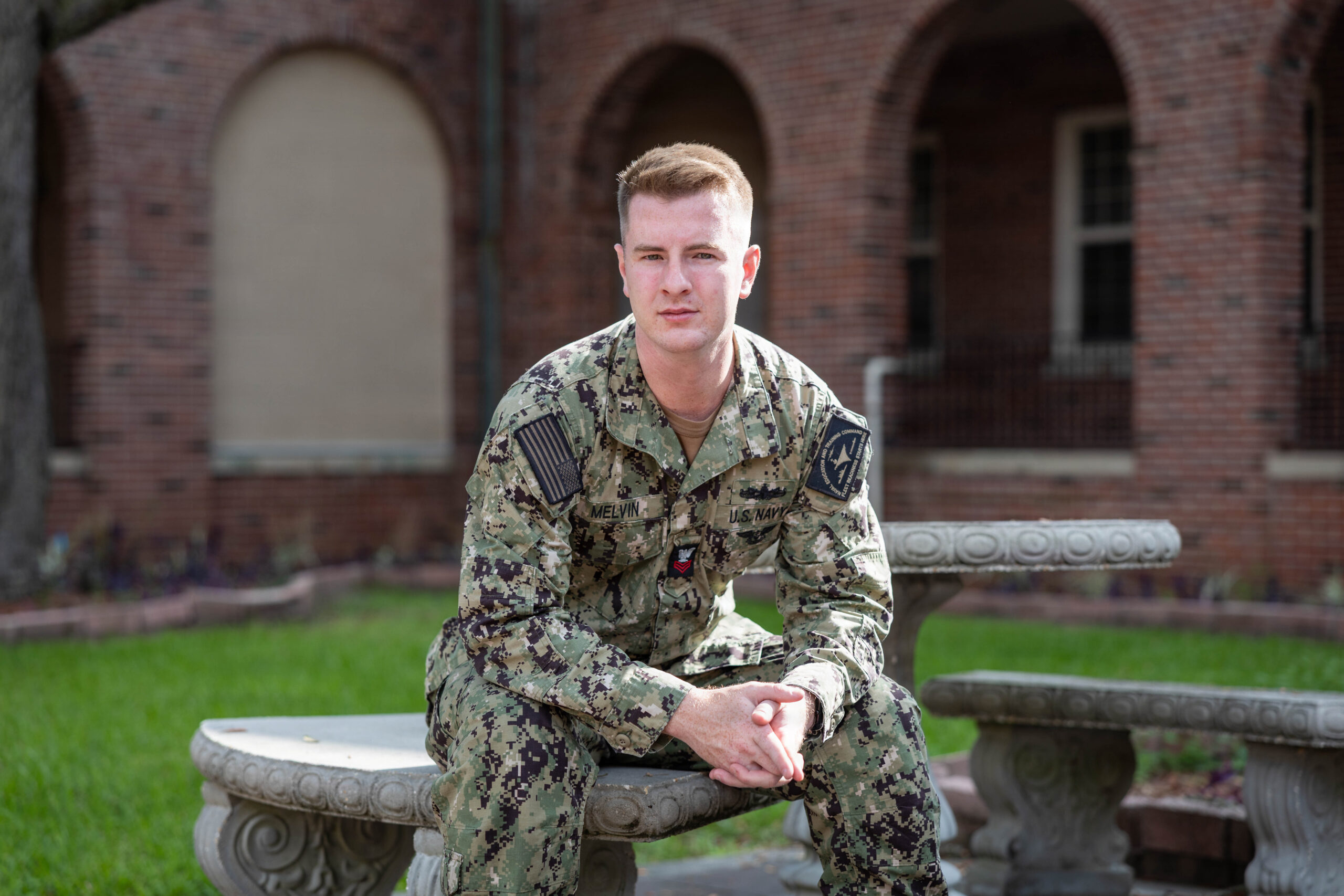
In the Navy, your job is called your designator. When you apply for OCS, you pick a designator—like 1810 for Cryptologic Warfare (my own community), 1630 for Intel, 3100 for Supply, or 3100 for Finance (actually, finance is a subspecialty of Supply). Your application goes before a selection board that decides whether to offer you a spot in that specific community. If you’re selected, you go to OCS knowing exactly what you’ll be doing after commissioning.
This system means that competition is at the application stage, not at OCS. Once you’re there, everyone is in the same boat—trying to pass the physical and academic challenges. There’s no “vying for top pick” like in some other branches. That takes a lot of pressure off, but it also means you need to be confident in your designator choice before you apply.
PT Standards: What You Actually Need to Pass
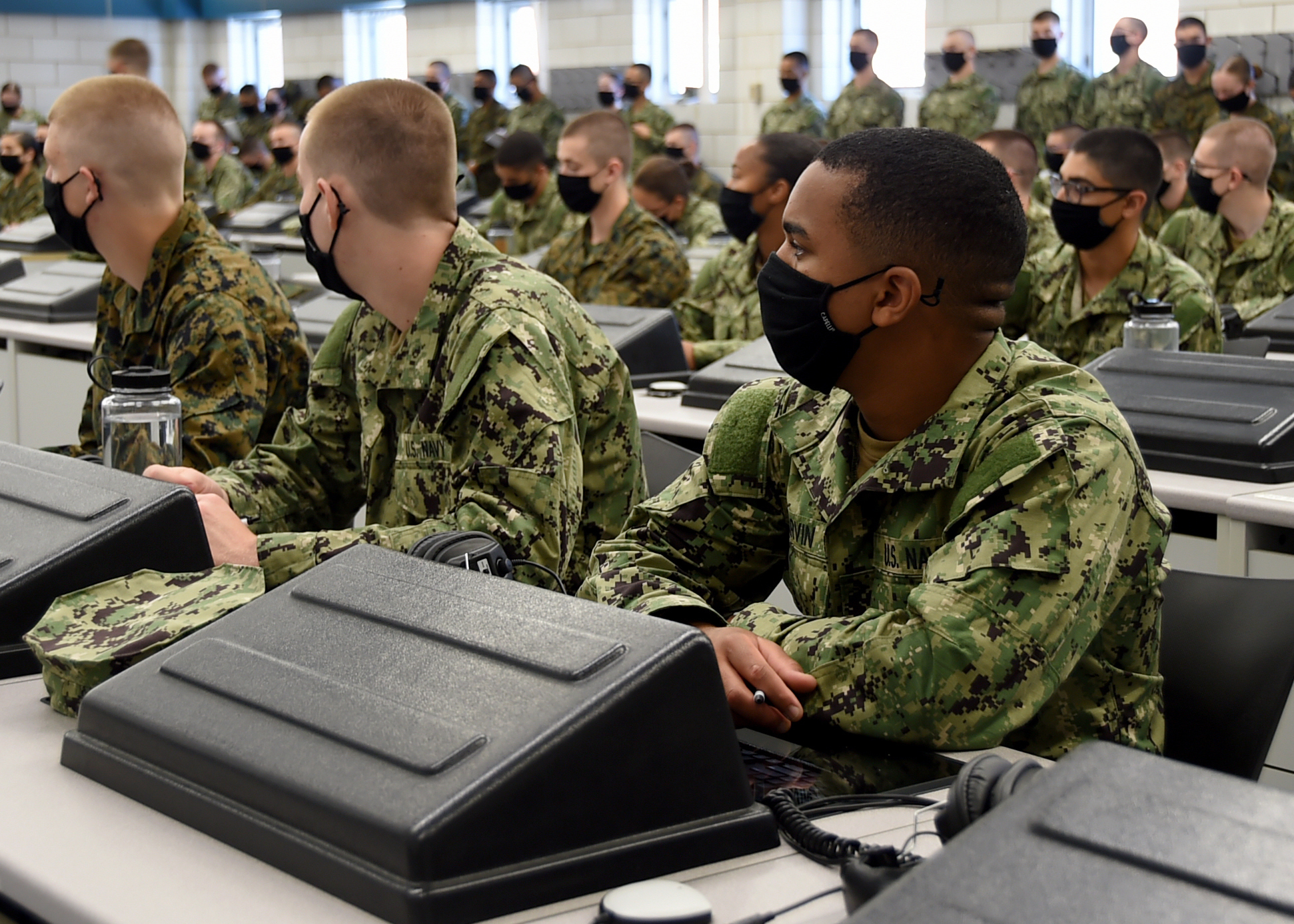
The Navy PRT (Physical Readiness Test) at OCS is straightforward. You’ll do push-ups (as many as you can in two minutes), a plank (hold as long as you can), and a 1.5-mile run. That’s it. The standards vary by age and gender, but they’re not extreme. For example, a 25-year-old male needs about 42 push-ups, a 1:40 plank, and a 12:30 run to get a “satisfactory medium” score. Don’t quote me on exact numbers—they change—but that gives you an idea.
Because PT scores aren’t in your application package, your focus should be on passing, not excelling. That said, being in good shape will make OCS much easier on your body. I remember the shock of the first few weeks—lots of running, lots of push-ups, and not much sleep. If you show up already able to pass the PRT comfortably, you’ll have more energy for the academic and leadership challenges.
Application Timeline: From Start to OCS
Here’s a rough timeline based on my experience and what I’ve seen with applicants: Month one, you contact a recruiter and start your paperwork. Month two, you take the OAR (Officer Aptitude Rating) or ASTB (Aviation Selection Test Battery) if you’re going aviation. Month three, you go to MEPS for medical screening. Month four, your package goes to the board. If selected, you might ship out within a few months. But if you need waivers, add time. I’ve known people who waited over a year for a medical waiver.
My advice: don’t wait until you’re “ready” to start. The process has enough delays on its own. Start now, and keep in touch with your recruiter regularly. And don’t be afraid to ask questions—recruiters are used to it.
Final Thoughts
Navy OCS competitiveness isn’t about being a super-athlete; it’s about being a solid candidate with good academics, leadership potential, and the drive to serve. If you meet the minimums and you’re passionate about your chosen community, you have a real shot. I’ve seen candidates with average GPAs get selected because they had great letters of recommendation and a clear sense of purpose.
So, if you’re thinking about applying, go for it. The worst they can say is no, and if they do, you can always reapply. The Navy needs good officers, and you might be one of them. Fair winds and following seas.
This post is part of Applying to Navy OCS — the full path from eligibility through the board, in reading order.