Last updated: August 16, 2026
Intel Officer Sea Duty: What OCS Candidates Need to Know
Intel officer sea duty is a common question among OCS candidates considering the 1830 (Navy Intelligence Officer) designator. The short answer is yes—intelligence officers absolutely can and do go to sea. But the path to getting there, and how much time you actually spend underway, is different from what you might expect. Let me break it down from my perspective as a retired officer who served alongside many sharp intel officers.
I was a Cryptologic Warfare Officer (1810), so our communities often work hand-in-hand. I saw firsthand how 1830s are assigned to ships and staffs, and I heard plenty of scuttlebutt (informal talk) about how to work the system. Here’s the gouge (the insider knowledge) on getting sea duty as an intel officer.
How Sea Duty Works for Intelligence Officers
First, understand the difference between sea duty (assignments aboard ships or deployable staffs) and shore duty (land-based roles at bases, agencies, or schools). Every officer, regardless of designator, rotates through both. For 1830s, the typical pattern is a sea tour followed by a shore tour, then back to sea—but the exact timing depends on your career path.
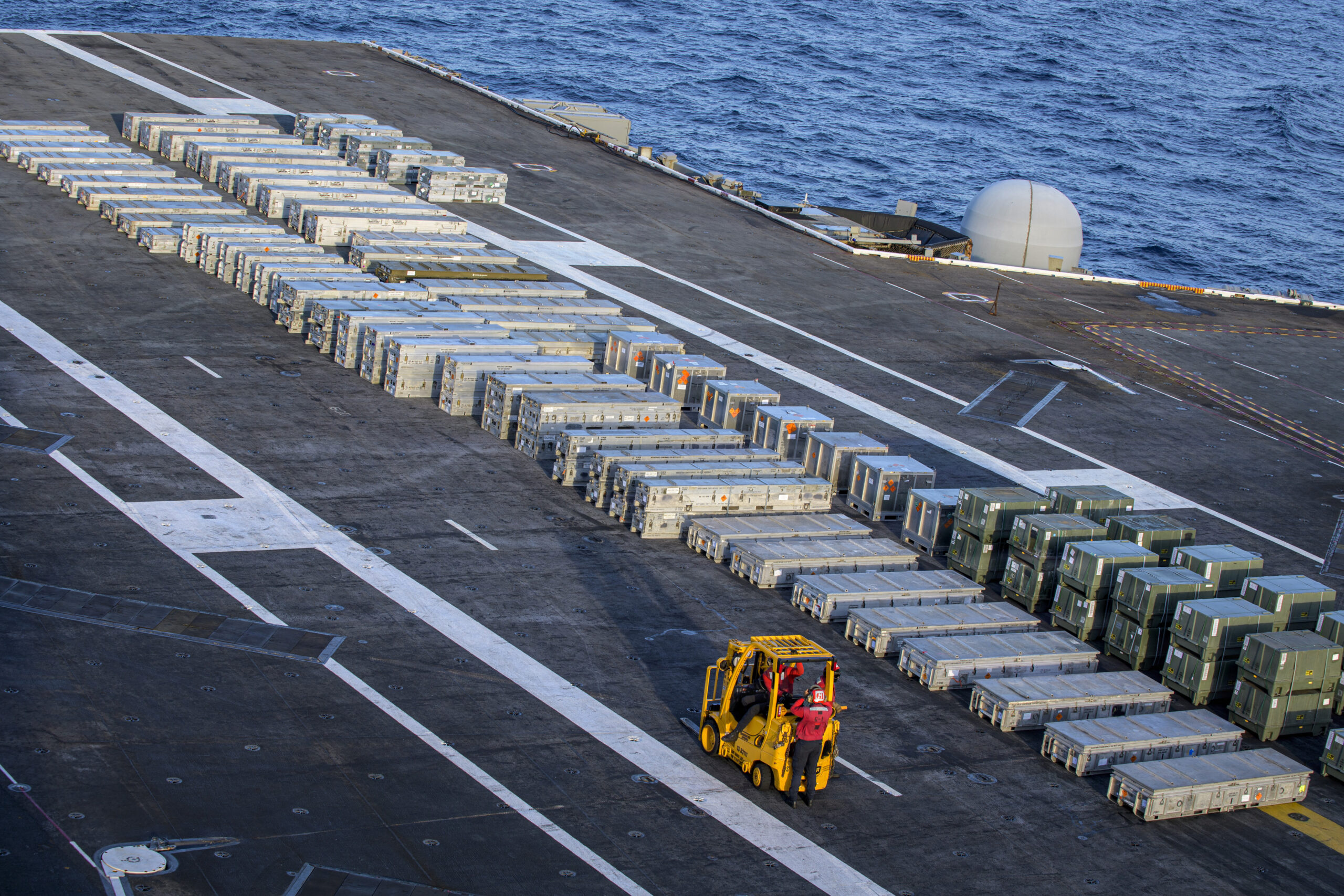
Intel officers are assigned to billets (specific jobs) on aircraft carriers, amphibious assault ships, destroyers, and even submarine staffs. They serve as the ship’s intelligence officer, analyzing threats, briefing the captain, and supporting strike planning. So yes, you can definitely spend significant time at sea—often multiple deployments—if that’s what you want.
But here’s the catch: you won’t be at sea as much as a SWO (Surface Warfare Officer). SWOs spend the majority of their early career underway, while intel officers typically have a healthier mix. That said, many intel officers I know spent more than half their career at sea because they actively pursued those billets.
How to Pursue Intel Officer Sea Duty
Your ability to choose sea duty largely depends on your detailer—the officer who assigns your next set of orders. When it’s time for a new assignment (typically 18–24 months before your current tour ends), you’ll fill out a “dream sheet” of preferences. If you want sea duty, you must make that crystal clear.
Here’s a secret many junior officers don’t realize: sea billets are often easier to get because a lot of officers prefer shore duty—especially those with families or who want to avoid deployment tempo. So if you’re willing to go to sea, you’ll likely have your pick of the best ships and locations. The detailer’s goal is to fill every billet, and they’re usually happy to accommodate someone who wants the less popular option.
That said, you can’t stay at sea forever. The Navy requires periodic shore duty to develop your staff skills, attend schools, and give you a break from the operational grind. For intel officers, a typical timeline might be: first tour at a sea billet (2–3 years), second tour at a shore command (like the Office of Naval Intelligence or a joint task force), then back to sea. By my calculations, you could easily pull 50% or more sea time over a 20-year career if you chase it.
Balancing Sea and Shore Duty as an 1830
One major perk of being an intel officer at sea: you generally get better sleep than your SWO counterparts. SWOs stand watch constantly, run engineering drills, and handle ship driving. Intel officers, on the other hand, work more predictable hours (often 8–12 hour days) and aren’t on a watch bill 24/7. That doesn’t mean you won’t work hard—deployments are still long and stressful—but your quality of life underway is usually higher.
Another consideration: when you’re an intel officer on a ship, you’re part of the wardroom (the officer mess) but you also have a unique role. You’ll be the go-to person for threat briefs and mission planning, which can be incredibly rewarding. Many intel officers I served with loved the operational impact they had at sea.
If you’re an OCS candidate weighing designators, know this: Intelligence (1830) gives you a solid mix of sea and shore, and if you want a blue-water career, you can absolutely have it. I’ve seen 1830s command ships’ intelligence departments, serve as executive officers on shore commands, and even become career sea-duty specialists.
For more on the overall process, check out the Navy OCS Journey hub—it covers everything from applying to commissioning.
Final Thoughts on Intel Officer Sea Duty
Don’t believe the myth that intelligence officers are stuck behind a desk. If you want sea duty, you can get it. Just be proactive with your detailer, keep your preferences updated, and be willing to go where the Navy needs you. The 1830 community is tight-knit, and many of the best intel officers I knew logged serious sea time—and loved it.
Whatever you decide, good luck at OCS. Stay motivated, keep studying the gouge, and never forget why you wanted to serve.
This post is part of Navy Officer Designators and Career Paths — what each community is actually like, and what its board wants.