
Last updated: August 16, 2026
Navy Officer Commissioning for Army Veterans: What You Need to Know
If you’re an Army veteran with a VA disability rating wondering about navy officer commissioning, you’re not alone. I’ve had several prior-service shipmates come through Officer Candidate School (OCS) in Newport, and they often ask the same question: “Can I do this, and what designator (job) should I pick?” The short answer is yes—it’s possible—but there are some important twists. Let me walk you through what I’ve seen and learned.
Eligibility and the VA Disability Factor
First, let’s talk about the elephant in the room: your VA disability rating. The Navy, like all branches, has medical standards for commissioning. If your disability is rated at 30% or higher, you’ll likely need a waiver—and waivers are possible but not guaranteed. I’ve known Army vets with ratings in the 20-30% range who successfully commissioned as Navy officers. The key is to be upfront with your recruiter and get a consult at MEPS (Military Entrance Processing Station). Each case is individual, so don’t self-eliminate. Talk to a General Officer (GENOFF) recruiter—they specialize in officer programs and know the ins and outs of medical waivers.
Another thing: if you’re already receiving VA disability compensation, you’ll need to understand how that interacts with active duty pay. You can’t double-dip—you’ll have to waive your disability pay while on active duty. But that’s a manageable paperwork step. Your recruiter and finance office can guide you.
Which Designator Should You Consider? The Supply Corps Angle
This is where the community’s advice comes in. Many folks pointed you toward Supply Corps (SUPPO), and I think that’s solid guidance for an Army vet. Here’s why: Navy supply is very different from Army supply. In the Army, supply often means managing logistics in a tactical environment—think convoys, field trains, and Class IX (repair parts) under fire. Navy supply is more like running a small business at sea: ordering food, fuel, repair parts, and managing a budget. Supply Officers (SUPPOs) on a ship handle everything from the ship’s store to the “scuttlebutt” (water fountains) to fresh provisions.
Community members also noted that Supply Officers are generally happier than some other designators. From what I’ve seen, that’s true—SUPPOs tend to have a better work-life balance than, say, Surface Warfare Officers (SWOs). SWOs are the ship drivers—they stand a lot of watch, deal with intense operational tempo, and often have longer hours. If you’re coming from the Army with prior service and maybe a family, SUPPO could be a smarter quality-of-life choice.
Other Designators to Consider
That said, don’t limit yourself. You could also look at Intelligence Officer (1830), Information Warfare Officer (1810, my old designator), or even Human Resources Officer (1200). Each has different physical demands and advancement paths. For example, Information Warfare jobs are less sea-intensive than SWO or Supply, but they require strong academic credentials and often a security clearance. As an Army vet, you may already have a clearance, which is a big plus.
- Supply Corps (3100): Good work-life balance, business/logistics focus.
- Surface Warfare Officer (1110): High operational tempo, many sea tours.
- Intelligence Officer (1830): Less sea time, requires strong writing/analysis.
- Cryptologic Warfare Officer (1810): Technical signals intelligence, limited sea duty.
Competitiveness varies by year and your background. Prior service and a solid ASVAB or ASTB score can help, but you’ll still need a strong application—letters of recommendation, a compelling personal statement, and good fitness scores. Don’t underestimate the physical test: the Navy’s Physical Readiness Test (PRT) includes push-ups, sit-ups, and a 1.5-mile run. As an Army vet, you’re probably comfortable with PT, but the standards are different. Start training now.
How to Get Started: The GENOFF Recruiter
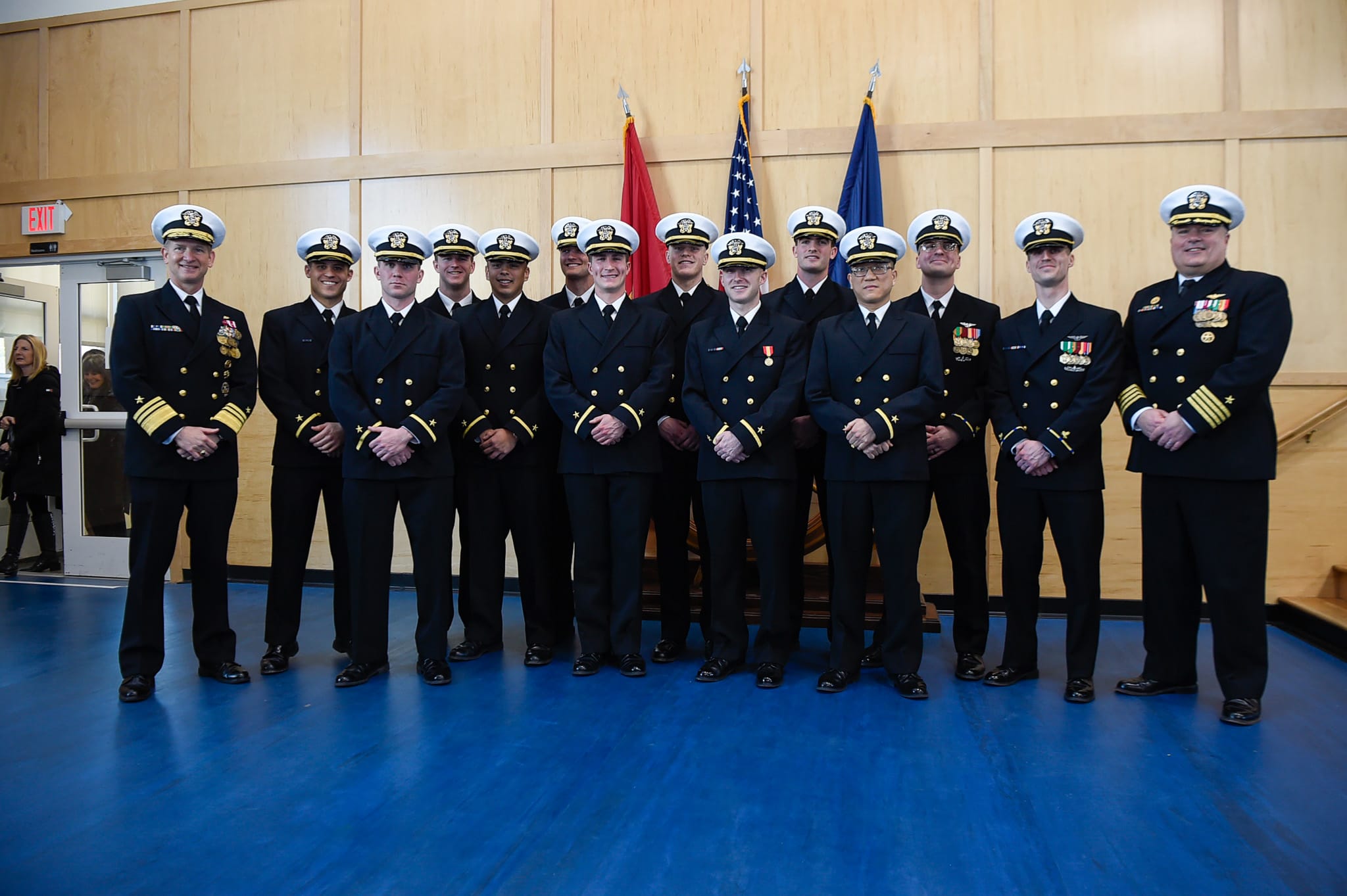
Your first step is to find a GENOFF recruiter (General Officer recruiter—these are the folks who handle officer applications, not the enlisted recruiters). Not all recruiting offices have one, so you may need to call around or find one online. They’ll help you navigate the application process for OCS, which includes the ASTB (Aviation Selection Test Battery) or OAR (Officer Aptitude Rating)—similar to the ASVAB but designed for officers.
The community emphasized talking to a GENOFF recruiter to get the “gouge” (insider info) on which designators are currently accepting prior-service applicants and what the selection rates look like. This changes quarterly, so don’t rely on—you guessed it—a retired officer’s article from 2023. That said, Supply Officer has historically been a strong path for prior service because the Navy values logistics experience.
A Note on Age and Service Obligations
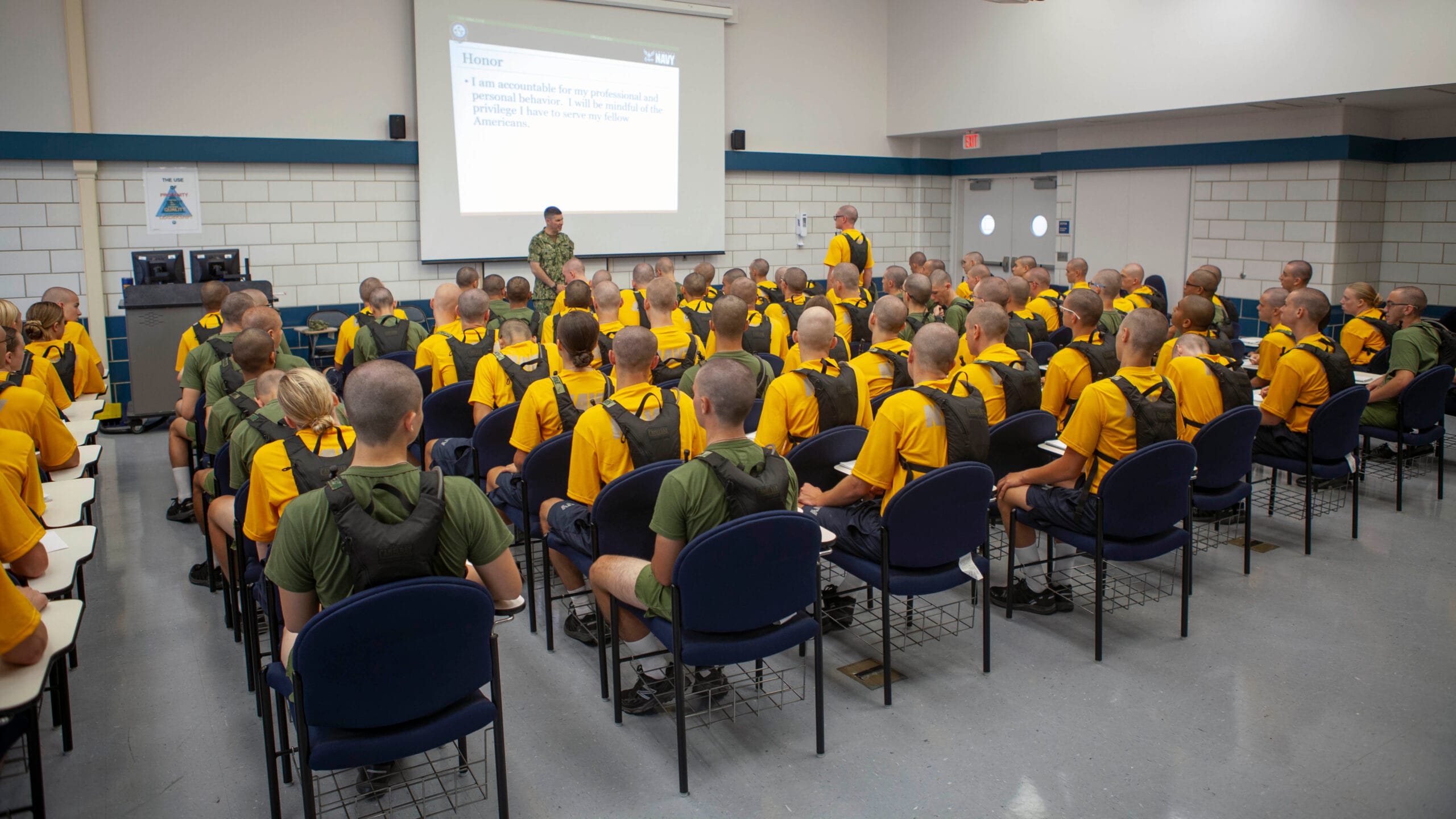
One thing that trips up some prior service applicants: age waivers. The Navy generally requires you to commission before your 42nd birthday, but waivers are possible for prior service. If you’re over 35, be ready to justify your motivation and physical fitness. Also, remember that OCS is about 13 weeks in Newport, Rhode Island. It’s tough—I won’t sugarcoat it—but prior service candidates often have a leg up because they already understand military discipline and the “hurry up and wait” culture.
Finally, if you’re looking for more comprehensive guidance, check out the Navy OCS Journey hub on this site. It covers the full process from application to graduation.

Final Thoughts
Transitioning from Army enlisted to Navy officer isn’t just possible—it’s a path many have walked before you. Your prior service gives you maturity and perspective that crusty (seasoned) OCS instructors appreciate. The VA disability rating is not a showstopper; it’s just a box to check with a medical waiver. Talk to a GENOFF recruiter, explore Supply Officer and other designators, and start working on your application today. The Navy needs good officers, and you’ve already proven you can serve. Fair winds and following seas.
This post is part of Applying to Navy OCS — the full path from eligibility through the board, in reading order.