
Last updated: August 16, 2026
Your Naval Flight Officer GPA: What the Board Actually Sees
When I was going through Officer Candidate School (OCS) in Newport, one of my classmates was a Physics major with a 3.0 GPA. He was convinced his transcript would sink his chances of becoming a Naval Flight Officer (NFO). But here’s the truth: your naval flight officer GPA is just one piece of the puzzle. Selection boards weigh a lot of factors, and your GPA—especially a solid 3.0 in a tough STEM major—is rarely the dealbreaker you fear it is. I’ve seen plenty of candidates with similar grades earn their wings. The secret? Focus on what you can control: the ASTB.
The ASTB Matters More Than Your Naval Flight Officer GPA
The Aviation Selection Test Battery (ASTB) is the standardized test for all aviation applicants—pilots and NFOs alike. It measures your math, science, reading, and spatial awareness, plus a flight simulator portion. In my experience, a high ASTB score can overshadow a middling GPA. The board sees your GPA as a measure of academic discipline, but the ASTB shows your aptitude for aviation-specific tasks. If you crush the ASTB, your 3.0 in Physics becomes a “hey, this candidate can handle a tough curriculum and also excels at the test that matters most” story.
Your Physics Degree Is an Asset, Not a Liability
Physics is a rigorous STEM major. Selection boards know that a 3.0 in Physics often represents more intellectual grit than a 4.0 in an easier field. I spoke with a retired NFO captain who said, “We love STEM majors—they tend to grasp the technical aspects of flight systems faster.” Your degree signals that you can handle the engineering-heavy curriculum at Naval Flight Officer School. Don’t let a few low grades—even a D or two—convince you that you’re out of the running. Talk to an officer recruiter; they’ll look at your whole package.
What Recruiters Look For Beyond the Transcript
Your application package includes your GPA, ASTB scores, personal statement, letters of recommendation, and a physical fitness assessment. Recruiters want to see that you’ve challenged yourself and bounced back from setbacks. If you retook a tough class and improved, highlight that. More importantly, demonstrate leadership through extracurriculars, jobs, or volunteer work. One of my shipmates in the cryptologic community had a 2.9 GPA in Computer Science but aced the ASTB and had strong recommendations. He’s now flying P-8s as an NFO.
The Path Forward: From Application to OCS
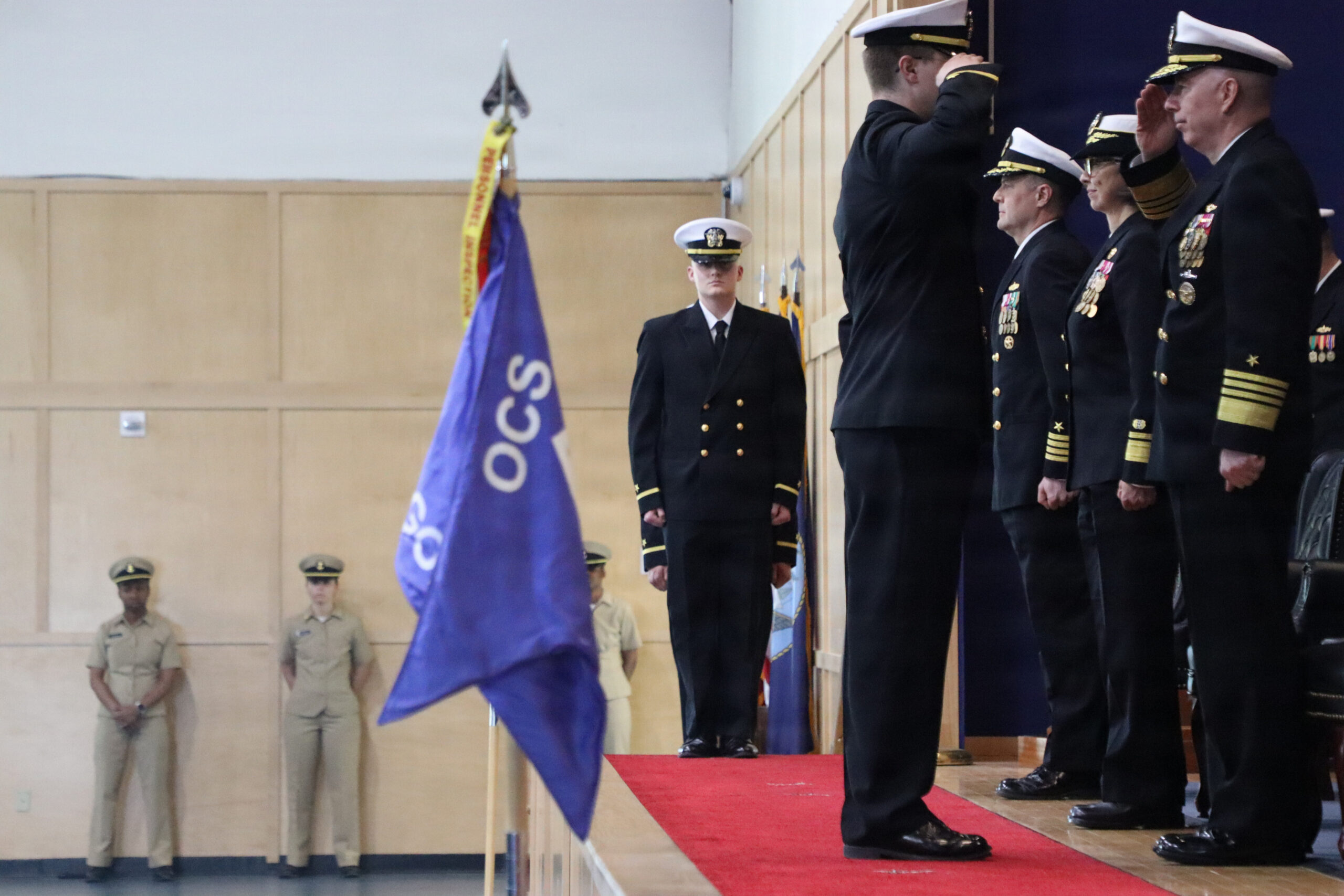
So, what’s your next move? First, contact an officer recruiter (not an enlisted one). Tell them you’re interested in the NFO community. They’ll walk you through the paperwork and schedule you for the ASTB. Study hard—there are free resources online and commercial prep books. The Officer Aptitude Rating (OAR) portion alone can open doors if you score well. Once selected, you’ll go to OCS in Newport for 13 weeks, then on to flight school in Pensacola. The whole process takes about a year, so start now. For more details on the entire journey, check out the Navy OCS Journey guide.
Final Word
Don’t let a 3.0 GPA in Physics stop you from pursuing your dream. The Navy needs sharp, determined officers—and your degree proves you have the brains. Focus on the ASTB, own your story, and talk to a recruiter. You might just find yourself in the cockpit (or backseat) of a Navy aircraft sooner than you think. Fair winds following seas.
This post is part of Navy Officer Designators and Career Paths — what each community is actually like, and what its board wants.