
What a navy cyber warfare officer actually is
The navy cyber warfare officer designator exists because the cryptologic community got too big for one job description. When I commissioned through OCS as a Cryptologic Warfare Officer, cyber was a mission area inside my community. Now it’s its own designator, and that split changed what a candidate is really choosing between.
I can’t give you the exact designator number or the year the split happened without guessing, and I won’t do that. What I can tell you is the shape of the change. Cryptologic warfare used to own signals intelligence and electronic warfare and computer network operations all under one roof. As cyber grew, the Navy pulled it out into a separate officer community. That’s the public story, and it matches what I saw from inside the cryptologic side: more and more of our work was cyber, and the community was straining to train officers for both the traditional signals work and the new computer network work.

For an OCS candidate today, the split means you’re not just picking a job. You’re picking which half of the old cryptologic world you want to live in. The cryptologic officer still does signals intelligence, electronic warfare, and some cyber support. The cyber warfare officer does the computer network attack and defense mission full time. That’s the real difference, and it matters more than any brochure will tell you.
How the split changed what a cryptologic officer does
I went through OCS wanting the cryptologic designator because it was the closest thing to a technical intelligence job an unrestricted line officer could get. By the time I made Lieutenant, the community was already shifting. The cyber mission was growing, and the traditional signals intelligence work was still there, but officers were being pulled in two directions. Some of my shipmates went to cyber billets and never really came back to the signals side. Others stayed in the electronic warfare world and watched the cyber officers get their own career path.
The split formalized that. Now a cryptologic officer can expect to focus on the signals and electronic warfare side, with cyber as a supporting mission. A cyber warfare officer focuses on computer network operations and doesn’t carry the same signals intelligence load. If you’re an OCS candidate who loves radio frequency theory and electronic attack, cryptologic is still your home. If you want to spend your career on keyboards and networks, the cyber designator is the cleaner fit.
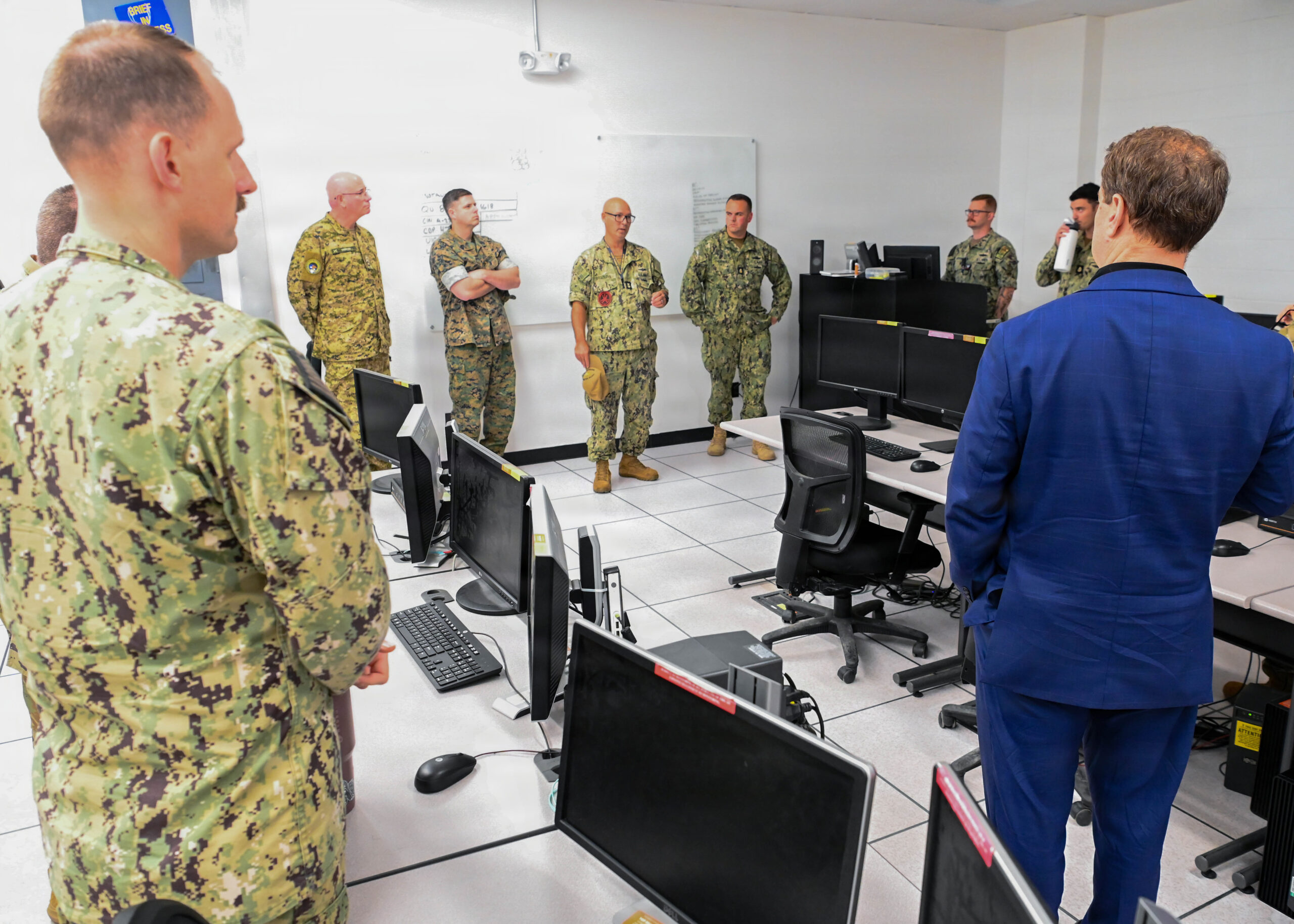
That’s the thing nobody tells you at the recruiter’s office: the split wasn’t just administrative. It changed what each community values. The cryptologic community still prizes the signals intelligence fundamentals. The cyber community prizes network expertise and operational security. You can be good at both, but you’ll be evaluated on one.
What to ask yourself before you pick
When I talk to candidates now, I tell them to ask three questions. First, what do you actually want to do on a Tuesday? If the answer is “analyze signals and understand the electromagnetic spectrum,” go cryptologic. If the answer is “defend networks and conduct computer network operations,” go cyber. Second, what are you good at? The cryptologic officer needs a strong math and physics foundation. The cyber officer needs strong computer science and scripting skills. Third, where do you want to be in ten years? The cyber community is newer and still defining its senior officer billets. The cryptologic community has a longer institutional memory and more established career paths.
I can’t tell you which one is better. I can tell you that the split means you’re not choosing between two flavors of the same job. You’re choosing between two different careers that used to be one. That’s a real decision, and it deserves more than a brochure.
If you want to see how the designators fit into the bigger picture, start with the Navy Officer Designators and Career Paths page. It lays out the whole officer community structure, and it’s where I send candidates who are still trying to understand the difference between restricted line and unrestricted line. For a closer look at what the cryptologic path actually felt like from the inside, read my own account of going from OCS to my first cryptologic duty station. That will give you the texture no designator chart can.
If you’d rather pay for this
There are services that will help you pick a designator, and some of them are worth the money. A good officer recruiter will do this for free, but if you want outside help, look for a commissioning coach who charges per session. At the time of writing, that typically runs somewhere between fifty and two hundred dollars an hour, and a few sessions can be enough to sort out your priorities. The catch is that most coaches don’t know the cyber and cryptologic communities well enough to give you real insight. They know the application process, not the career.
If you’re going to pay, pay for someone who has actually served in one of these communities. A retired cryptologic officer or cyber officer who offers mentoring will charge by the hour, and that’s worth it if you’re genuinely torn. But if you’re just trying to understand the basics, don’t spend the money. Read the designator descriptions, talk to your recruiter, and find a current officer on LinkedIn who will answer a few questions. The free route is enough for most candidates.