What a navy intelligence officer actually owns
A navy intelligence officer (designator 1830) turns raw information into assessments and briefs that commanders use to make decisions. The work is analytic: you read reporting, you correlate it with other sources, you write it up, you brief it. You don’t collect the information yourself—that’s not your lane. You’re the one who makes sense of what the collectors bring in, and you’re the one who tells the captain what it means for the mission. I worked alongside intel officers for years as a cryptologic warfare officer, and I can tell you the difference is real: they own the picture, we own the signal.
If you’re choosing between the two, start with what you’d rather be doing at 0200 on a deployment. An intel officer is reading, writing, and talking. A cryptologic warfare officer is watching a screen, managing a collection system, or working a network. Both are Information Warfare, both sit in the same spaces, but the daily work is not the same. I’ll walk you through what I saw from my side of the fence.
Where the work hands off
The handoff is the cleanest way to see the difference. Cryptologic warfare owns the collection and the technical exploitation of signals—radio, radar, digital networks, the electromagnetic spectrum. We get the data, we process it, we pull out the meaningful bits. Then we hand those bits to the intel officer. The intel officer takes that, combines it with human intelligence, imagery, open source, and everything else, and produces the assessment. The intel officer is the one who says “the adversary is likely to do X” and the cryptologic warfare officer is the one who says “here’s the signal that tells us that.”
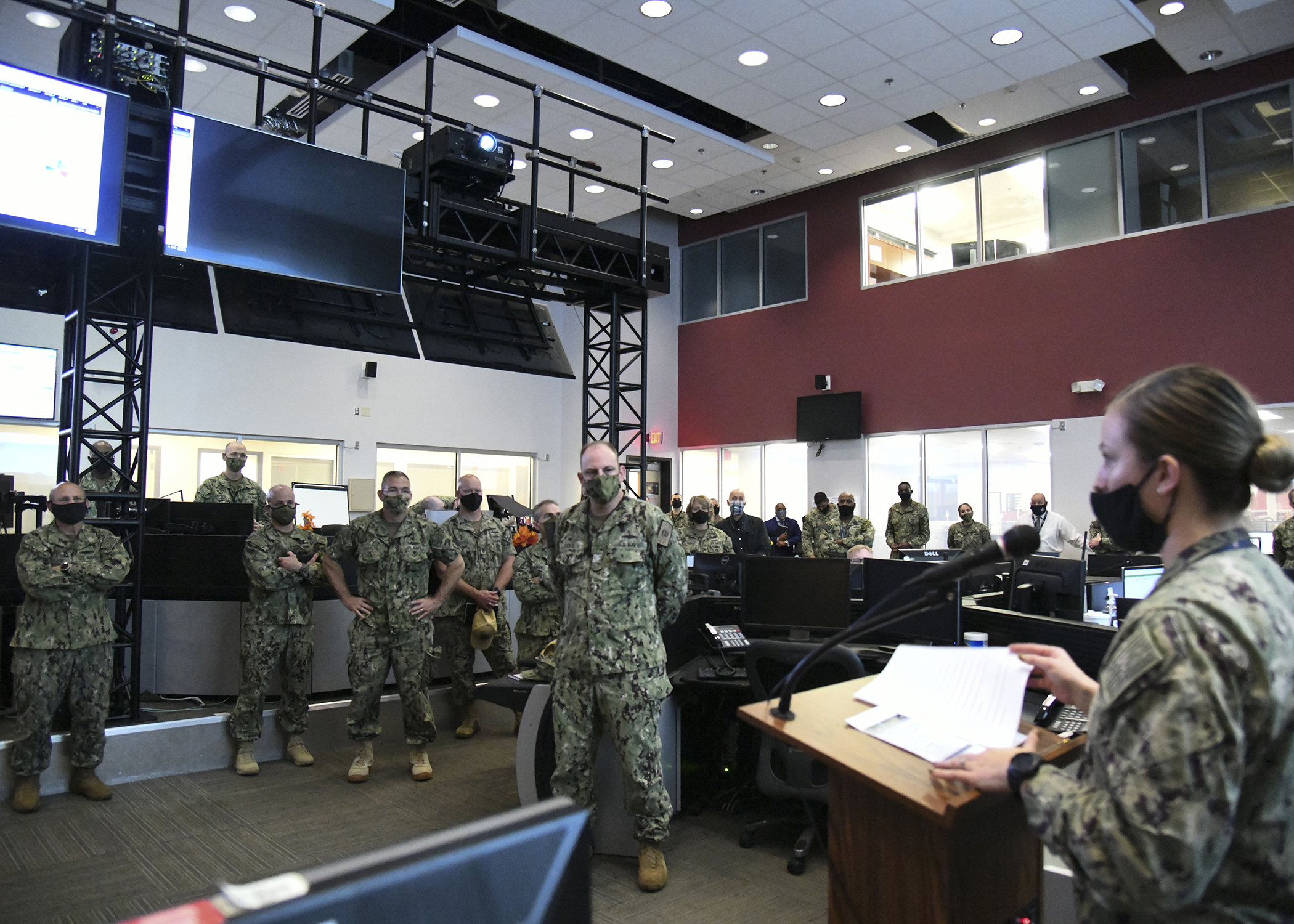
In practice, you’ll see intel officers and cryptologic warfare officers sitting next to each other in a watch floor or a fusion cell. The intel officer is the one writing the product; the cryptologic warfare officer is the one making sure the collection is working and the data is flowing. It’s a partnership, but the responsibilities are distinct. If you want to be the one who owns the analysis, go intel. If you want to own the technical collection, go cryptologic warfare.
How the job feels day to day
I can speak firsthand about the cryptologic warfare side. My days were a mix of watchstanding, system management, and mission planning. I spent a lot of time looking at signals, working with collection systems, and coordinating with operators. The work is technical—you need to understand how the systems work, how the signals behave, and what the adversary is doing. It’s not just sitting at a computer; you’re actively managing collection, troubleshooting, and making calls about where to point the sensors.
The intel officers I worked with had a different rhythm. They spent more time reading, writing, and briefing. They were the ones in the commander’s update briefs, the ones writing the daily intelligence summaries, the ones pulling together the picture from all sources. They had to be good writers and good talkers. The cryptologic warfare officers had to be good technicians and good managers of systems. Both are officers, both lead sailors, but the core skill set is different.
One thing that surprised me: the intel officers often had less direct interaction with the collection systems. They relied on us to tell them what the signals meant, and then they took that and built the bigger picture. If you’re the kind of person who wants to be the one turning the dials and watching the waterfall, cryptologic warfare is your lane. If you’d rather be the one writing the assessment and briefing the admiral, go intel.
Choosing before the board does
Here’s the thing about OCS: you don’t always get to pick your designator. You put in preferences, but the board makes the call based on the needs of the Navy and your package. I went in wanting cryptologic warfare and got it, but I know plenty of people who wanted intel and got cryptologic warfare, or vice versa. The best thing you can do is understand both communities and be honest with yourself about which one fits your strengths.
If you’re a strong writer and analyst, if you like taking multiple sources and building a coherent story, if you’re comfortable briefing senior officers, intel is a natural fit. If you’re more technically inclined, if you like working with systems and signals, if you’re okay with the deep technical details, cryptologic warfare is the better match. Neither is better than the other; they’re different jobs that happen to share a community.
One thing I’ll say: don’t choose based on what sounds cooler. Choose based on what you’d actually want to do every day. I’ve seen people pick intel because they liked the idea of being a spy, and then they were miserable because the daily work is mostly reading and writing. I’ve seen people pick cryptologic warfare because they liked computers, and then they were frustrated because the job is more about managing collection than coding. Be honest with yourself.
For more on the overall landscape of officer designators, including how intel and cryptologic warfare fit into the bigger picture, check out the Navy Officer Designators and Career Paths page. It’s a good starting point if you’re still sorting through the options.
If you want a deeper look at what the cryptologic warfare path actually looks like from OCS to first duty station, I wrote about my own journey here: My Journey as a CW Officer: From OCS to First Duty Station. It’ll give you a feel for the training pipeline and what to expect in those first months.
What nobody tells you at OCS
OCS doesn’t teach you the difference between intel and cryptologic warfare. You’ll get a brief overview, but the real learning happens after you commission and go to your first training command. The designator you get determines your first school, your first duty station, and the early shape of your career. It’s not permanent—officers can redesignate later, though it’s not easy—but it sets your trajectory.
One thing I wish I’d known: the communities are small and the reputations matter. Intel officers and cryptologic warfare officers talk. If you’re good at your job, word gets around. If you’re not, that gets around too. The work is demanding, and the standards are high. But if you’re in the right community for your skills, it’s a rewarding career.
If you’re still weighing options, the post on PhD vs Navy Officer: Which Path for an Intelligence Career might help you think through the longer-term picture. It’s a different angle, but it gets at the same question: what do you actually want to do with your brain?
If you’d rather pay for this
There’s no paid service that will pick your designator for you, and I’d be suspicious of anyone who claims otherwise. What you can pay for is preparation: a good OCS prep course, a study guide for the OAR, or a one-on-one coaching session with someone who’s been through the process. These are typically charged as a one-off fee per course or per session, and at the time of writing, you can expect to pay anywhere from $50 for a study guide to a few hundred dollars for a coaching package.
Is it worth it? If you’re struggling with the OAR or you want a structured way to prepare for OCS, a prep course can help. But if you’re just trying to decide between intel and cryptologic warfare, save your money. The best research is free: talk to officers in both communities, read everything you can find, and be honest about your own strengths. No paid service can tell you which one you’ll actually enjoy.