NROTC Instructor: What I Learned as a Navy Officer
NROTC instructor billets are a common question I get from officers exploring shore duty options. When I was in the Navy, I saw many officers wonder if they could serve as an NROTC instructor, especially those in staff corps like the Nurse Corps. The short answer is: it’s possible but rare. Let me break down what I know from my time in service and from talking with detailers and fellow officers.
First, let’s define some terms. NROTC stands for Naval Reserve Officers Training Corps, which is a program that trains college students to become Navy and Marine Corps officers. Instructors in NROTC are typically unrestricted line (URL) officers—those who are eligible for command at sea and have a broad operational background. Staff corps officers, like those in the Nurse Corps, have specialized professional roles and are generally not assigned to NROTC instructor billets. That’s not to say it never happens, but it’s the exception rather than the rule.
When I was a junior officer, I had a shipmate in the cryptologic community (Information Warfare, or IW) who was interested in an NROTC instructor billet. He talked to his detailer—the officer who manages career assignments—and was told that NROTC billets are usually reserved for URL officers, but there are occasional opportunities for certain communities like IW or aviation. The key is to have a conversation with your detailer early and often.
The bottom line: if you’re a Nurse Corps officer and your dream is to be an NROTC instructor, don’t give up hope, but be prepared to explore other paths. There are other shore duty options that might be a better fit, and after retirement, NJROTC (Naval Junior Reserve Officers Training Corps) instructor positions are open to all retired officers, regardless of designator.
In this article, I’ll walk you through the typical requirements for NROTC instructor billets, why staff corps officers are rarely selected, what exceptions exist, and what you should do if you’re interested. I’ll also share some advice from my own career and from officers I’ve mentored.

Understanding NROTC Instructor Billets
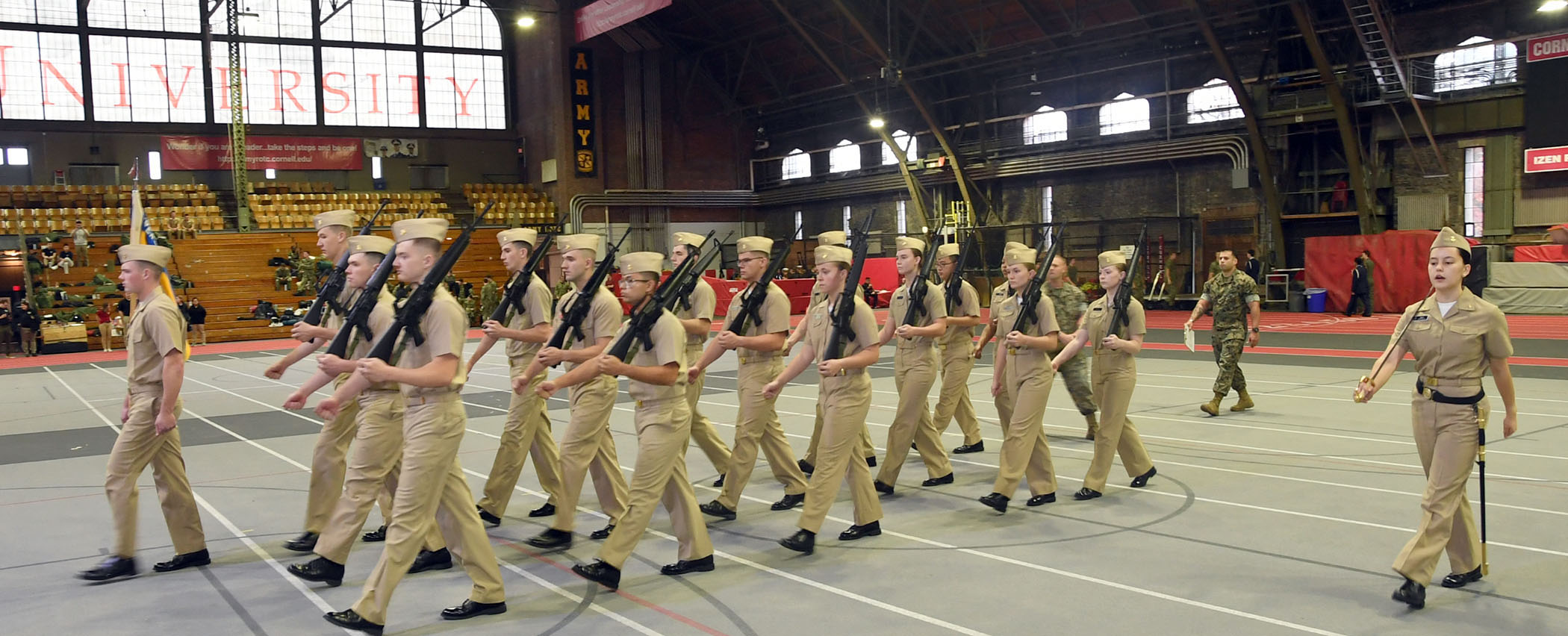
NROTC instructor billets are part of shore duty—assignments that take you away from sea duty and give you a chance to develop leadership skills in an academic environment. These billets are typically filled by lieutenant commanders and commanders, but sometimes lieutenants with significant experience get the call. The role involves teaching naval science courses, mentoring midshipmen, and coordinating training activities.
When I was in the Navy, I knew a few officers who served as NROTC instructors. They loved the opportunity to shape young leaders and enjoy a more predictable schedule. But almost all of them were URL officers—surface warfare, submarine, aviation, or special warfare. That’s because NROTC units are designed to prepare midshipmen for careers as unrestricted line officers, so having instructors with that background makes sense.
Staff corps officers, such as those in the Medical, Dental, Nurse, Supply, Chaplain, or Civil Engineer Corps, have specialized skills that are vital to the Navy, but their career paths are different. They spend most of their time in clinical or technical roles, and their shore duty assignments usually reflect that. For example, a Nurse Corps officer might be assigned to a naval hospital or a medical clinic, not to an NROTC unit.
That said, there are some exceptions. In recent years, the Navy has recognized the value of exposing midshipmen to a wider range of career options, including staff corps. Some NROTC units have had staff corps officers serve as adjunct instructors or guest lecturers, but full-time instructor billets are still rare for them.
Why Staff Corps Officers Are Rarely NROTC Instructors
There are a few reasons why staff corps officers rarely serve as NROTC instructors. First, the Navy needs to fill certain billets with officers who have the right qualifications, and NROTC instructor is one of them. The Navy’s detailing process is designed to match officers with billets that align with their career progression and the needs of the service. For staff corps officers, that means assignments that use their professional expertise.
Second, NROTC instructor billets are often considered “gapped”—meaning they are empty and waiting to be filled. The Navy has a process for filling these billets, and it usually looks to URL officers first. If there aren’t enough URL officers to fill them, then other communities might be considered. This is where your detailer comes in.
Your detailer is the officer at Navy Personnel Command who manages your career assignments. They are your advocate and your gateway to shore duty opportunities. If you’re interested in an NROTC instructor billet, the first step is to talk to your detailer. They can tell you if there are any openings, what the requirements are, and whether your community is eligible to fill them.
In my experience, detailers appreciate officers who are proactive and flexible. If you’re a Nurse Corps officer and you want to serve as an NROTC instructor, you might need to be open to alternative billets that are similar, such as teaching at a military nursing school or serving as a liaison to a civilian university. It’s not the same, but it can still be rewarding.

Exploring Alternative Paths: Aviation, Information Warfare, and NJROTC
If you’re set on becoming an NROTC instructor, you might consider cross-designating to a community that is more likely to fill those billets. For example, aviation and Information Warfare (IW) officers have been known to serve as NROTC instructors. IW officers, like those in the cryptologic community, have a unique skill set that can be valuable in an academic setting, and some have been assigned to NROTC units.
But cross-designating is a big decision and not something to take lightly. It involves changing your career path and potentially leaving your current community. If you’re a Nurse Corps officer, you probably became one because you love nursing and patient care. Switching to a URL community might not be the right fit for you.
Another option is to wait until you retire. After retirement, you can apply to become an NJROTC instructor at a high school. NJROTC is a program for high school students, and instructors are typically retired officers from any designator. This is a popular second career for many Navy officers, and it allows you to mentor young people without the constraints of active-duty assignments.
I have a friend who retired as a Nurse Corps captain and now teaches NJROTC at a high school in Florida. She loves it. She says it gives her the same sense of purpose she had on active duty, but with more time to focus on teaching and mentoring. It’s a great option to consider.
Final Thoughts and Advice
If you’re a staff corps officer, especially in the Nurse Corps, and you’re interested in becoming an NROTC instructor, my advice is this: don’t let the odds discourage you. Start by talking to your detailer and expressing your interest. Ask about any gapped billets that might be available. Be open to alternative assignments that might give you similar experiences.
Also, consider the bigger picture. Your career as a Navy officer is about serving in the way that best uses your talents. If you’re a Nurse Corps officer, you have a unique and valuable contribution to make. There are many shore duty opportunities that allow you to teach, mentor, and lead—even if they don’t have the NROTC title.
And if you’re determined to be an NROTC instructor, remember that retirement opens doors. NJROTC instructor positions are a fantastic way to continue serving and mentoring after you hang up your uniform. I’ve seen many officers find great fulfillment in that role.
For more insights on the Navy OCS journey and career paths, check out our Navy OCS Journey hub. It’s packed with information for officers at every stage.
Finally, remember that your career is what you make of it. Talk to mentors, ask questions, and be proactive. You might be surprised at the opportunities that come your way.
Fair winds and following seas.
This post is part of Applying to Navy OCS — the full path from eligibility through the board, in reading order.