Last updated: August 24, 2026
Navy Fitness and Nutrition: The Real Deal on Staying Strong
Navy fitness and nutrition are two things every future officer worries about, and for good reason. When I went through OCS, I was coming from a civilian job where I hit the gym five days a week, tracked every macro, and thought I was invincible. Then I got to Newport and realized that my lifting routine was about to meet the reality of military life. The good news? It’s absolutely possible to maintain and even build muscle while serving. The bad news? It’s going to take more planning, flexibility, and discipline than you might expect.
Let me walk you through what I learned—and what I wish someone had told me before I put on the uniform. Whether you’re prepping for OCS or already in the fleet, the principles are the same: know your schedule, adapt your training, and take control of your food.
Your Schedule: The Real Enemy of the Gym
First, let’s talk about time. In the Navy, your workday can range from a standard 8-hour day to 14-hour days during drills, inspections, or underway periods. At OCS, your time isn’t your own—you’ll be marching, drilling, studying, and getting yelled at from 0500 to 2200 most days. That leaves little room for a traditional gym session, and even less for a leisurely 90-minute lift.
But here’s the thing: you don’t need 90 minutes. You need 45 minutes of focused, progressive overload—the principle of gradually increasing weight, reps, or sets to stimulate muscle growth. I learned to do more with less: compound lifts like squats, deadlifts, bench press, and pull-ups, with a few accessories thrown in. You can get a solid workout in 45 minutes if you’re efficient. The key is to prioritize and not waste time on socializing or scrolling between sets.
At OCS, your schedule will be packed, but there are windows—like after dinner or during a rare liberty period—where you can hit the gym if you’re motivated. I knew guys who would sneak in a quick session before taps. It’s not ideal, but it’s possible. The bigger challenge is the mental fatigue. You’ll be exhausted, and the last thing you’ll want to do is lift. That’s where discipline comes in. You have to decide that your fitness is non-negotiable, even when everything else is screaming for your attention.
Galley Food: The Macro Nightmare
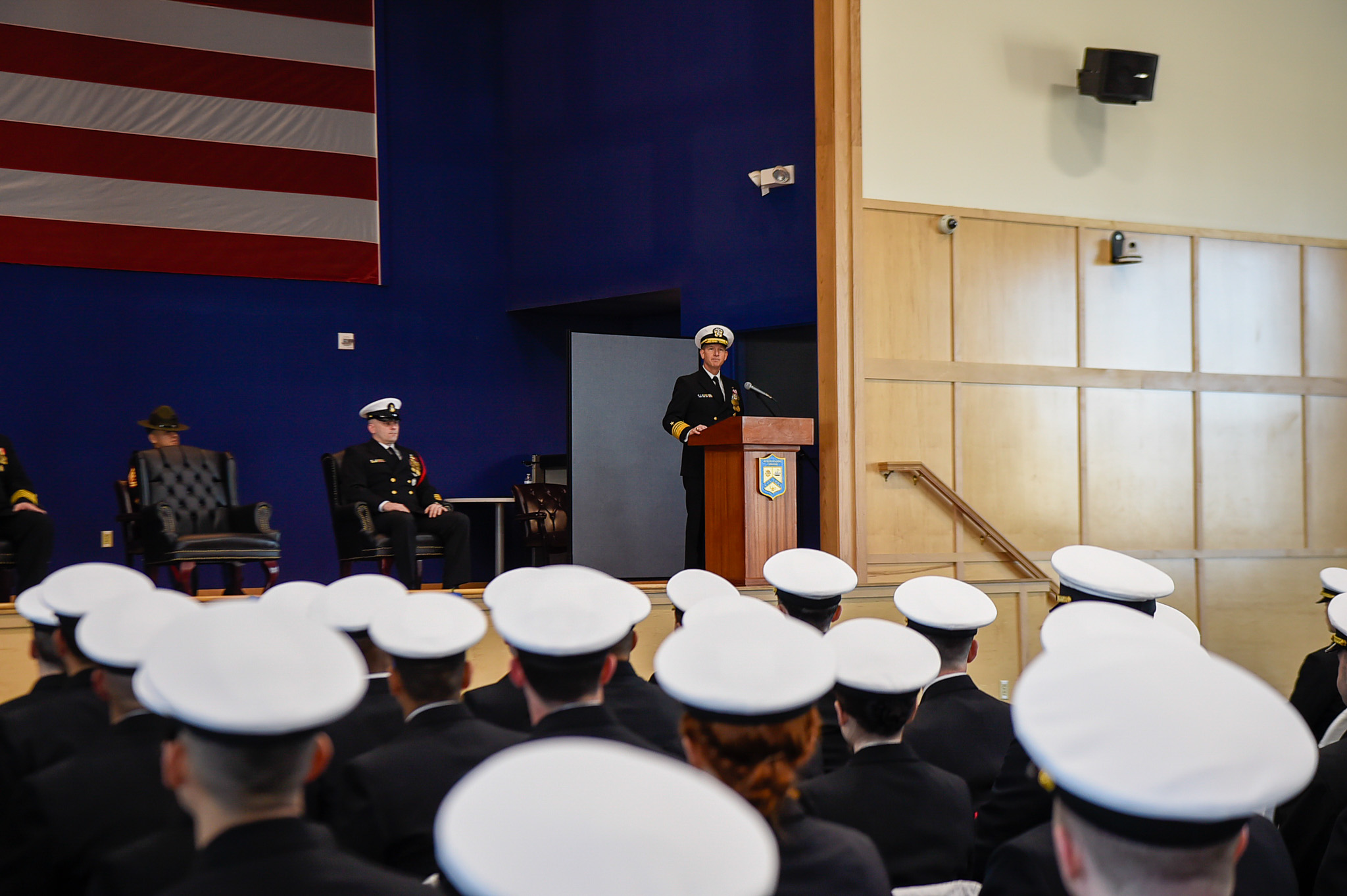
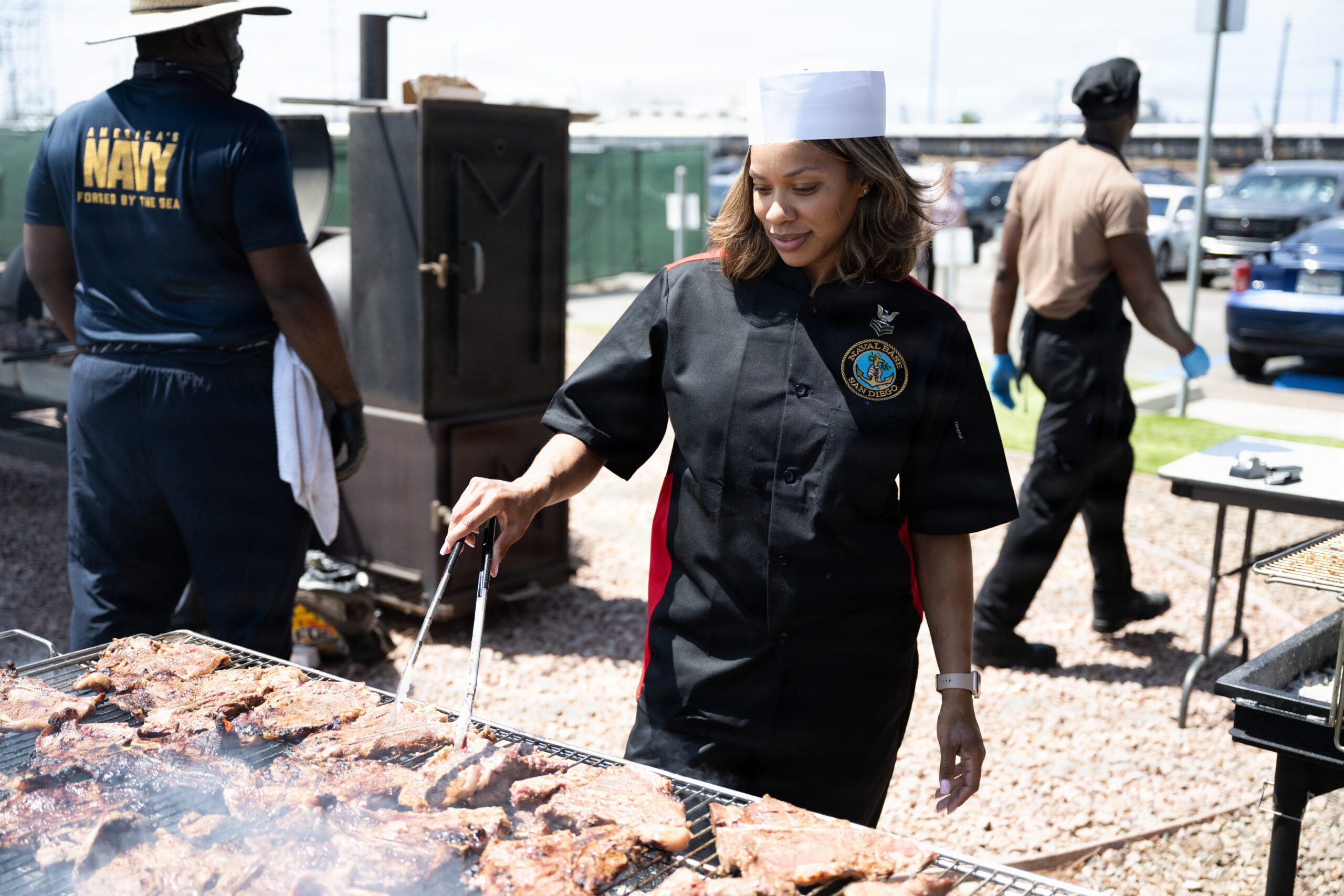
Now, let’s talk about food. The galley (military dining facility) is where most sailors eat, and it’s a mixed bag. At OCS, you’ll eat at the galley three times a day, and the food is… well, it’s institutional. Think cafeteria-style meals with a salad bar, some protein options, and a lot of starches. It’s not terrible, but it’s not designed for muscle building. The protein portions are often small, and the quality can vary. I remember one night we had “chicken” that was more breading than meat. Not ideal for hitting your protein goals.
Here’s the hard truth: if you’re serious about maintaining muscle, you’ll likely need to supplement your galley meals. That means buying your own protein powder, nuts, jerky, or even pre-cooked chicken breasts. At OCS, you have limited access to outside food, but you can bring protein bars and shakes to your room (called a “rack” area). I kept a stash of protein bars in my locker for those times when the galley just didn’t cut it.
Once you’re in the fleet, you’ll have more freedom. You can live off-base and cook your own meals, or you can eat at the galley and supplement. I knew a Chief who meal-prepped every Sunday, bringing Tupperware containers of grilled chicken, rice, and veggies to work every day. That’s the kind of dedication it takes. Macro tracking in the military is possible, but it requires you to be proactive. You can’t rely on the galley to meet your needs—you have to take control.
Navy PT: Why It Won’t Build Muscle
Let’s talk about Navy PT (physical training). The Navy’s fitness program is designed to keep you in shape for the job—running, push-ups, sit-ups, and the like. It’s not designed to build muscle. In fact, the emphasis on cardio and bodyweight exercises can actually work against you if you’re trying to pack on size. During basic training (RTC) and OCS, you’ll do a lot of running and calisthenics, and many candidates lose muscle mass because they’re in a calorie deficit (you burn more than you eat) and they’re not lifting heavy weights.
I saw it happen in my OCS class. Guys who came in jacked left a little smaller. It’s a common phenomenon—the combination of high-volume cardio, limited food, and stress hormones can eat away at your gains. But it’s not inevitable. You can mitigate it by doing your own lifting when you have free time, eating extra protein when you can, and getting enough sleep (though that’s a tall order at OCS).
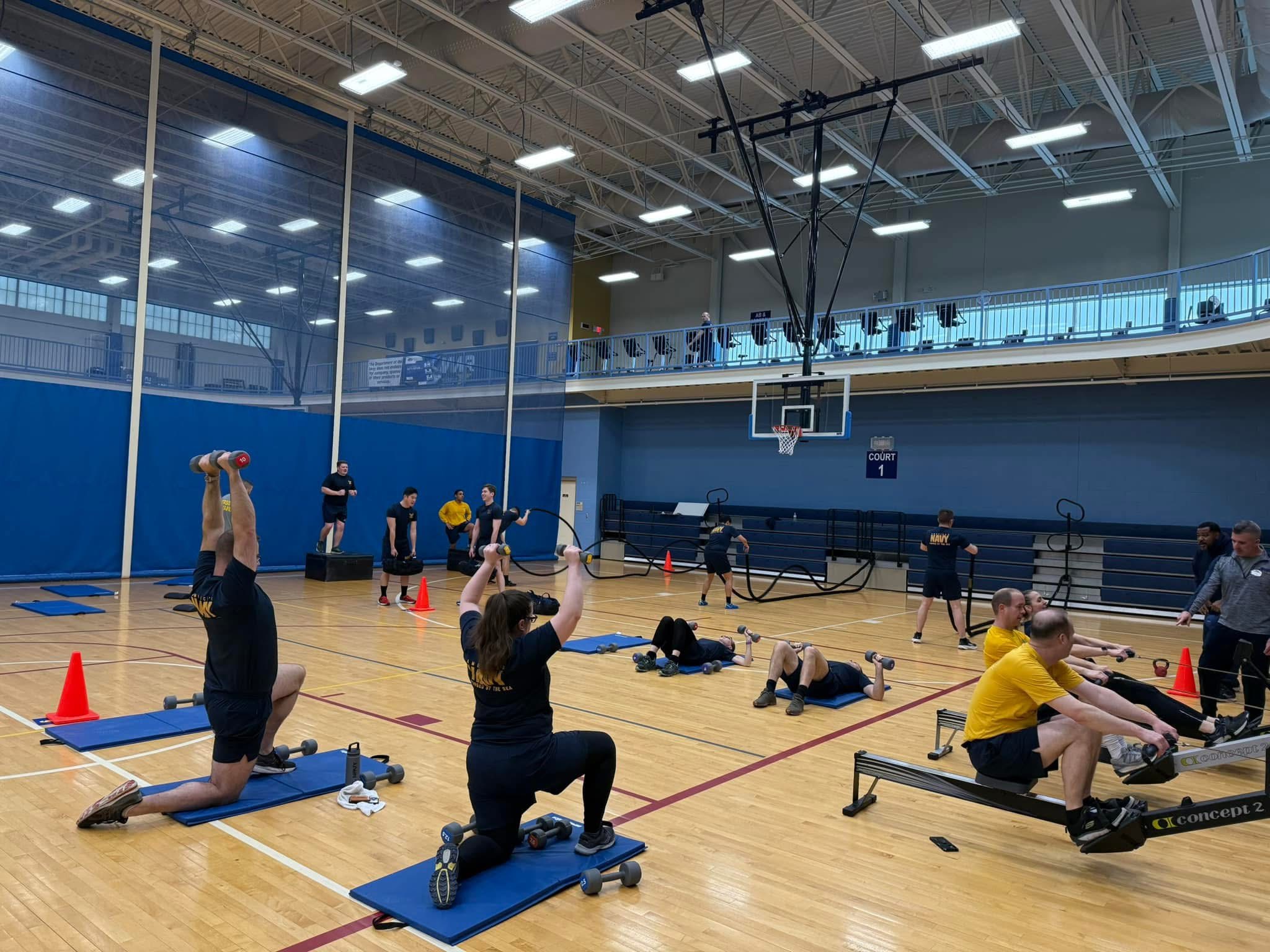
Once you’re in the fleet, Navy PT is usually a few times a week, and it’s often a short session—maybe 30 minutes of running or circuit training. You can treat that as a warm-up or a cardio day, and then do your real lifting on your own time. The key is to not let Navy PT be your only exercise. You have to supplement it with a structured strength program.
Base Gyms: Free but Inconsistent
When you’re stationed at a base, you’ll have access to a gym, and they’re free—that’s a huge perk. But the quality varies wildly. Some bases have state-of-the-art facilities with everything you need: squat racks, dumbbells up to 150 pounds, and plenty of benches. Others have a few old machines and a broken treadmill. I’ve been to both. My advice: scope out the gym as soon as you arrive, find out what’s available, and adjust your routine accordingly. If the gym lacks heavy dumbbells, you might need to rely on barbells or bodyweight exercises. If it’s packed during peak hours, go early in the morning or late at night.
Also, don’t forget about the ship’s gym if you’re deployed. On a ship, the gym is tiny—maybe a few treadmills, a bench, and some dumbbells. You’ll have to get creative. I remember doing a lot of bodyweight circuits and using resistance bands when I was underway. It’s not ideal, but it keeps you from losing everything.
Phases That Will Test You: OCS, Training, and Deployments
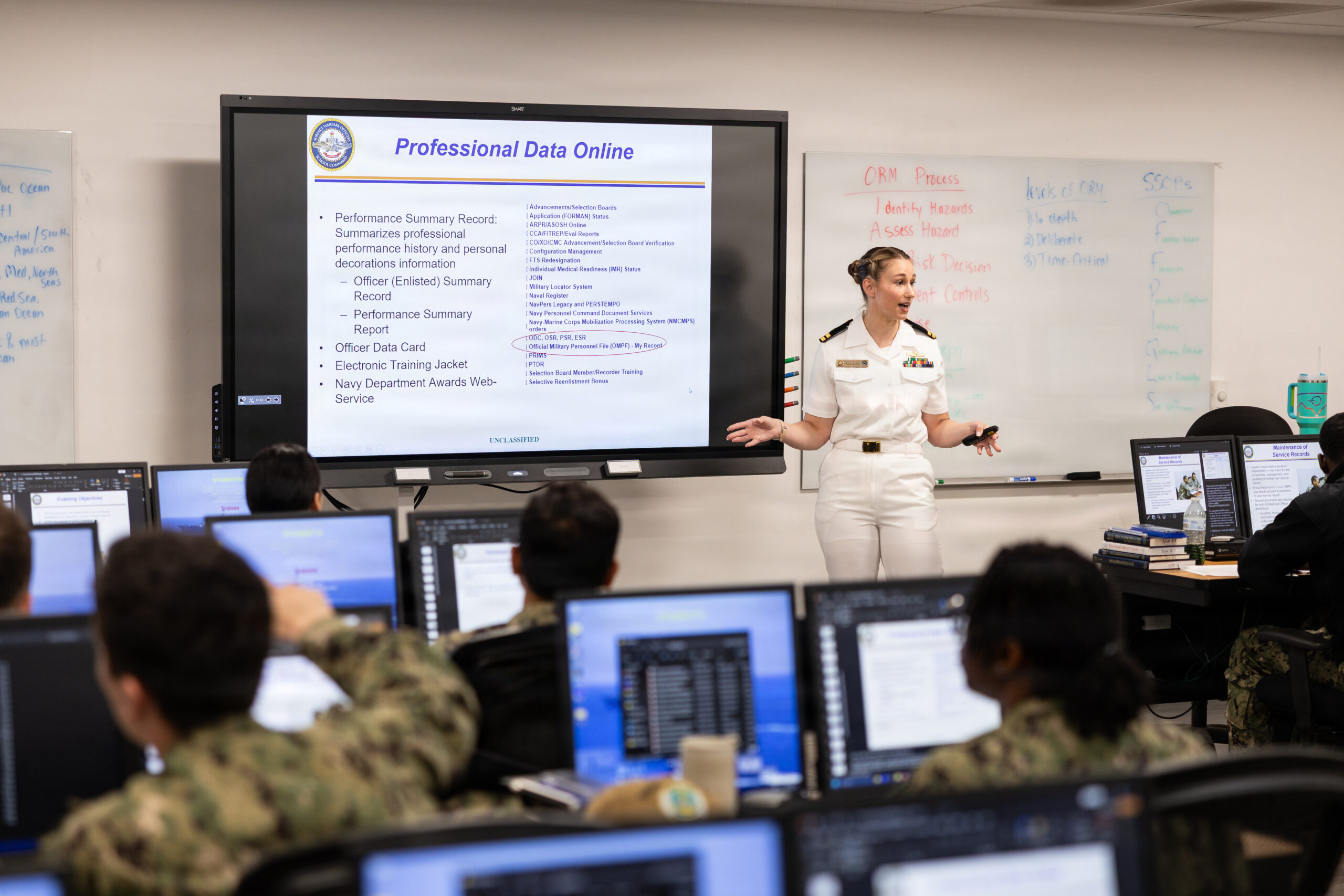
Certain phases of your career will make a strict gym routine nearly impossible. OCS is the first big one. Your priorities are academics (like Nav, or navigation), inspections, and learning military bearing—not lifting. You’ll have very little free time, and you’ll be exhausted. But it’s temporary, and you can get back on track once you graduate.
Then there’s initial training like RTC (Recruit Training Command) if you go enlisted, or other schools. And of course, deployments. When you’re at sea, you’re on watch rotations, working long hours, and the gym is limited. But even then, you can find time. I knew a guy who woke up at 0500 every day to lift before his watch. It’s all about prioritizing.
The bottom line: your fitness journey in the Navy will have peaks and valleys. There will be times when you’re hitting PRs (personal records) and times when you’re just trying to maintain. That’s okay. The goal is to stay consistent and not give up entirely. As long as you keep showing up, even with less-than-ideal conditions, you’ll be fine.
For more on the OCS experience, check out the Navy OCS Journey hub for tips from those who’ve been there.
In the end, staying jacked in the Navy is a test of your will and your planning. You can do it—I’ve seen plenty of sailors who are absolute beasts in the gym. It just takes a little extra effort. So embrace the challenge, be flexible, and don’t let a busy schedule kill your gains. You’ve got this.
This post is part of Applying to Navy OCS — the full path from eligibility through the board, in reading order.