Last updated: August 16, 2026
Is a PPM Worth It for a Small Move? Financial Tips for Navy Families
Deciding whether a PPM is worth it for a small move is a question I’ve heard from many junior officers and enlisted members getting ready for their first PCS (Permanent Change of Station). When I went through OCS and later moved to my first duty station, I opted for a government-arranged move because I had next to nothing. But later, as a seasoned officer, I learned the ins and outs of the PPM (Personally Procured Move) system and saw shipmates pocket serious cash. The short answer? Yes, a PPM can be very worthwhile for a small move—if you keep your expenses low and understand how the math works.
Understanding Your Moving Options
First, let’s clarify the three main types of moves under the Defense Personal Property Program (DP3):
- Government-arranged move (full service): The military hires movers, packs, loads, transports, and unpacks. You do little to no work, but you also don’t get paid for it beyond your allowances (DLA, TLE).
- Full PPM: You arrange and pay for everything yourself. The government pays you a set rate based on your weight allowance and the distance—this is often higher than the actual cost if you do it smartly.
- Partial PPM: You move a portion yourself while the government handles the rest. This can be a sweet spot—move the high-value, low-weight items yourself and let Uncle Sam haul the furniture.
For a small move—say, a few thousand pounds or less—a partial PPM is often the golden ticket. You keep the government movers for the bulky stuff and personally move things like clothes, electronics, and valuables that you can fit in your car.
How PPM Pay Works and Why It Can Be Profitable
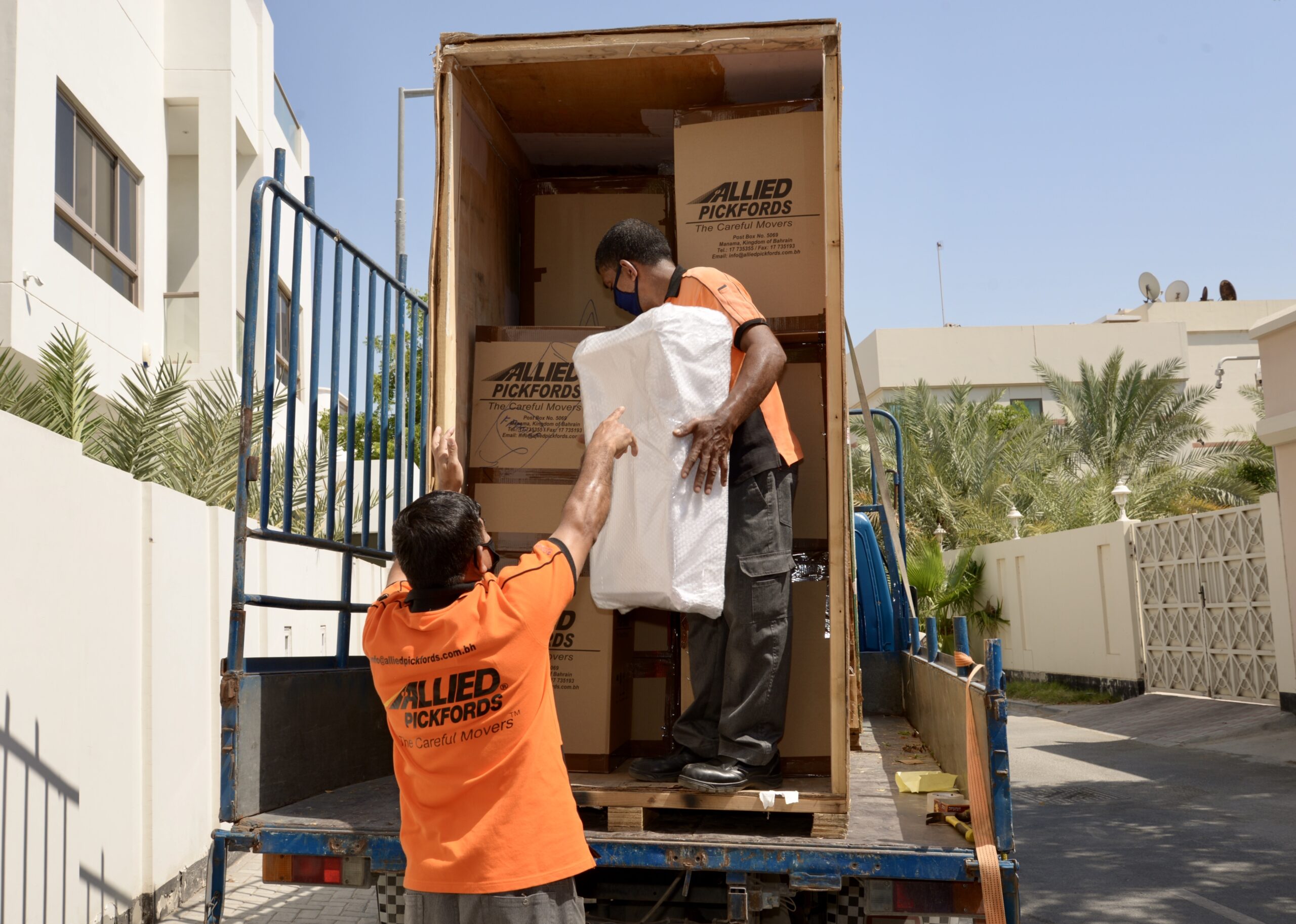
The PPM incentive is based on the weight you move and the distance. You’re paid 95% of what it would have cost the government to move that weight via a commercial carrier. If your actual expenses are lower, you pocket the difference. For a small move, your costs can be minimal—rent a U-Haul, drive it yourself, maybe hire a few hands for loading/unloading. One shipmate of mine in the cryptologic community moved from Norfolk to San Diego with just a couple thousand pounds, used a trailer, and made over triple his costs.
But here’s the catch: if you don’t track your weight correctly, you could leave money on the table. You need a certified weight ticket (at a certified scale) for both your loaded and empty vehicle. Subtract the empty weight from the loaded weight to get your net weight. That number must be under your allowed weight limit (based on rank and dependency status). The government pays per pound, so every pound counts.
Alternatives Like U-Pack Cubes
If you don’t want to drive a truck yourself, consider U-Pack cubes (also called ABF U-Pack). They drop off a metal container, you load it, they pick it up and ship it. For a small move, this can be cost-effective and less labor-intensive than a full DIY. The cost is often lower than a rental truck after fuel and tolls, and you don’t have to drive. However, you still need to weigh the cube (or use their estimated weight) and ensure you don’t go over. Always compare the PPM payout—if the cube costs $1,000 and the government pays you $1,500, you’ve made $500 profit. Not bad for a few days’ work.
Risks of Taking an Advance
The PPM allows you to request an advance of up to 60% of the estimated payout. This can help cover upfront costs for truck rental, packing supplies, etc. But be careful: if you spend the advance and then your actual weight is lower than estimated, you might owe money back. I’ve seen Sailors caught short because they took a big advance, moved fewer pounds, and then had to repay the difference from their next paycheck. Only take what you absolutely need, and keep receipts for everything.
Tips to Maximize Your PPM Profit
- Drive vehicles separately: If you have two cars, drive one and tow the other, or drive both separately—avoid paying for a car carrier. The government pays for the weight of your PPM move, not for towing fees.
- Use professional movers for loading only: Hire local movers to load your truck, but drive it yourself. This saves back strain and time while keeping you in control of the transport.
- Weigh once, weigh right: Get the certified weight ticket at a scale near your origin and destination—the destination weight is crucial for proving you didn’t add items en route.
- Consider a partial PPM: Let the government move the heavy furniture (free to you) and personally move the lighter, high-value items. This reduces your physical workload and financial risk.
- Check resources: The Armed Services YMCA (ASYMCA) and Military OneSource often have grants or loans for moving expenses—especially helpful for junior members.

Final Verdict: Is a PPM Worth It for a Small Move?
Absolutely—if you’re organized and willing to do a little legwork. For a small household, the PPM payout can easily exceed your costs, putting extra cash in your pocket. Just be honest about your weight, don’t over-advance, and consider a partial PPM to split the work. Every move is different, so run the numbers for your specific route and weight allowance. And remember, the best resource is your local TMO (Transportation Management Office) or your sponsor—they can help you estimate the payout.
For more career and life tips from someone who’s been there, check out the Navy OCS Journey hub. It’s packed with gouge (insider tips) to help you navigate everything from OCS to your first PCS and beyond.
Fair winds and following seas—and may your PPM be profitable!
This post is part of PCS Money and Allowances — what each allowance covers, and where the gaps between them are.