
Pre-OCS IWC prep for an Information Professional select is not about memorizing every port number or reading a CCNA textbook cover to cover. It’s about arriving at Newport with enough grounding in networking fundamentals, cyber concepts, and information warfare that the firehose of OCS and follow-on IWC training doesn’t knock you flat. I went through OCS as a cryptologic warfare officer, spent years in the information warfare world alongside IPs, and watched plenty of candidates show up either over-prepped in the wrong places or under-prepped where it counted. Here’s the gouge (insider advice) I’d give a shipmate heading to Rhode Island.
The IP pipeline, briefly
An IP select is a candidate picked for the Information Professional designator — the Navy community that runs afloat and ashore networks, satellite communications, and much of the fleet’s C4I infrastructure. The path runs selection, then OCS at Officer Candidate School in Newport, then commissioning, then the Information Warfare Community (IWC) basic course pipeline before you ever check into a command. Timelines shift by year and by class date, so confirm your specific school sequence with your recruiter or the latest NAVADMIN. What doesn’t shift is the shape of it: OCS first, then technical school, then the fleet.
Pre-OCS IWC prep: what actually matters
OCS itself is not a technical school. You’ll be graded on military knowledge, drill, leadership reaction, and physical readiness. Nobody at Newport is going to ask you to subnet a network. But the study habits you build before you report carry into IWC training, and a candidate who already understands the vocabulary walks into the IP basic course with a real edge.
Focus your pre-OCS IWC prep on three areas: the OSI and TCP/IP models, basic routing and switching concepts, and the difference between tactical networks afloat and the enterprise networks ashore. Add a working familiarity with cyber terminology — the CIA triad, defense in depth, the difference between a vulnerability and an exploit — and you’re ahead of most of your class. You don’t need vendor certifications before OCS. You need the mental model.
- Networking fundamentals: OSI model, TCP/IP, IP addressing, subnetting, routing versus switching
- Cyber concepts: CIA triad, risk, authentication, the layers of defense in depth
- Information warfare: the IWC’s mission areas, how IP fits alongside cryptologic and intelligence officers
- Navy basics: rank structure, chain of command, general orders, your own designator’s role
Study materials worth your time
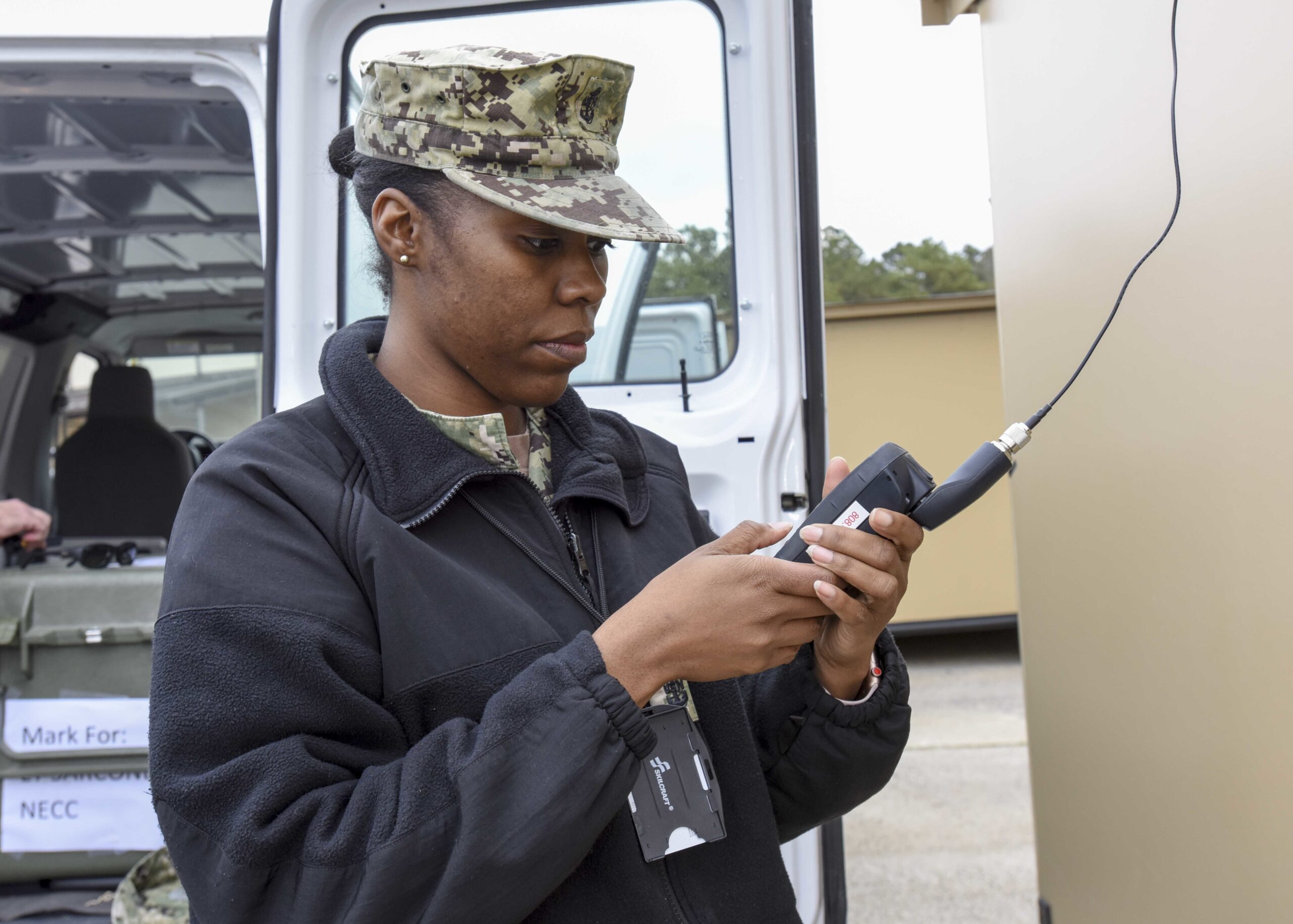
For networking, a single solid introductory text on TCP/IP will do more for you than five half-read cert guides. Professor Messer’s free Network+ videos are a common starting point and they’re genuinely good for building the vocabulary. For cyber, read the publicly available doctrine — the Navy publishes unclassified material on information warfare that will orient you to how the community thinks. Your recruiter can point you toward the current references, and the IWC has public-facing pages that describe its mission areas without giving away anything you shouldn’t have.
For OCS itself, the appendices in the Officer Candidate School curriculum and the Navy’s general military training material are the real study list. A shipmate of mine in the cryptologic community spent his pre-OCS weeks reading networking books and forgot to learn the chain of command. He paid for that in the first week. Balance the technical prep against the military knowledge you’ll be tested on from day one.
Common pitfalls
The biggest mistake I saw was candidates over-indexing on technical depth and under-preparing for the physical and military side. OCS is a leadership evaluation. You can be the smartest network mind in the room and still struggle if your PT scores are marginal or you can’t recite the general orders under pressure. The second mistake is treating IWC training as something you’ll figure out later. Start the vocabulary now. The third is buying a pile of expensive certification courses before you’ve even commissioned. Save your money until you know what your command actually wants.
One more: don’t neglect the soft side. IPs brief flag officers. Practice explaining a technical concept to someone who doesn’t care about the technical part. That skill will serve you more than any single cert.
Where to look next
The rest of the OCS journey — what to expect week by week, how to square away your paperwork, how to survive the dog box (the small holding berthing) — is covered in the Navy OCS Journey hub. Start there, then come back to the technical reading once your reporting date is locked. The order matters less than starting.
You were selected for a reason. The Navy picked you because it believes you can lead sailors in a technical field that decides fights before the first shot. Do the reading, keep your PT sharp, and show up ready to learn. The rest you’ll pick up in Newport.