Last updated: August 16, 2026
OS to NFO Overlap: What Really Transfers
OS to NFO overlap is a question I get from a lot of enlisted sailors eyeing a commission as a Naval Flight Officer (NFO). The short answer: there’s some overlap, but it’s not as direct as you might hope. Let me break down what I’ve seen from my time in the Navy and from talking to folks in both communities.
First, a quick primer for civilians reading this: an Operations Specialist (OS) is an enlisted rating that tracks ships, aircraft, and submarines on radar and other sensors, managing the tactical picture. A Naval Flight Officer (NFO) is an officer who flies in naval aircraft but doesn’t pilot—they handle navigation, sensor employment, and tactical coordination. The path from OS to NFO is possible, but it’s not a direct pipeline.
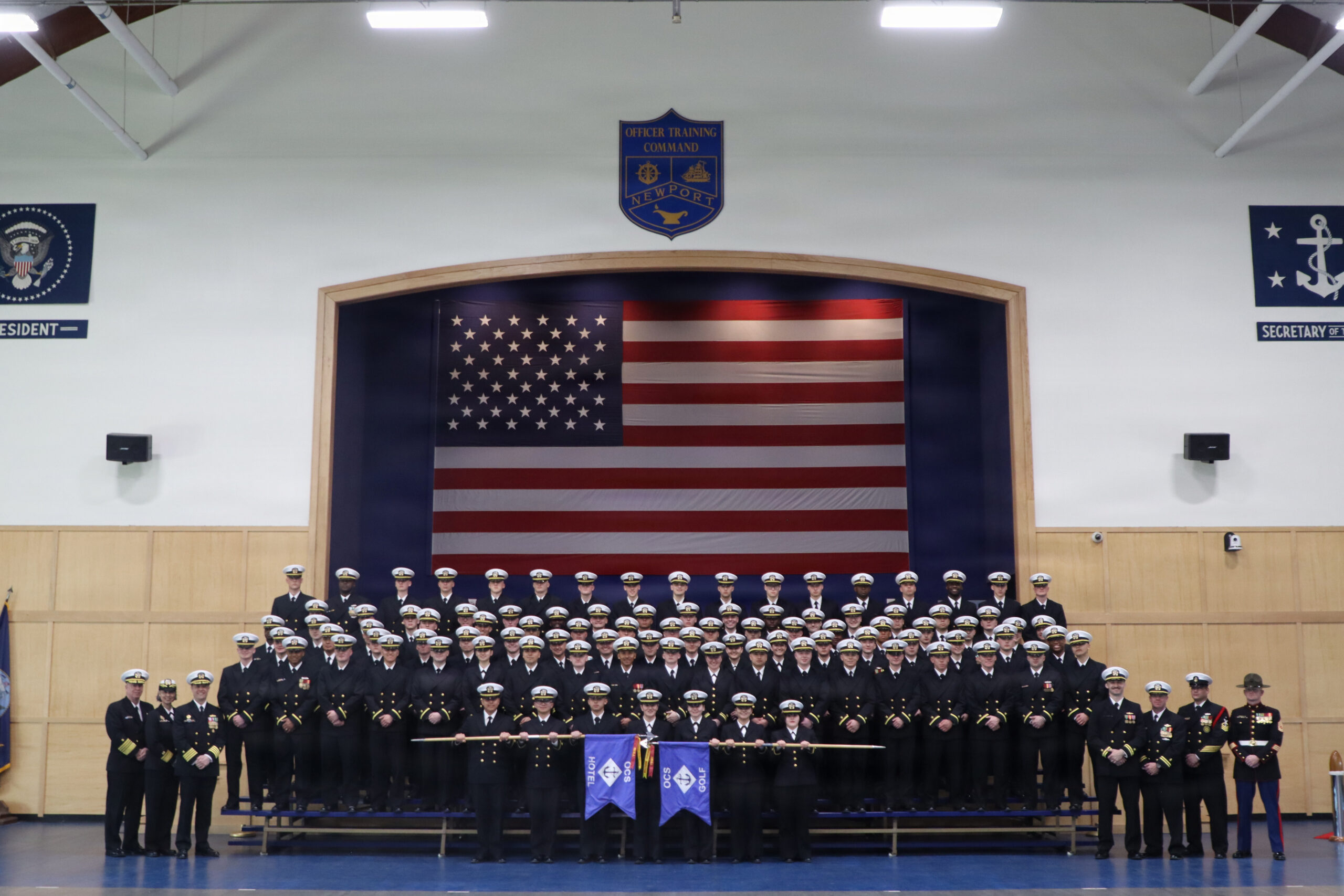
When I was at OCS, we had a former OS in my class who was heading to the E-2 Hawkeye community. He told me his AIC (Air Intercept Controller) experience gave him a head start on understanding air warfare and talking to aircraft, but he still had to learn everything from scratch in flight training. That’s the pattern I’ve seen repeated.
What an OS Background Brings to the NFO Table
If you’re an OS, you already know the Navy’s operational language. You understand tactical data links, radar picture, and how ships and aircraft coordinate. That’s genuinely useful—especially for NFO roles in platforms like the E-2 Hawkeye, where the mission is airborne early warning and battle management. The AIC patch (Air Intercept Controller) is a specific qualification that teaches you to control aircraft intercepts—that’s almost exactly what an E-2 NFO does in the back of the jet.
But here’s the thing: the Navy doesn’t select NFOs based on your enlisted job. They select based on your ASTB (Aviation Selection Test Battery) scores and whether you clear NAMI (Naval Aerospace Medical Institute) physical standards. Those are the gates. Your OS experience might help you at the board, but it won’t substitute for a strong test score or a clean physical.
- ASTB: This is a standardized test that measures your aptitude for aviation. You need a competitive score—usually 5 or above on the Academic and Pilot/NFO sections, but the bar varies by year and community.
- NAMI: This is the flight physical. It’s thorough—vision, hearing, cardiovascular, mental health. If you don’t clear NAMI, no NFO slot for you, no matter your background.
- Commissioning source: You’ll need to go through OCS (or another path) and earn your commission. Your enlisted time doesn’t skip that step.
Where the Overlap Is Real
Let’s get specific. The OS rating has several sub-specialties, and the one with the most crossover is Air Intercept Controller. If you’ve earned your AIC patch, you’ve directed aircraft to intercept targets—using radar, communication, and tactical judgment. That’s very close to what an E-2 NFO does in the back of the Hawkeye, coordinating fighters and managing the air picture.
Another area is general air warfare knowledge. As an OS, you’ve likely stood watch in a combat information center (CIC) and learned how the Navy fights as a team. That big-picture understanding is valuable for any NFO, because NFOs are the tactical brains of the aircraft. You’ll already be comfortable with radio discipline, brevity codes, and the rhythm of operations.
But for NFO roles in other platforms—like the P-8 Poseidon or EA-18G Growler—the overlap is thinner. Those missions involve different sensors, different tactics, and a different focus. You’re starting fresh, and that’s okay.

What the Community Says: Focus on the Essentials
I’ve seen plenty of scuttlebutt (rumor mill) about how prior enlisted experience gives you a leg up. In reality, the selection board cares about your whole package, but the hard requirements are non-negotiable. Here’s what I tell every enlisted sailor who asks me about going NFO:
- Study for the ASTB. This is the biggest hurdle. Get a study guide, take practice tests, and aim for the highest scores you can. Your OS background won’t help you here—it’s all about spatial awareness, math, and aviation knowledge.
- Get in shape and get your medical ducks in a row. NAMI is no joke. Address any vision or hearing issues early, and be honest on your medical history.
- Talk to an officer recruiter. They’ll give you the current gouge (insider tips) on selection boards and what they’re looking for.
- Don’t rely on your rate. Your OS experience is a nice-to-have, but it’s not the deciding factor. The Navy will train you to be an NFO from scratch, and they expect you to start at zero.
My Take as a Mentor
I’ve served alongside OSs who became outstanding officers, and I’ve seen former AICs thrive in the NFO community. But I’ve also seen sailors with perfect service records miss the cut because their ASTB scores weren’t competitive. The truth is, the OS to NFO overlap is real but limited. Use your enlisted experience to build your understanding of the Navy, but don’t expect it to carry you.
If you’re serious about this path, start with the ASTB. That’s your ticket. And remember, the journey from enlisted to officer is a marathon, not a sprint. I’ve written more about the overall Navy OCS Journey if you want the full picture.
You’ve already proven you can handle the Navy as an OS. The NFO community is a different beast, but with focus and determination, you can make it. Fair winds and following seas.
This post is part of Navy Officer Designators and Career Paths — what each community is actually like, and what its board wants.