Last updated: August 16, 2026
Enlist vs Officer Path: Which Is Right for You?
When I was in high school, I faced the same question you’re asking now: enlist vs officer path? A buddy of mine enlisted right after graduation, while I went to college on an NROTC scholarship. Decades later, we’ve both served well, but our careers looked very different. The decision between enlisting and becoming an officer isn’t just about pay—it’s about what kind of life and leadership you want. Let me break down the real differences so you can choose your own path with your eyes open.
Understanding the Two Paths: Enlist vs Officer Path
The enlist vs officer path boils down to when you want to start serving and how much formal education you pursue first. Enlisting right out of high school means you’ll attend basic training (Boot Camp) and then technical school for a rating (your job). You’ll learn hands-on skills, earn a paycheck immediately, and can often earn college tuition assistance along the way. On the officer side, you first earn a bachelor’s degree—either on your own or through programs like Navy OCS Journey—and then attend Officer Candidate School (OCS) in Newport, Rhode Island, to earn a commission.
Neither choice is “better” in absolute terms—it depends on your goals, maturity, and financial situation. When I talk to young people today, I always tell them: enlist vs officer path is a fork in the road, and you need to know where each leads.
The College-First Route: NROTC and OCS
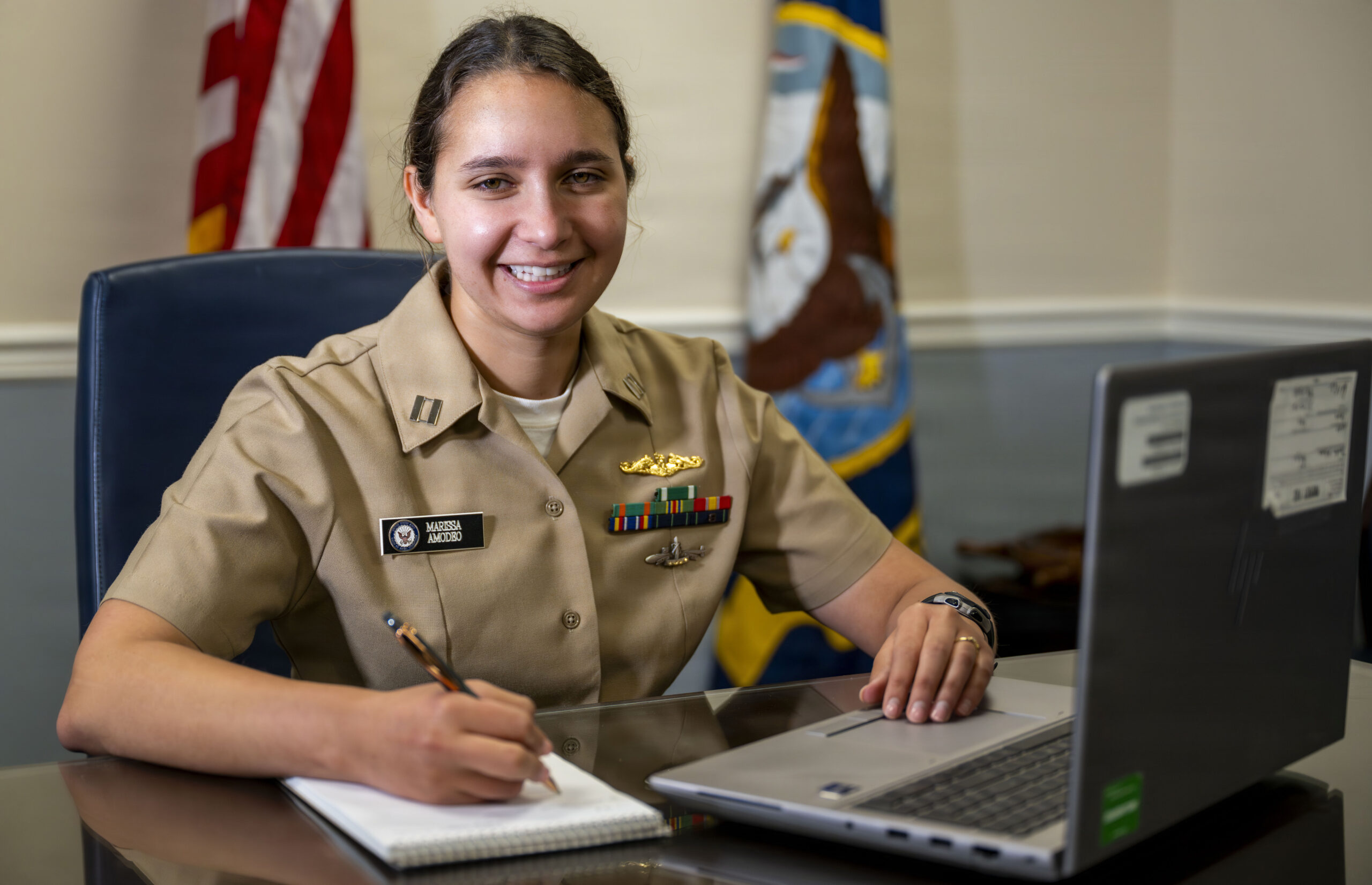
If you go to college first, you have two main commission paths: NROTC (Naval Reserve Officers Training Corps) and OCS. NROTC is like a scholarship program—you attend a civilian or military college, take naval science classes, do summer training, and commission as an ensign upon graduation. It’s competitive but covers tuition and fees. OCS, on the other hand, is for those who already have a degree—you apply, get selected, and then go through a demanding 13-week officer training program at Officer Training Command Newport. I went the NROTC route, but many of my shipmates in the cryptologic community came from OCS. Both produce fine officers.
The biggest advantage of college first is that you start as an officer (O-1) with a bachelor’s degree, which puts you on a higher paygrade and leadership track from day one. You’ll also have more responsibility and a broader perspective. But it requires discipline: you need to keep your grades up, pass the physical fitness test, and commit to a service obligation. The scuttlebutt (rumor) is that OCS is harder than boot camp in some ways because it’s designed to weed out those who aren’t ready to lead.
Long-Term Career Implications: Pay, Responsibility, and Advancement
Let’s talk numbers. As of 2024, an enlisted sailor with less than two years (E-1) makes about $2,000/month basic pay, while an O-1 (ensign) with the same time makes around $3,600. Plus officers get housing and subsistence allowances. Over a 20-year career, that difference adds up to hundreds of thousands of dollars. But money isn’t everything. An enlisted sailor in a technical rating like CT (Cryptologic Technician) can become an expert operator and earn top-secret clearances, setting them up for great civilian jobs. A shipmate of mine in the cryptologic community enlisted at 18, became an E-6 (Petty Officer First Class) in six years, then got a degree on the Navy’s dime and later commissioned via OCS. That’s a hybrid path, but it takes longer.
As an officer, you’ll be expected to lead from the start. By the time I made Lieutenant (O-3), I was responsible for a division of 20 sailors and a multi-million dollar system. That leadership experience is invaluable, but it’s also stressful. If you’re not ready to make hard decisions and take ownership of your people’s welfare, the officer path can be a struggle. The enlisted path gives you time to mature, learn a trade, and decide if you want to lead later.

Making Your Decision: Factors to Consider
- Financial situation: Can you afford college without the military paying? If not, enlisting with tuition assistance or a GI Bill could be a smart start.
- Maturity: The officer path requires immediate leadership. Some 22-year-olds are ready; some aren’t. There’s no shame in enlisting to gain life experience first.
- Career goals: Want to be a pilot, SEAL, or specialized officer? Those typically require a degree and commission. Want to work in a technical field like electronics or nuclear power? Enlistment can get you there faster.
- ASVAB scores: Your Armed Services Vocational Aptitude Battery score determines eligibility for many enlisted jobs. High scores open up more technical ratings.
- Time commitment: Traditional enlisted contracts are 4–6 years; officer commitments are usually 4–5 years after commissioning (plus college time if you do NROTC).
I’ve seen people become successful in both routes. A fellow 1810 (Cryptologic Warfare Officer) I served with started as a CT, earned his degree while on active duty, and then went to OCS at 27. He was a better officer because he knew the enlisted side. Conversely, another officer who came straight from college struggled until a senior chief took him under his wing. The enlist vs officer path isn’t just about the destination—it’s about the journey and who you become along the way.
Final Thoughts
Whichever route you choose, commit fully. If you enlist, be the best sailor you can be—study for advancement exams, learn your rating, and volunteer for extra duties. If you go the officer route, embrace the leadership challenge, study the gouge (insider tips) for OCS, and take care of your future sailors. Both paths serve the Navy, but the enlist vs officer path decision will shape your entire career. Talk to a recruiter, talk to veterans, and most importantly, look in the mirror. What kind of person are you today, and what kind do you want to be in ten years? That’s your answer.
This post is part of Applying to Navy OCS — the full path from eligibility through the board, in reading order.