Last updated: September 4, 2026
At Navy Officer Candidate School (OCS), one of the most anticipated moments of training is the Candio box — a care package candidates receive from loved ones during the final phase. It is a long-standing OCS tradition, and families can send just about anything. Below I will explain what a Candio box is, what to put in it, and how to mail it so it arrives on the right day.
What is a Candio box?
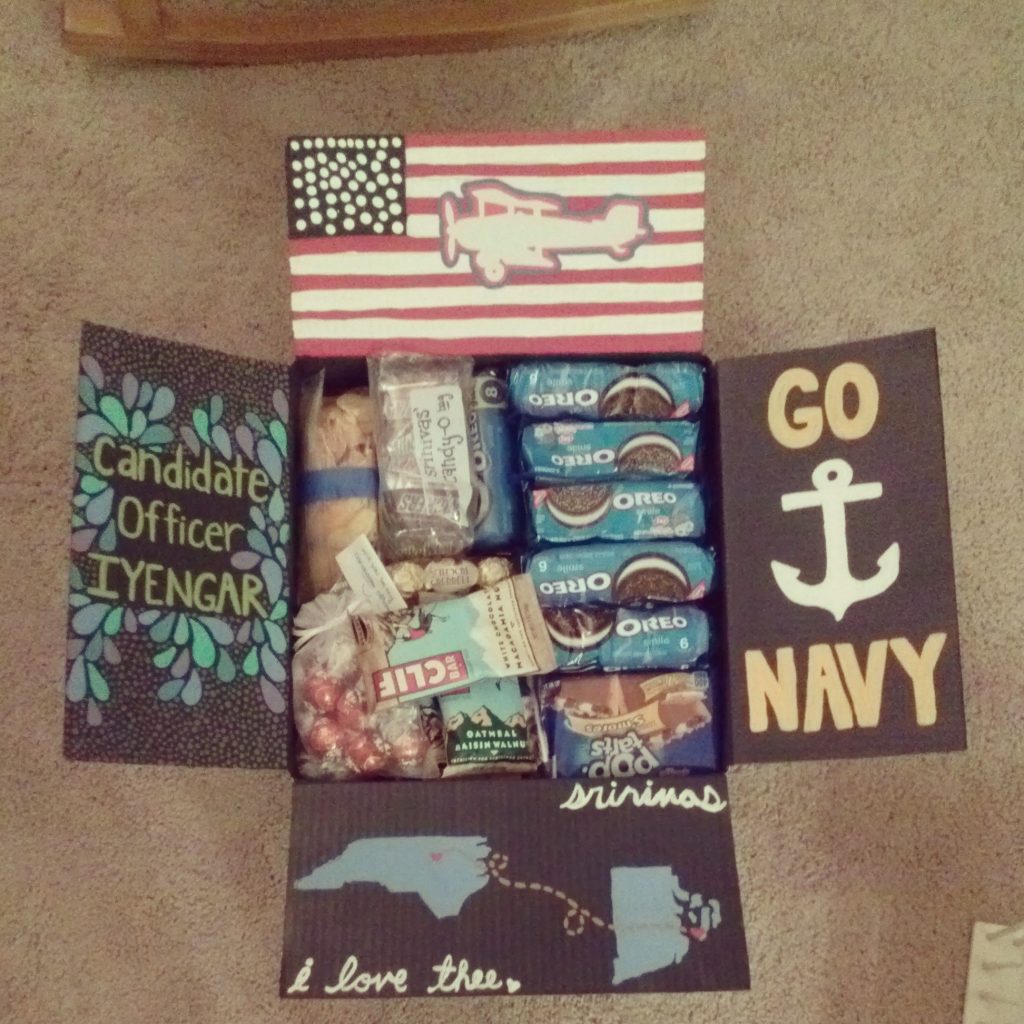
In the lead-up to graduation from Officer Candidate School and the transition into the “candidate officer” role, friends and family gift candidates “Candio boxes” filled with treats to help them through the final few weeks of training. Opening these boxes is a highly anticipated tradition, and it happens during Week 9.
The boxes are often decorated on the inside, usually with a U.S. Navy motif, and packed with the candidate’s favorite goodies — including things they wanted but were not allowed to have during training. Keep in mind that in the newer Nimitz facility, candidates do not have access to microwaves, refrigerators, or coffeemakers.
Alcohol, tobacco, pornographic material, gambling paraphernalia, prescription drugs, firearms, and live animals are all CONTRABAND, and possessing them can get a candidate dropped — so never send any of these. It may seem obvious, but I once watched someone send their candidate a cigarette as a joke, and it landed him on probation.
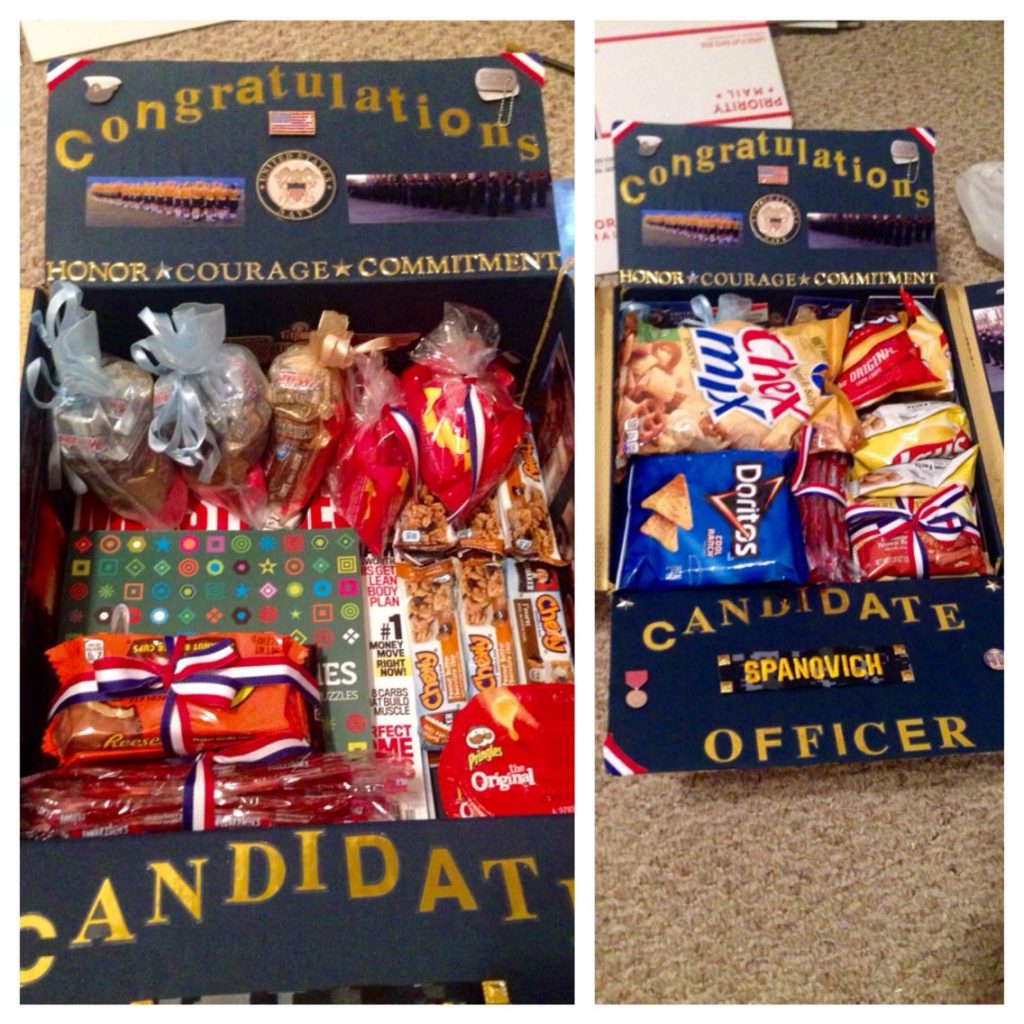
What can you send? (Candio box ideas)
A few of the items below link to Amazon (paid links) — if you buy through one, I earn a small commission at no extra cost to you. It does not change what I recommend.
Plenty of options from Trader Joe’s work well: jerky, candy, dried fruit, biscuits, almonds, facial wipes, dry shampoo, and sunscreen. Warm socks and hygiene items (deodorant, toothpaste, a toothbrush — candidates often cannot get to the NEX for these), HotHands hand warmers for the cold weather, and gel insoles for PT shoes and boots are all appreciated.
Do NOT send homemade items. Candidates share their treats, and you cannot guarantee that no one has an allergy — do not risk someone’s health or career at this stage.
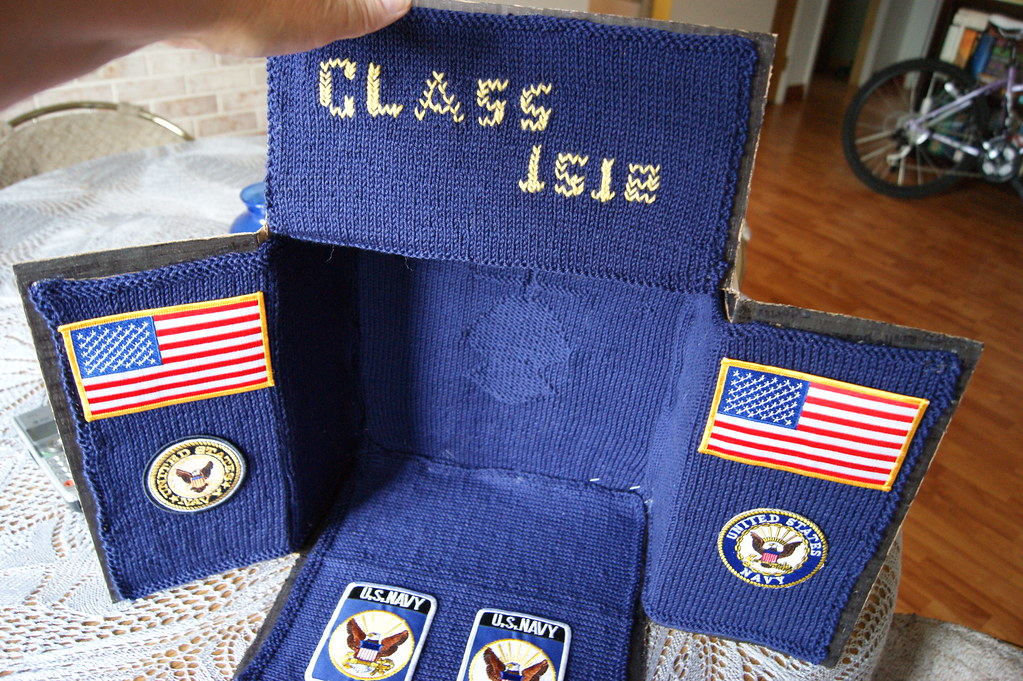
How do you mail a Candio box?
I recommend mailing your package in the middle of Week 8, or a little later depending on your location — you want it to arrive on Tuesday, or the day before. If it arrives on Wednesday, it likely will not be opened on “Candio box day.” Use the standard mailing address and write “CANDIO BOX” in large, clear letters on both sides of the box. That keeps it from reaching your candidate too early or too late; depending on the class team, some boxes are not delivered until Thursday or Friday.
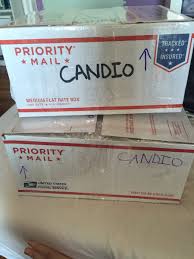
Any size box works, but USPS Large Flat Rate boxes are popular because they are usually the cheapest option for the weight involved. They are free to pick up at any USPS location and cost about $16 to mail, with a small discount if you buy and print postage at home. Do not require a signature on delivery. There is usually no limit on how many boxes a candidate can receive, but their storage space is very limited — and there is only so much they can eat! Sadly, there are always candidates whose family and friends are unaware of the tradition, so they do not receive a box.
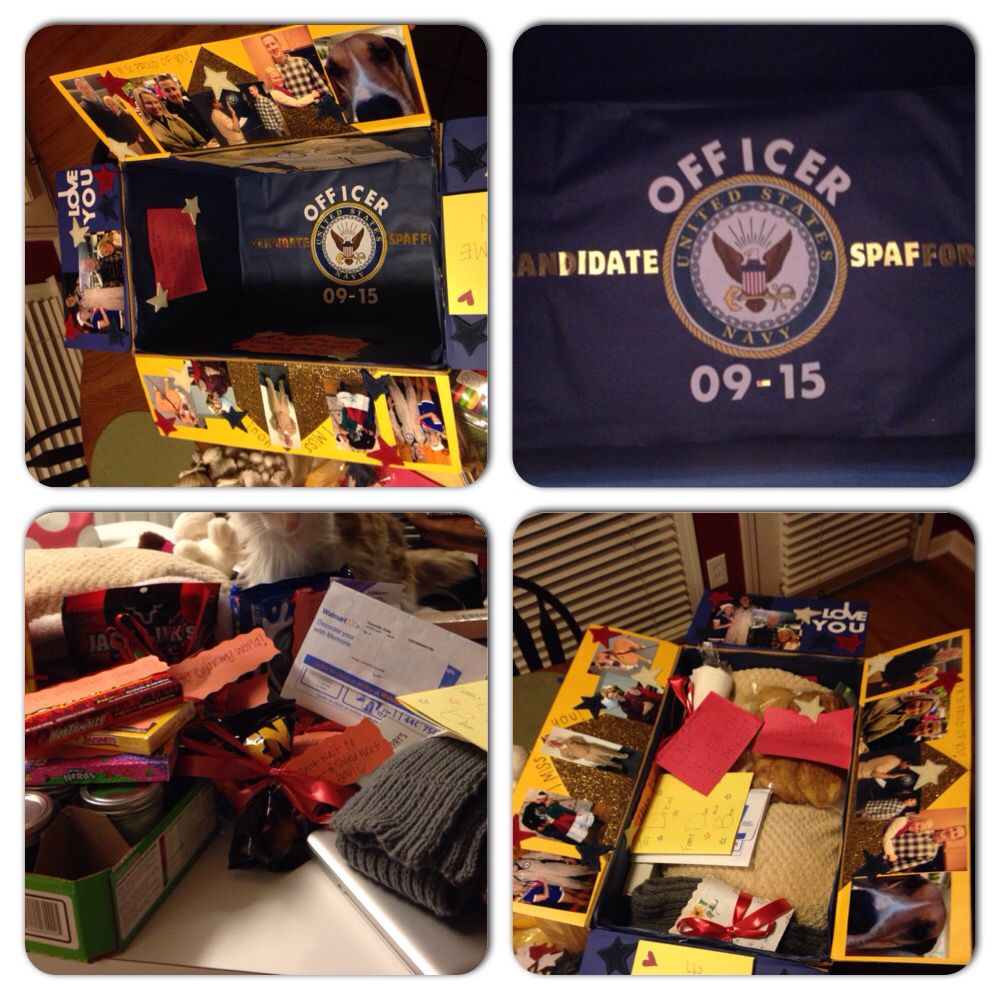
For families: what is allowed, and what is contraband
Most of the questions I get about Candio boxes come from parents and spouses rather than from candidates. My own mother sent a box of homemade cookies that I never saw until after graduation — the rules were strict even back then. Every box is opened and inspected, so the safest assumption is that anything questionable will be pulled. Rules are set by the class command and do change between classes, so confirm with your candidate or their class instructions before you seal the box.
- Generally allowed: travel-sized toiletries (shampoo, conditioner, lotion), hydrating face masks, stationery and stamps, pre-addressed envelopes, personal notes and photos without frames, keychains, morale pins and unit patches, small books or devotionals, and non-perishable snacks in unopened factory packaging.
- Usually contraband: perishable food, homemade baked goods, gum, anything in opened packaging, electronics including charging cables, civilian clothing, stuffed animals, alcohol, tobacco, drugs of any kind including CBD and THC products, knives and tools, and anything that reads as a distraction or a safety hazard.
- What happens to contraband: it is removed during inspection and either returned to sender or held until graduation. It is not worth the risk — an item that singles your candidate out in front of the class team costs them far more than the item is worth.
The single most useful thing you can put in the box is a stack of pre-addressed, stamped envelopes. Your candidate has very little time to write, and removing that step is often the difference between hearing from them and not. A shipmate of mine had his wife send hydrating face masks and hand warmers — Newport winters are brutal, and both were a hit.
When will you hear from your candidate?
The first phone call usually comes near the end of Week 3, after the initial academic and physical evaluations. In my class we called home from a payphone in the dog box (the holding space) and had maybe five minutes. Mine was a blur — I think I said “I’m alive, send stationery,” and that was most of it. Letters can arrive earlier; plenty of candidates write during the first week, though time is extremely limited.
If you do not hear anything for two or three weeks, that is normal and it is not a bad sign. The silence means they are busy becoming an officer. Communication opens up considerably in the back half of training.
This post is part of my full Navy OCS Journey series — follow it week by week from the start.