Last updated: August 16, 2026
Deployment Mental Health Support: When Your Sailor Won’t Reach Out
I know the gut‑twisting worry when a loved one is hurting and you can’t be there. My own deployment off the coast of Bahrain taught me how tough the operational environment can be on a person’s head and body. If your sailor is deployed, injured, and struggling with suicidal thoughts, yet refuses standard resources and his light duty chit (a written order limiting physical activity) is being ignored, you need a clear path forward. This guide lays out the real steps for deployment mental health support, from chaplain to command, so you can advocate effectively without burning bridges.

Why Deployment Mental Health Care Gets Complicated
On a ship or in a remote location, medical options are limited. The corpsman (enlisted medical specialist) or IDC (Independent Duty Corpsman – a senior corpsman with more training) handles day‑to‑day care. They can issue a light duty chit, but if a sailor’s immediate supervisor ignores it, the sailor feels trapped. Add a serious injury—like a back injury that keeps him in pain—and the mental load doubles. I’ve seen otherwise strong shipmates shut down because they feared being seen as weak or a burden.
The key is to remember that refusing help often stems from fear of career impact or stigma. Your role as a family member is not to diagnose, but to be a bridge to the people who can.
First Stop: The Chaplain – Confidential and Non‑Medical
If your sailor won’t talk to a medical provider or his chain of command, the chaplain is the safest first step. Chaplains offer 100% confidential communication—they cannot disclose anything without permission, unless there is an immediate threat of harm. This is huge. Your sailor can vent, cry, or talk about his suicidal thoughts without anything going into his official record.
One shipmate of mine in the cryptologic community was weeks into a deployment after a nasty fall down a ladderwell. He refused to see the IDC because he didn’t trust the record. A chaplain visit got him to open up, and from there the chaplain helped him talk to the command master chief in a way that preserved his dignity.
How you can help: Encourage your sailor to visit the chaplain. Frame it as “just talking,” not treatment. Even if he is not religious, Navy chaplains are trained counselors for all beliefs.
Escalating Through the Chain of Command – With Care
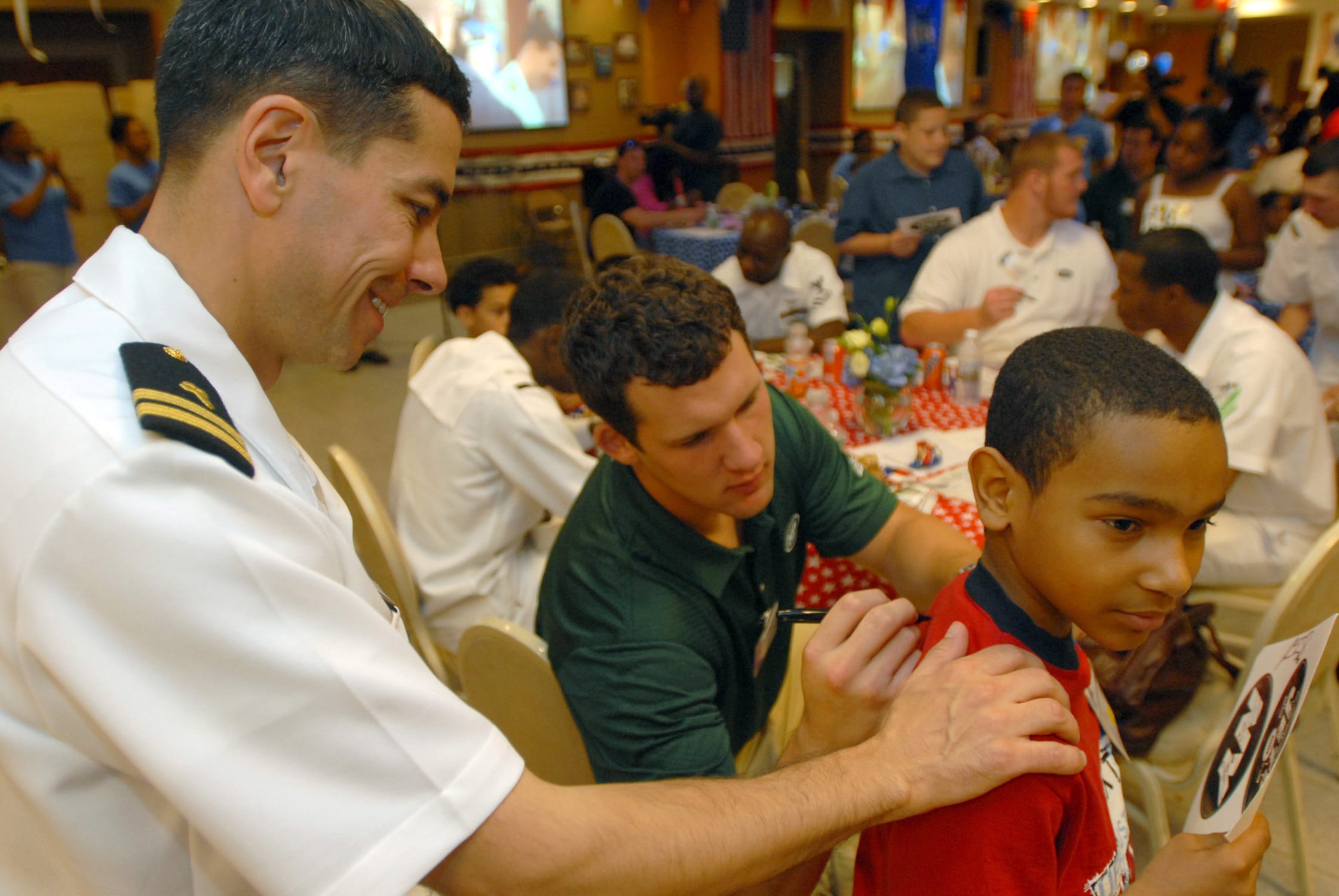
When a light duty chit is ignored, the chain of command must be informed. Your sailor may resist, but you can coach him (or you may need to call yourself if he’s in crisis). Start with the chief (E‑7) or division officer, then the OIC (Officer in Charge) or CMC (Command Master Chief – the senior enlisted advisor), and if needed the XO (Executive Officer) or CO (Commanding Officer). Each level should be aware that a medical restriction is being disregarded.
A note from experience: Railing against the command rarely works. Instead, say something like, “My husband has a back injury and the light duty chit isn’t being followed. He’s in pain and it’s affecting his mental health. Can you help ensure the chit is honored?” Keep it factual, not accusatory.
If the issue reaches the XO or CO, they will likely take it seriously. I recall a case where a command was ignoring a light duty chit for a sailor with a slipped disc—until the CO found out. The chit was enforced immediately, and the sailor got proper care.
Military OneSource – Give It Another Try
I know there are horror stories about Military OneSource (a free, confidential counseling service for service members and families). Your sailor may have tried it and hated it. But here’s the thing: you can request a different counselor. Sometimes the first provider isn’t a good fit, but the second or third can be a lifesaver.
Military OneSource offers up to 12 free sessions per issue, completely confidential (outside of your chain of command). They can also connect your sailor with a local provider even on deployment through secure video or phone. For a sailor who is isolated and hurting, this can be a lifeline.
Encourage your sailor to try again, but also check the website yourself. As a family member, you can call for guidance on how to support him (though they can’t reveal details about him without his consent).
How You Can Advocate Without Overstepping
As a family member, your most powerful tool is connection. You can’t force him to get help, but you can:
- Listen without judgment – let him know his feelings are valid.
- Remind him that his spouse support network (like the Navy Family Ombudsman or Fleet and Family Support Center) is there for you, which in turn helps him.
- If he mentions suicidal thoughts, take it seriously. Ask directly: “Are you thinking of hurting yourself?” If yes, stay on the line, call the Military Crisis Line (988, press 1), or contact his command duty officer.
- Document everything: dates, who he talked to, what was said. This can help when escalating.
Remember: You are not the medical provider. Your job is to keep the door open and the pressure low.
Don’t Forget Your Own Oxygen Mask
Caring for a deployed sailor in crisis takes a toll on you. Seek help for yourself through your own doctor, a counselor, or a spouse support group. When you’re stronger, you can help him better.
Ultimately, the most effective deployment mental health support often comes from a mix of chaplain, command, and outside resources. Your love and persistence can make all the difference. One of the proudest moments I had as an officer was seeing a sailor who hit rock bottom—thanks to a determined family member—finally get the treatment he needed. He served another nine years.
For more on the Navy journey from start to finish, check out our Navy OCS Journey hub.
If you or your sailor is in immediate danger, call 911 or the Military Crisis Line at 988 (press 1).