Last updated: August 15, 2026
Naval Aviation OCS: An Overview for the Ivy League Graduate
If you are an Ivy League graduate considering naval aviation ocs, you likely have questions about how it compares to the Naval Academy path. As a retired Navy officer who served alongside many aviators—and who went through OCS myself for the Cryptologic Warfare community—I can give you the straight gouge. This article covers the key differences in lifestyle, training, and career progression, plus what I’ve seen from countless shipmates who took both routes.
The short answer: OCS and the Naval Academy produce equally capable naval aviators. The Academy gives you a four-year immersion in military culture, while OCS is a concentrated 13-week (or so) boot camp for college graduates. Your Ivy League background will serve you well in the fast-paced academics of flight school, but OCS itself is a great equalizer—everyone starts on the same footing.
Naval Aviation OCS vs. Naval Academy: Key Differences
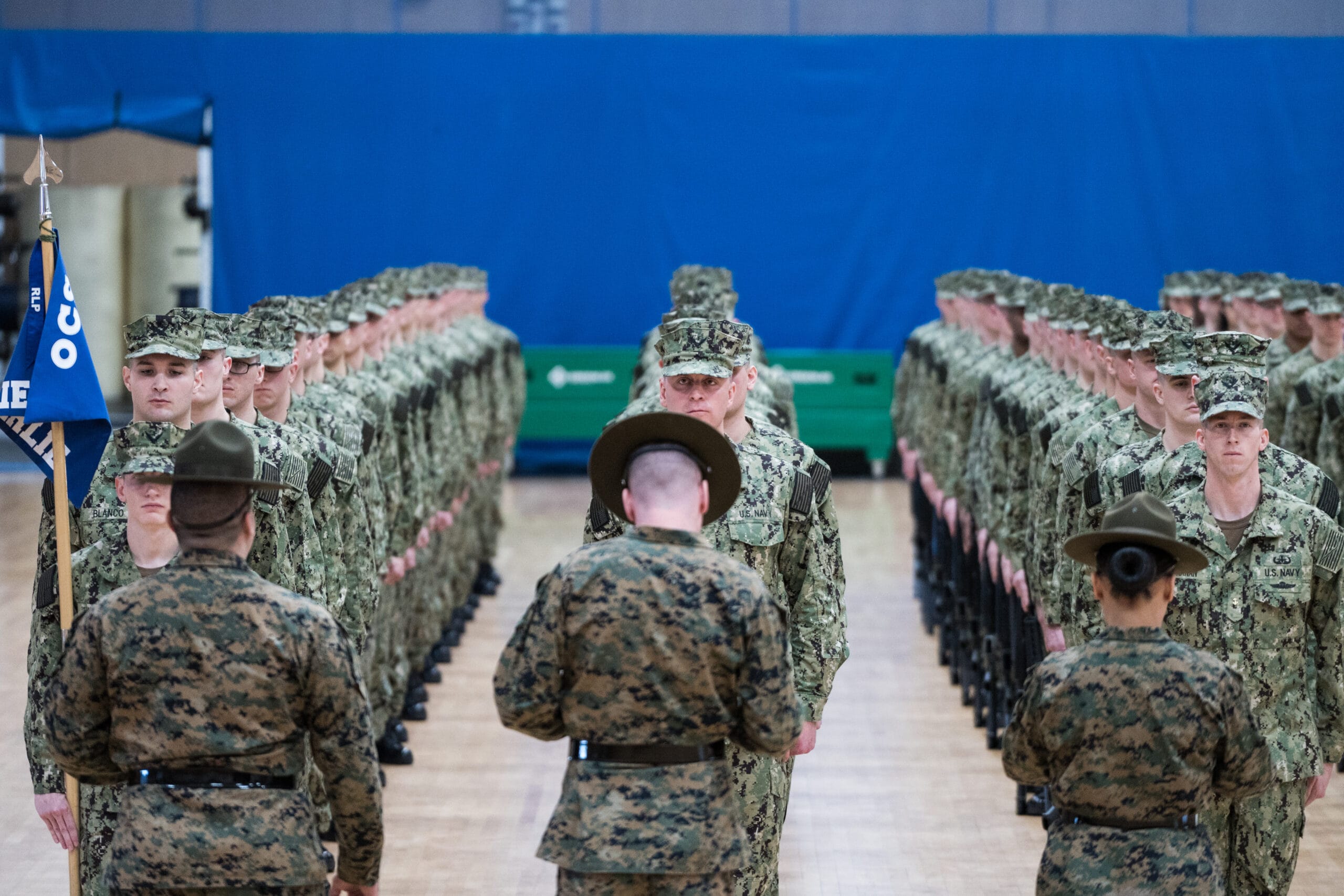
The most noticeable difference is the time of exposure to military life. Naval Academy midshipmen live under military discipline for four years, with summer cruises, leadership labs, and daily formations. OCS candidates cram that into a few months of intense training in Newport, Rhode Island. If you’re an Ivy Leaguer used to independent thinking, OCS might feel like a shock, but it’s designed to break you down and rebuild you as an officer in a short period.
Another difference: the network. The Academy has a powerful alumni network, but OCS also builds tight bonds among candidates who share the same crucible. I’ve seen both groups succeed in the aviation community—your performance in flight school matters far more than your commissioning source.
What to Expect at OCS: Lifestyle and Training
OCS is physically and mentally demanding. You’ll live in a “dog box” (small berthing space), stand watch, do PT (physical training) at 0530, and march everywhere. The best time to attend is summer or early fall to avoid Newport’s brutal winter weather—something I wish I had known. Winter OCS means more indoor training and less misery on the grinder.
Academically, you’ll study naval history, navigation, leadership, and military law. For a future naval aviator, the most relevant class is probably the one on aerodynamics, but you’ll get that in depth at flight school. OCS is about becoming an officer first, a pilot second. The instructors are often prior-enlisted or senior officers who will “square you away” (get you organized). Don’t be afraid to ask questions—the gouge is your friend.
Flight School: No Prior Experience Needed
Here’s the best part: you don’t need any prior flight experience to become a naval aviator. The Navy trains you from the ground up (literally). My friend, an SNA (Student Naval Aviator), told me his class had a mix of guys with commercial licenses and people who had never set foot in a cockpit. The training pipeline is rigorous and expensive—flight school at NAS Pensacola and follow-on training can take 2-3 years—but the Navy is committed to making you a competent aviator.
If you’re selected as an SNA, you’ll fly the T-6 Texan II, then move to advanced trainers like the T-45 Goshawk for jets or the TH-57 for helicopters. SNFOs (Student Naval Flight Officers) have a different track. The washout rate is significant, but with an Ivy League education, you’re well-prepared for the academics. Stick with it, and you’ll earn your wings.
Career Progression and Commitment: The Long Haul
Once you wing, the commitment is long. Initial service obligations for naval aviators are often 10+ years after flight school. That means you’ll be in the Navy for about 12-14 years total after OCS. Many officers choose to leave after their initial commitment—I’ve seen roughly half to over half depart for civilian careers. But some stay because they love flying or want to command a squadron.
The decision to re-enlist is personal. Financial planning is key—start saving early, take advantage of TSP (Thrift Savings Plan), and talk to a career counselor. The Navy offers programs like the Post-9/11 GI Bill, which you can transfer to your kids if you serve long enough.
Life After the Navy: Transition Resources
Transitioning to civilian life is something every officer eventually faces. The Navy provides transition assistance programs, VA benefits, and career counseling. Many Ivy League graduates leverage their networks and advanced degrees to land roles in consulting, finance, or tech. Some even go back to school on the GI Bill.
I highly recommend building a relationship with the Navy OCS Journey community and other veterans’ groups while you’re still serving. The contacts you make—both in the Navy and out—will pay dividends when you take off your uniform.
Final Thoughts
Choosing naval aviation OCS as an Ivy League graduate is a bold move. You’ll face challenges, but you’ll also gain camaraderie, technical skills, and leadership experience that few careers can match. Stay humble, keep your chin up during the hard days, and remember: every naval aviator started as an officer candidate. You can do this.
This post is part of Navy Officer Designators and Career Paths — what each community is actually like, and what its board wants.