Last updated: September 4, 2026
OCS Preparation Resources: The Big Three
When I was getting ready for Officer Candidate School (OCS), I scoured every resource I could find for ocs preparation resources. The scuttlebutt (rumor mill) was full of advice, but three things stood out as absolutely critical: Appendix B, the OCSINST 15301, and a solid 6-week fitness plan. They won’t guarantee a perfect inspection score or a top PRT (Physical Readiness Test) result, but they will set you up to hit the ground running. Let me break each one down.
First, a quick note: these are supplemental resources. Your recruiter will give you the official gouge (insider info and study materials), and the Navy updates instructions from time to time. Always confirm the latest version with your recruiter or check the official Navy website. This is what worked for me and countless shipmates.
Appendix B: Your Inspection Bible
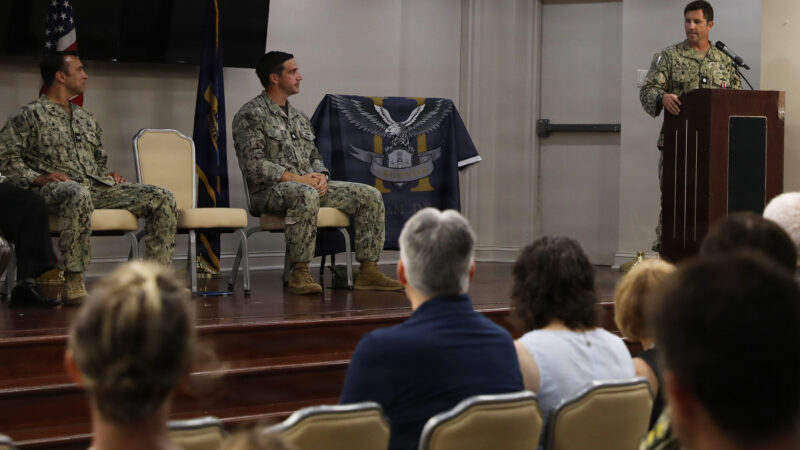
If there’s one document you want burned into your memory, it’s Appendix B of the OCS Instruction. This appendix covers every piece of knowledge you’ll need for room and locker inspections, personnel inspections, and even some leadership boards. It includes but is not limited to: the Navy core values, the general orders of a sentry, the chain of command (all the way up to the President), rank recognition, and the phonetic alphabet.
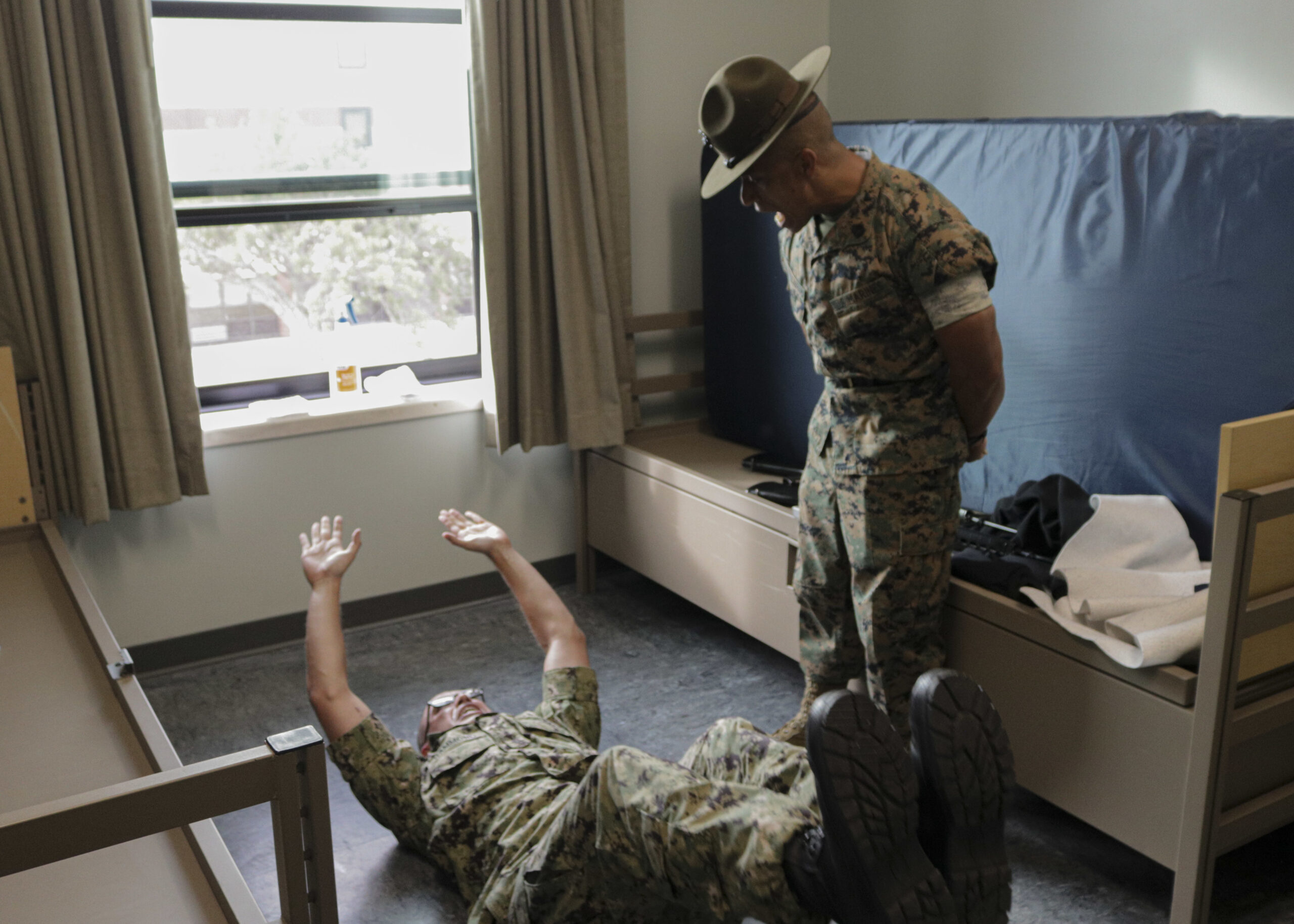
When I went through OCS, the candidates who had Appendix B memorized before they even got on the bus to Newport had a huge advantage. They spent the first week polishing their rack (bunk) instead of cramming acronyms. Create a set of flashcards or use a Quizlet set someone has already built for “Navy OCS Appendix B.” Quiz yourself during every spare moment. Trust me, your RDCs (Recruit Division Commanders, though at OCS they’re called Class Drill Instructors – CDIs) will expect perfection.
- Memorize the General Orders of a Sentry (all 11).
- Know the Navy’s Core Values: Honor, Courage, Commitment.
- Learn the phonetic alphabet (Alpha, Bravo, Charlie…) cold.
- Understand the chain of command from your class team to the President.
- Review uniform components and how to properly display rank insignia.
OCSINST 15301: The Official Playbook
The OCSINST 15301 (Officer Candidate School Instruction) is the governing document for the entire program. It covers everything from graduation requirements to disciplinary policies to how to properly salute. Many candidates overlook this, but it’s the single authoritative source when you need to settle a question about what’s allowed or what’s expected.
I suggest printing out a copy and reading it cover to cover before you report. Highlight sections about uniforms, liberty policies, and academic standards. You don’t need to memorize every paragraph, but familiarity will keep you out of trouble. For example, the instruction spells out exactly what personal items you can have in your dog box (small berthing locker). Knowing that upfront can save you from having to ship home contraband during the first week.
You can usually find the latest OCSINST 15301 on the Naval Service Training Command (NSTC) website or through your recruiter. Make sure you have the most current version — policies change.
For more on the overall OCS journey, check out the Navy OCS Journey hub on VeteranWiki.
6-Week Fitness Plan: Getting PRT-Ready
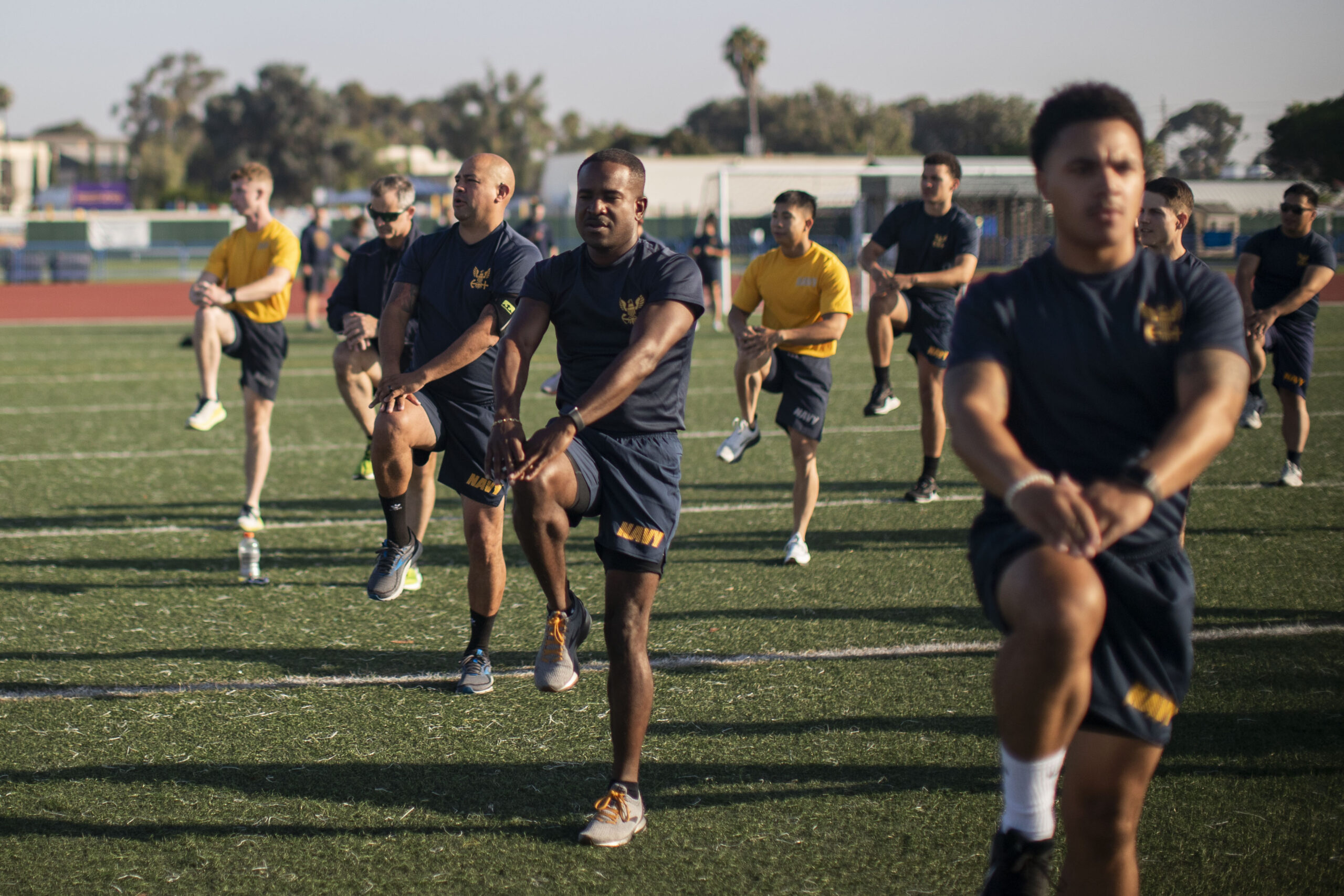
Physical fitness is non-negotiable at OCS. The Navy PRT (Physical Readiness Test) consists of push-ups, curl-ups (sit-ups), and a 1.5-mile run, plus a swim or alternative cardio event later in the program. I’ve seen too many candidates wash out because they couldn’t pass the initial fitness assessment. Don’t be that person.
Here’s a simple 6-week fitness plan that builds you up safely. It’s based on what I used and what my shipmates in the cryptologic community swore by. Adjust based on your current fitness level — if you can already pass the PRT, use this to improve your score and build endurance.
- Week 1-2: Establish a baseline. Run 3 times per week (1-2 miles), do push-ups and curl-ups every other day (3 sets of max reps), and add one day of swimming or rowing.
- Week 3-4: Increase volume. Run 4 times per week (2-3 miles), incorporate interval sprints once a week. Push-ups and curl-ups: 4 sets of max reps. Add planks and lunges for core strength.
- Week 5-6: Peak phase. Run 4-5 times per week, including a timed 1.5-mile run at goal pace. Do circuit workouts combining push-ups, curl-ups, burpees, and mountain climbers. Aim to meet or exceed the “Excellent” category on the Navy PRT chart for your age and gender.
Don’t forget to stretch and hydrate. Injuries at OCS can set you back weeks or even get you separated. Listen to your body and take rest days seriously.
Putting It All Together
These three OCS preparation resources — Appendix B, the OCSINST 15301, and a dedicated 6-week fitness plan — are the foundation of a successful OCS start. They’re not the only tools in your kit, but they’re the ones that matter most before you step onto the grinder (the asphalt drill area at Newport). Combine them with a positive attitude and a willingness to learn, and you’ll be well on your way to earning that commission.
One last thing that is not studying: once these three are handled, the remaining job before you ship is packing, and it is easier to get wrong than it looks. My Navy OCS packing list covers what the Navy issues you (so you do not buy it twice), what actually earns its space in a footlocker, and what will be confiscated at the first shakedown.
Fair winds and following seas, shipmate. Study hard, train hard, and I’ll see you at the wardroom.
This post is part of My Navy OCS Journey — the whole twelve weeks, week by week.