
Last updated: August 16, 2026
NROTC Anxiety About Leaving Home: What Every Candidate Should Know
NROTC anxiety about leaving home is something nearly every candidate faces—and for good reason. You’re stepping away from family, friends, and the familiar to enter a world of military discipline, academic rigor, and new routines. I’ve seen it time and again in my years as a Navy officer, first as a midshipman and later as a mentor to aspiring officers. That knot in your stomach is not a sign you’re making a mistake; it’s a sign you’re about to grow. In this article, drawing from my own experience and that of countless NROTC alumni, I’ll share how to navigate those pre-NSI jitters and come out stronger on the other side.
Why NROTC Anxiety About Leaving Home is Normal
Every candidate I’ve ever met, whether going through NROTC, the Naval Academy, or Officer Candidate School, has felt some version of this anxiety. When I was a young college student heading off to NSI (Naval Science Institute), I remember lying awake wondering if I had made the right choice. Leaving family and friends is tough—it’s supposed to be. It means you have strong connections, and that’s a good thing. The worry you feel is proof that you care about the people you’re leaving behind. But it’s also important to realize that those relationships don’t disappear. In fact, my own friendships deepened because I learned to appreciate them from a distance, and I made new ones that have lasted decades.
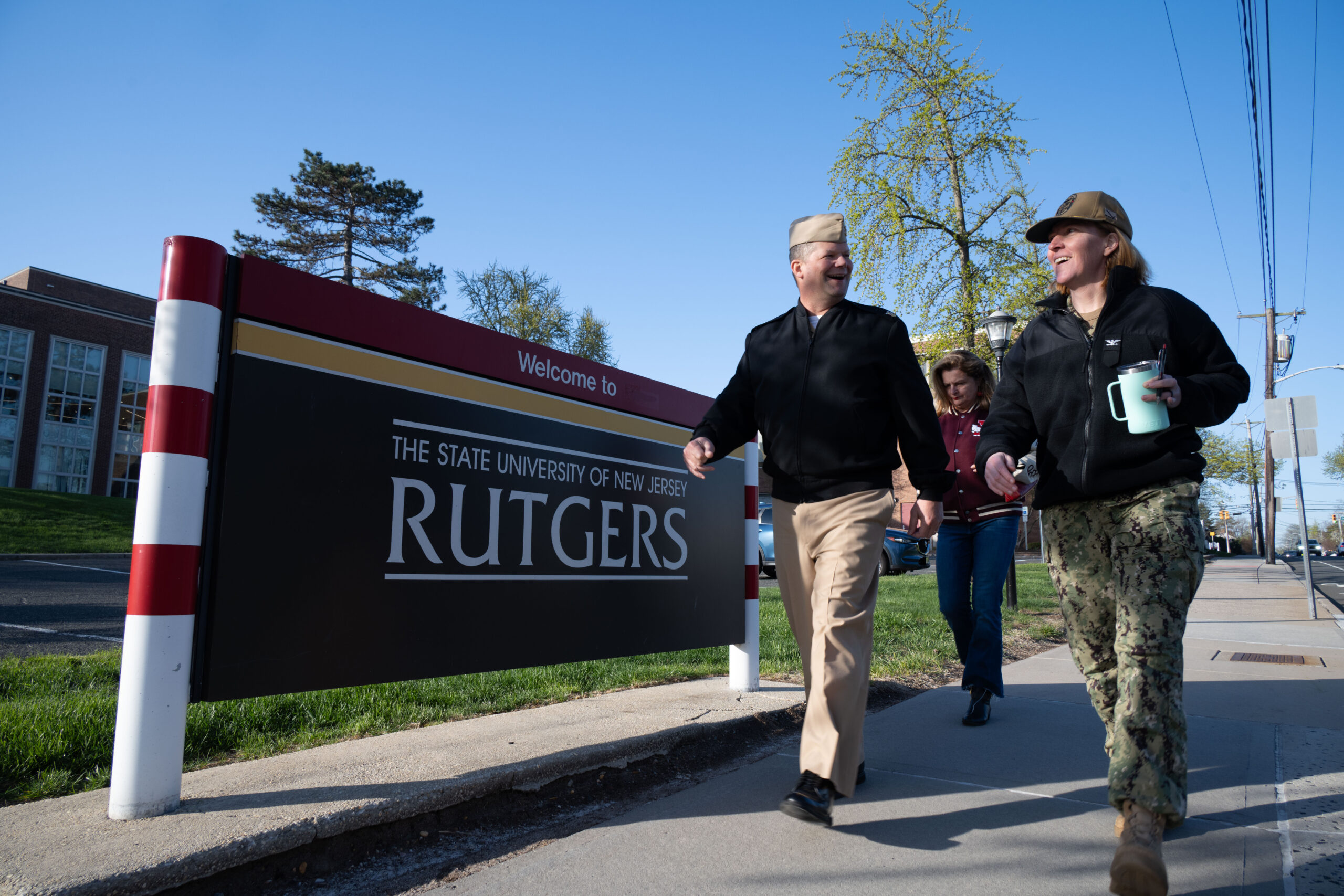
Overcoming Pre-NSI Jitters: One Day at a Time
When the anxiety feels overwhelming, the best advice I can give is to take it one day at a time. NSI is only a few weeks long—it’s a short, intense training program designed to get you ready for the NROTC scholarship and advanced training. You don’t need to figure out your entire military career on day one. Just focus on getting through that morning’s physical training (PT), learning the next drill movement, and making it to chow (meals) without getting lost. Before you know it, graduation day arrives and you’ll be looking back wondering where the time went. A shipmate of mine in the cryptologic community once told me, ‘The only way out is through,’ and that applies perfectly to training anxiety.
Building Lifetime Friendships at NROTC
One of the biggest fears candidates have is that they won’t make friends. But I can tell you from firsthand observation: NROTC creates some of the strongest bonds you’ll ever experience. You’ll be living, studying, and training with people who share your goals and values. The shared hardship of early morning PT, the teamwork in drilling, and the late-night study sessions forge friendships that outlast college. I still keep in touch with my NROTC classmates decades later. If you’re worried about leaving old friends, remember that real friendships survive distance. And you’ll gain a new tribe that understands what you’re going through.
Practical Tips to Manage Homesickness
- Stay connected: Schedule regular calls or video chats with family and friends, but keep them short so you stay focused on training.
- Write letters: There’s something therapeutic about putting pen to paper. A letter home can help you process emotions and feel closer to loved ones.
- Bring a small comfort item: A favorite photo, a stuffed animal, or a special memento can provide a sense of home in your rack (bunk).
- Get involved: Volunteer for extra duties or join a study group. Keeping busy distracts from anxiety and helps you bond.
- Talk to someone: Your NSI instructors and NROTC unit staff have seen hundreds of candidates go through this. Don’t be afraid to say, ‘I’m feeling homesick.’ They’ll have practical advice and reassurance.
Remember Why You Started
When doubt creeps in, go back to your motivation. Why did you apply for the NROTC scholarship? Was it to serve your country, to earn a college degree debt-free, to become a leader? Those reasons are still valid. The anxiety you feel now is just resistance to change. Every officer I know—including myself—had second thoughts at some point. But those who pushed through discovered that the discomfort was temporary, and the reward was a career full of purpose, adventure, and camaraderie. If you’re feeling nrotc anxiety about leaving home, you’re exactly where you need to be: on the edge of a life-changing journey.
For more guidance on your path to becoming a Navy officer, check out the Navy OCS Journey page. And if you’re still weighing options like STA-21 (Seaman to Admiral program) or ECP (Enlisted Commissioning Program), remember that the initial anxiety is universal—don’t let it derail your dream.
Final Thoughts from a Retired Officer
You’ve got this. The fact that you’re worried about leaving home shows you have a good heart. The military needs people with strong family ties and deep roots—it makes you better leaders. So pack your bags, say your goodbyes, and step onto that training ground. The friendships you’ll make, the skills you’ll learn, and the person you’ll become are worth every ounce of anxiety. Fair winds and following seas.
This post is part of Applying to Navy OCS — the full path from eligibility through the board, in reading order.