
Last updated: August 15, 2026
BAH for Spouses Separated: What You Need to Know
One of the most frequent questions I got from junior officers when I was a department head was how BAH for spouses separated works. It’s a common situation: you’re a married service member, but your spouse lives in a different city—maybe Manhattan, maybe somewhere with a high cost of living—while you’re stationed at a Navy base where housing is tight or expensive. The short answer: your Basic Allowance for Housing (BAH) is generally based on your dependent’s location, not your duty station. But there’s more to it, and a lot of folks get tripped up. Here’s the gouge (the insider knowledge) I picked up over the years.
How BAH Is Determined When You Live Apart
Let’s start with the basics. BAH is meant to cover the cost of housing for you and your dependents. If your spouse lives in a different ZIP code—say Manhattan while you’re in Norfolk—the Navy will typically base your BAH on the dependent’s location. That means the housing allowance is calculated using the rental data for Manhattan, which can be significantly higher than Norfolk. That sounds great on paper, but there’s a catch: you only receive one housing allowance, and you have to use it to cover your own housing near your duty station, too. So if Manhattan BAH is, say, $3,000 a month, and you need to rent a place near Norfolk for $1,500, the remaining $1,500 goes to your family—or you find a way to make it work for both locations.
The key is that your mileage on this varies. If you’re single or your spouse lives in a low-cost area, BAH at your duty station might be more beneficial. But for a married service member with a spouse in a high-cost area, having BAH based on the dependent’s location is usually the better option. You can request this by ensuring your spouse’s address is properly documented in your personnel record (NSIPS or the old paper form). Just be aware: if you later move your spouse to your duty station, your BAH will adjust to the new location.
The Geobachelor Experience: Living on the Ship or Renting a Room
A term you’ll hear a lot in the fleet is “geobachelor”—a service member who is married but lives apart from the family for assignment reasons. When I was a junior officer, I knew a few guys (and women) who were geobachelors. Their families stayed put—often because the spouse had a good job or the kids were settled in school—while the service member deployed or moved to an unaccompanied tour. Many of them lived on the ship or in the barracks (if available), or they rented a cheap room from a shipmate. I remember one cryptologic warfare officer I served with: his wife and kids lived in San Diego while he was in Norfolk. He lived on an LHD (a big amphibious ship) and only paid for parking and meals. It saved a ton of money, but he said the separation was rough.
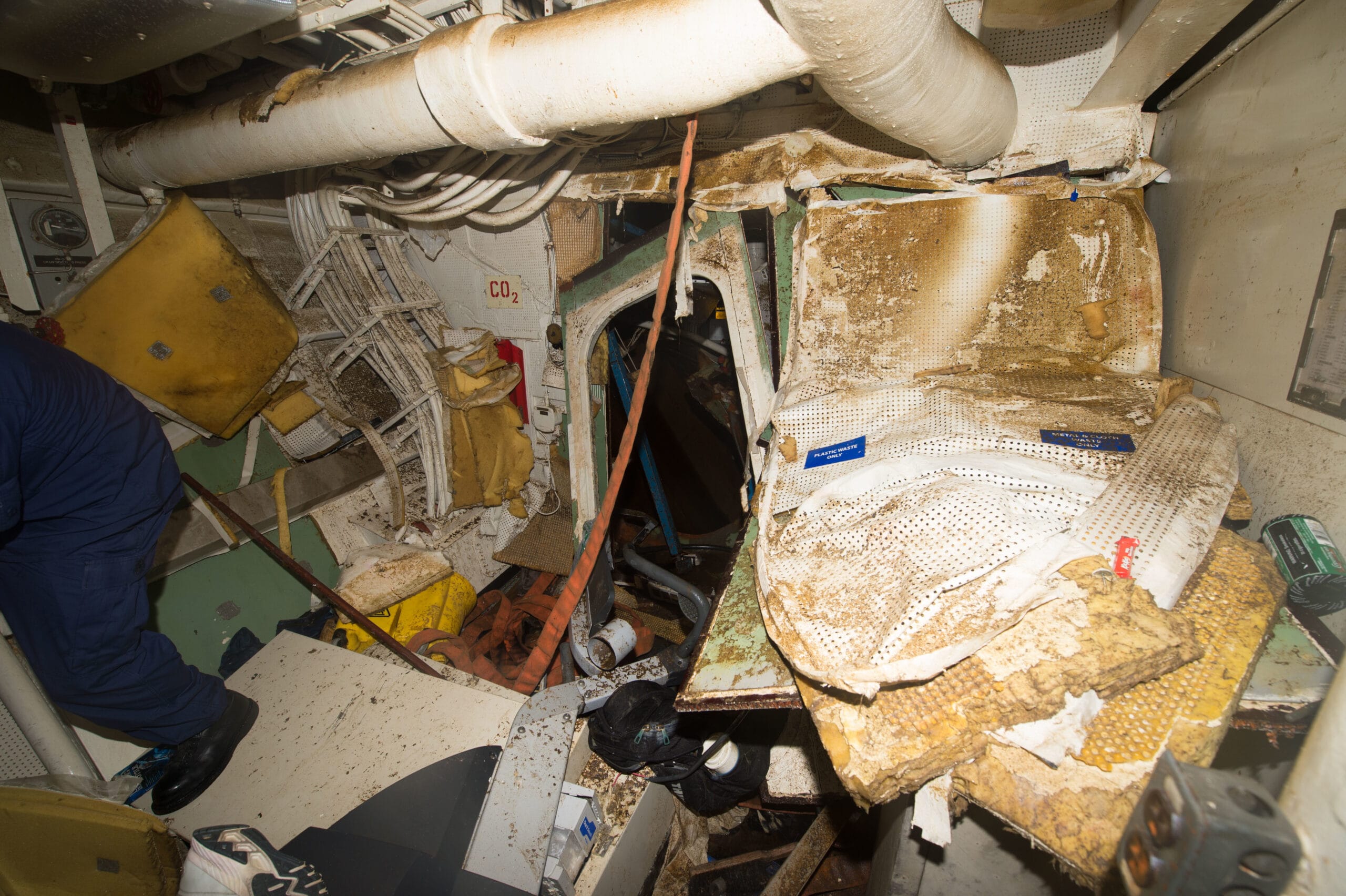
Living on the ship isn’t for everyone, but it’s a common option when you’re a geobachelor. You get a rack (bunk) and three meals a day, and you don’t have to worry about a lease. Some commands will authorize you to live on the ship if you’re TAD (temporary assigned duty) or if your spouse lives away. Other options include renting a room in a PPV (privatized venture) housing area or splitting an apartment with shipmates. Be careful: if you collect BAH based on Manhattan and you’re living on the ship rent-free, you’re pocketing the difference—that’s allowed, but it’s something to think about financially and ethically. The Navy expects you to maintain a suitable residence for your dependents, not necessarily for yourself.
Financial and Personal Challenges of Long-Term Separation
Let’s be real: living apart from your spouse for four-plus years is hard. The money side can work out—you might actually come out ahead if your dependent lives in a high-cost area—but emotionally, it’s a strain. I’ve seen marriages survive and thrive, and I’ve seen others crumble under the distance. My advice: have a plan for communication, budget for visits (flights, hotels), and make sure both of you are on board with the arrangement. Talk to your chain of command—they’ve seen it all. Also, check the latest Navy policy via a NAVADMIN (Navy Administrative Message) or your personnel office, because the rules for BAH and geobachelor status do change over time.

One thing that surprised me was how many junior Sailors didn’t realize they could request BAH based on their spouse’s location. They just assumed they had to live in base housing or take whatever BAH came with the duty station. That’s not true. If your spouse lives in a different location, you can—and should—ensure your BAH reflects their needs. Document their address in your personnel record, and if you have orders that are “unaccompanied” (meaning the Navy doesn’t move your family), you might also be eligible for FSA (Family Separation Allowance)—an extra stipend for involuntary separation. That’s a separate topic, but worth asking about.
Requesting BAH for Your Dependent’s Location
To get BAH based on your spouse’s location, you need to update your record. When I was in, we did it with a NAVPERS 1070/602 (a dependency application). Today it’s done electronically through MyNavy Portal. Make sure your spouse’s address is listed as the dependent’s residence. If you’re going through a permanent change of station (PCS), tell your detailer and the PSD (Personnel Support Detachment) that your family will not be relocating. Then, they’ll set your BAH to the dependent’s ZIP code. Keep in mind that if you later move your family to your duty station, you must update your record again or you could be audited for overpayment.
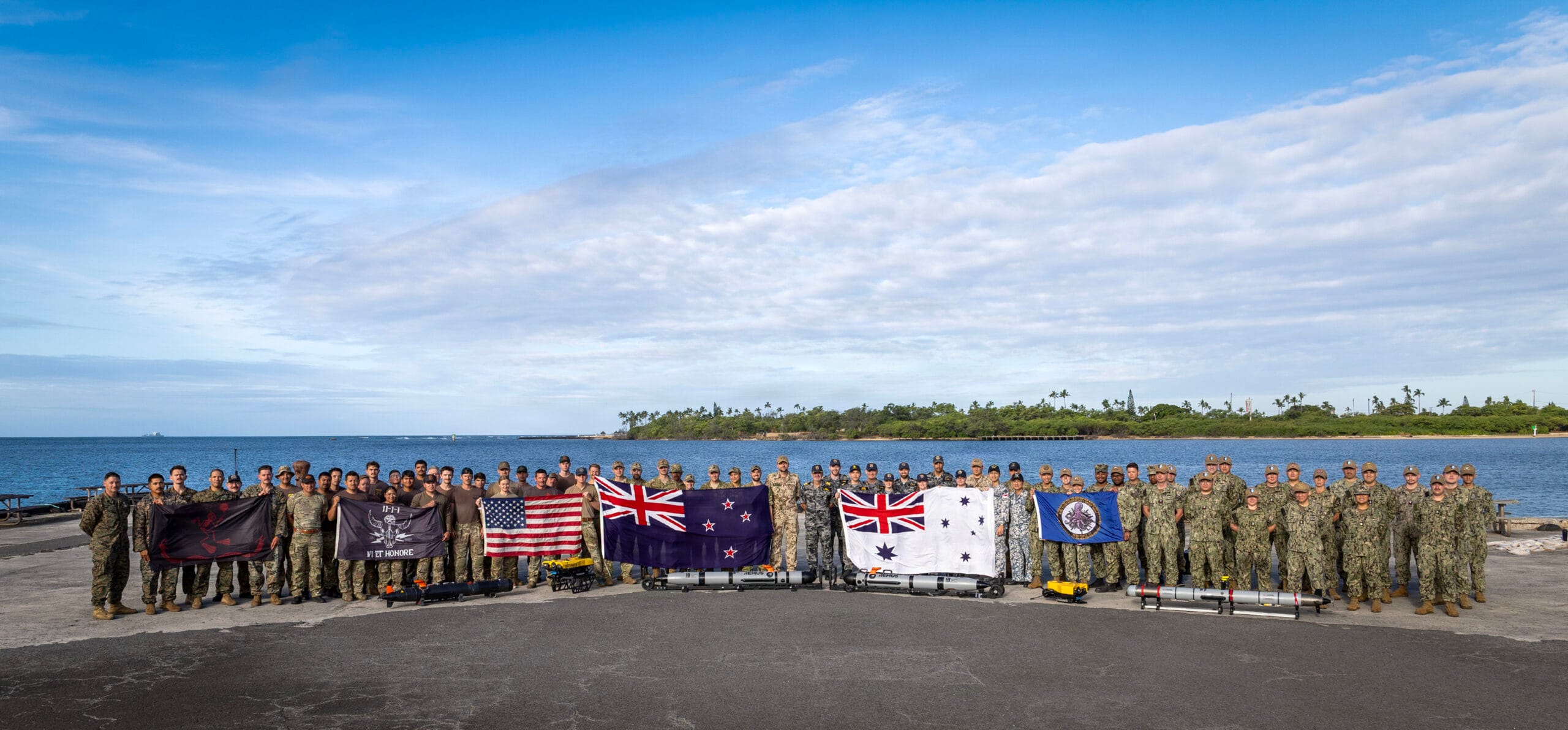
One real-world example: a shipmate of mine in the cryptologic community was stationed at Fort Meade, Maryland, but his wife stayed in Houston, Texas, because she was finishing medical school. He requested BAH based on her Houston address. The BAH rate for Houston was actually lower than for the DC area, so he ended up paying out of pocket for his own rent near Meade. It was tight, but they made it work for two years. The lesson: always check the BAH rates for both locations before making a decision. You can find them at the Defense Travel Management Office website.
If you’re just starting your Navy journey, you’ll learn a lot about housing and allowances during Navy OCS Journey. That process can feel overwhelming, but understanding BAH early will save you headaches later.
Final Thoughts
Living apart from your spouse is never easy, but the Navy’s housing allowance system is designed to support your family where they are. The key is knowing how BAH for spouses separated works and making sure your record reflects your situation. Talk to your chain of command, use the official resources, and plan your finances carefully. Whether you’re a new officer candidate or a seasoned senior chief, the same rules apply. You’ve got this—it’s just another part of the journey.
This post is part of PCS Money and Allowances — what each allowance covers, and where the gaps between them are.